Ethiopian Spiced Chicken Stew
A fiery Ethiopian stew of chicken thighs simmered in a complex blend of spices, onions, and berbere. This aromatic braise delivers deep, warming heat balanced with rich, savory depth.
- Total time
- 50 min
- Servings
- 4
- Calories
- 485
- Protein
- 52g
Ingredients
11 items — tap to check off
Missing one? Custrd suggests a swap that works.
Open the appInstructions
Step 1
Cut 2 lbs boneless skinless chicken thighs into 2-inch pieces — thighs hold their moisture better than breasts when braised. Pat each piece dry with paper towels; removing surface moisture helps them caramelize rather than steam.
Step 2
Peel and finely dice all 3 large yellow onions into 1/4-inch pieces, keeping them uniform. This size matters because onions cook down into the sauce and create a silky base.
Step 3
Peel and mince 4 garlic cloves on a cutting board until fine, then grate a 1-inch knob of fresh ginger on a microplane. Set both aside on a small plate.
Step 4
Set a large Dutch oven or 5-quart heavy-bottomed pot over medium-high heat. Pour in 4 tablespoons of extra-virgin olive oil and let it preheat for 1 minute until it shimmers and moves freely across the bottom.
Step 5
Working in two batches to avoid crowding, lay the chicken pieces in the hot oil in a single layer. Let each batch sear undisturbed for 3-4 minutes until the bottoms turn golden-brown, then flip and sear the other side for 2-3 minutes. You want color, not full cook-through. Transfer the seared chicken to a clean plate.
Step 6
Add the diced onions to the same pot (do not empty it — the browned bits on the bottom are liquid gold). Turn the heat down to medium and stir constantly. The onions will release their moisture and stick slightly at first, then gradually release liquid. Cook for 8-10 minutes, stirring every minute or so, until the onions soften completely and begin to turn translucent at the edges. If they stick aggressively, add a splash of water — the goal is softened onions, not charred ones.
Step 7
Add the minced garlic and ginger and stir constantly for 30 seconds — you'll smell an intense, fragrant aroma as they bloom. This rapid cooking prevents them from burning.
Step 8
Reduce heat to medium-low and sprinkle 3 tablespoons of berbere spice blend directly into the pot. Stir constantly for 1-2 minutes, coating the onion mixture completely with the spice. Berbere is potent; you want it to toast lightly and release its oils, not scorch. You should smell toasted chiles and spices.
Step 9
Add 2 tablespoons of tomato paste and stir vigorously for 1 minute, coating everything evenly. The paste will darken slightly as it caramelizes against the hot pot bottom.
Step 10
Pour in 1 cup of low-sodium chicken stock, scraping the bottom of the pot with a wooden spoon to dissolve all the stuck-on spiced onion layer. This deglazing step is where the sauce's deepest flavor lives.
Step 11
Return the seared chicken and any accumulated juices to the pot, nestling the pieces beneath the sauce. Stir gently to combine. The sauce should barely cover the chicken — if it doesn't, add another 1/4 cup of stock.
Step 12
Season with 1 teaspoon of kosher salt and 0.5 teaspoon of black pepper. Stir once to incorporate. Increase heat to medium-high and bring the sauce to a gentle simmer — you'll see small bubbles breaking the surface. Then immediately reduce heat to medium-low so it barely simmers.
Step 13
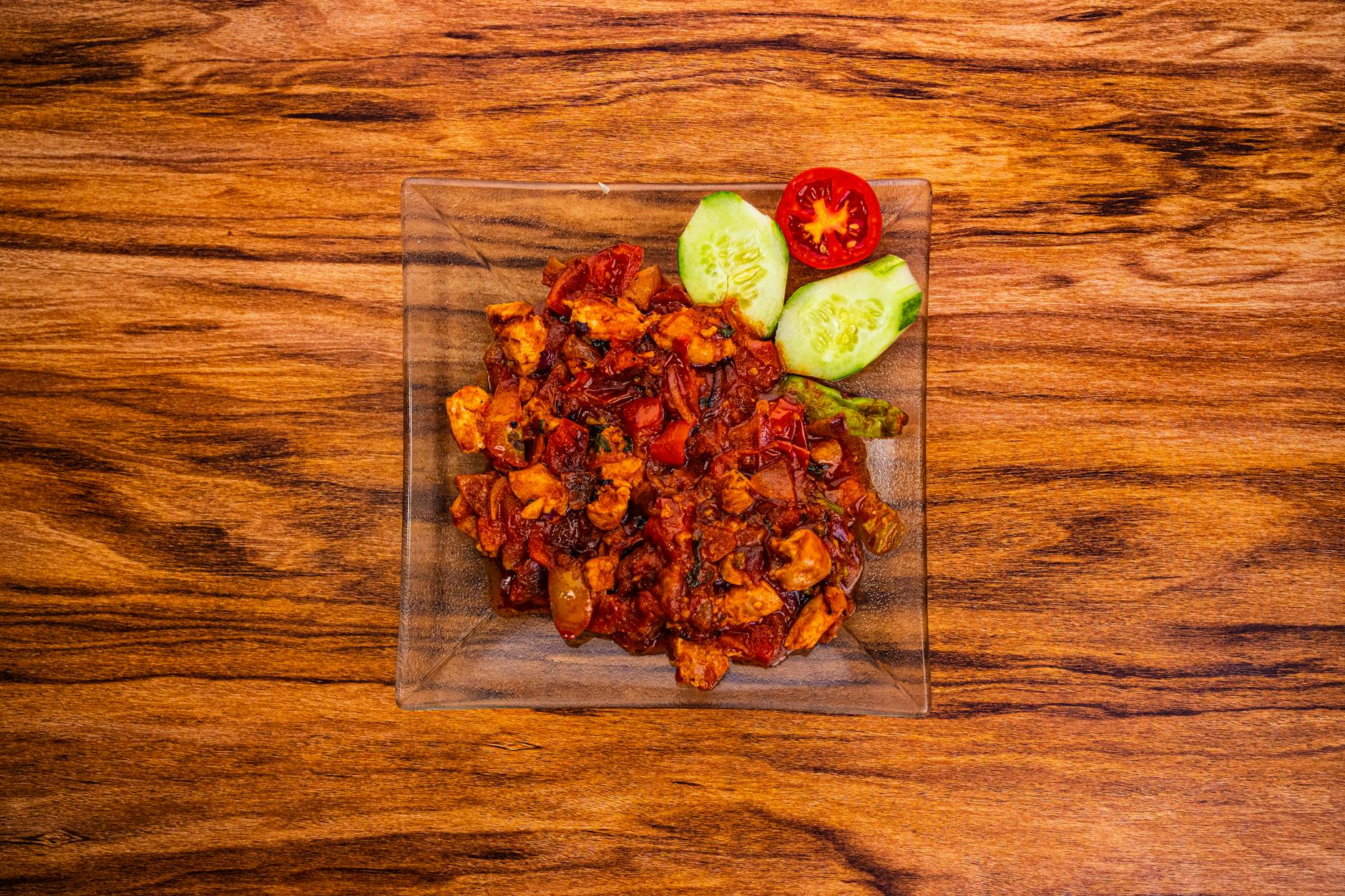
Partially cover the pot with the lid left slightly ajar and simmer gently for 25-30 minutes, stirring every 8-10 minutes. The chicken is done when a fork pierces the thickest piece with no resistance and the sauce has reduced to about 1.5 cups. The sauce should coat the back of a spoon and be rich, brick-red-brown, and glossy.
Step 14
While the stew finishes cooking, warm the 4 pieces of fresh Ethiopian injera bread gently in a dry skillet over medium heat for about 1 minute per side, just until pliable and warm. This prevents them from drying out on the plate.
Step 15
Line a large serving platter with the warm injera, overlapping the pieces slightly like roof shingles. They'll act as both plate and utensil — you'll tear off pieces and use them to scoop the stew.
Step 16
Taste the doro wat and adjust seasoning — add more salt if needed. The flavors should hit you as layered and complex: warm spice from the berbere, aromatic depth from the ginger and garlic, and savory richness from the chicken stock. Spoon the entire stew and sauce over the injera, mounding it in the center and letting the rich, glossy sauce pool across the bread.
Step 17
Serve immediately while the injera is still warm and the sauce is glossy. Tear off pieces of injera, dip into the stew, and eat with your hands — this is the traditional and most joyful way to enjoy doro wat.
Tools you’ll need
- large Dutch oven or 5-quart heavy-bottomed pot with lid
- cutting board
- chef's knife
- microplane grater
- small plate
- wooden spoon
- 12-inch skillet
- serving platter
Cook smarter
Get matched recipes for what’s in your fridge
Custrd is an iPhone and Android app that finds real recipes from the ingredients you already have. No more grocery-list aspirations. Try it free for 7 days.