How Long Do Leftovers Last in the Fridge? The Real Numbers, Food by Food
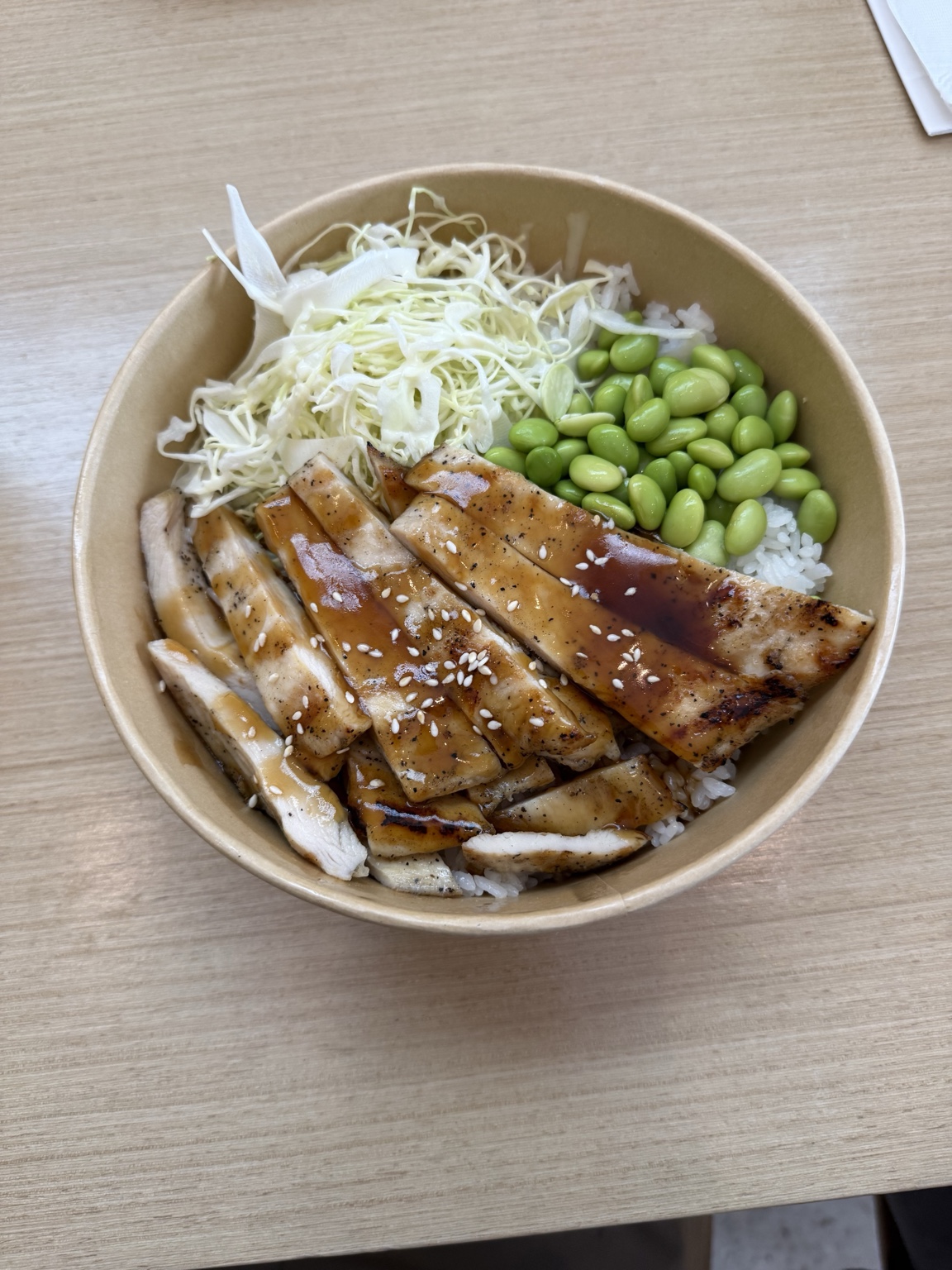
It's the container at the back of the middle shelf. The lid is slightly fogged. Inside is something that was a very good dinner at some point, possibly Sunday, possibly Saturday. You pop the lid, smell it, and it smells… fine? Like food. And now you're standing in front of an open fridge doing forensic math about which night you made the chili.
Most leftovers that get thrown out don't go bad. They go uncertain, and uncertain goes in the bin, because nobody wants to gamble a stomach on a guess. That's a completely reasonable call. It's also the most common way a fridge full of food turns into nothing to eat.
So here are the actual numbers, food by food, from the people whose job is to publish them: the USDA's Food Safety and Inspection Service and FoodSafety.gov's cold storage chart. Then the part that matters more than any chart: how to know which day you're on.
The short answer: 3 to 4 days
The USDA's rule for cooked leftovers is 3 to 4 days in the fridge, or 3 to 4 months in the freezerfor best quality. That covers the overwhelming majority of what's in your containers: last night's pasta, the rice, the stir-fry, the roast chicken, the curry.
Two conditions come attached, and they do most of the work:
- Your fridge is at 40°F (4°C) or below. Every number in this post assumes it. A fridge running a few degrees warm quietly shortens all of them, and you won't see it happen. A fridge thermometer costs a few dollars and settles the question.
- The food went in within 2 hours of cooking.One hour if it was sitting somewhere above 90°F. Bacteria grow fastest between 40°F and 140°F, and food that sat out on the stove all evening has already spent its safety margin before it ever saw the fridge.
Food by food
These are the refrigerator and freezer times from FoodSafety.gov's cold storage chart and the USDA's leftovers guidance. Freezer times are for quality: food kept frozen at 0°F stays safe indefinitely, it just gets drier and blander the longer it waits.
- Cooked meat or chicken (roast chicken, steak, pulled pork, meatballs): 3 to 4 days. Freezer: 2 to 6 months.
- Soups and stews, with or without meat: 3 to 4 days. Freezer: 2 to 3 months. Soup is one of the best freezer foods there is, so if day 3 arrives and you're sick of it, freeze it rather than forcing it.
- Pizza: 3 to 4 days. Freezer: 1 to 2 months.
- Chicken nuggets or patties, cooked: 3 to 4 days.
- Egg, chicken, tuna, ham and macaroni salads:3 to 4 days. These don't freeze well, so plan to finish them.
- Casseroles with eggs, and baked quiche: 3 to 4 days for the casserole, 3 to 5 for quiche. Both freeze for 2 to 3 months.
- Hard-boiled eggs:1 week. The rare leftover that genuinely lasts longer. Don't freeze them.
- Deli meat, opened or sliced at the counter: 3 to 5 days. Not technically leftovers, but it lives in the same drawer and goes on the same clock.
- Cooked rice, pasta, and cooked fish or shrimp:use the general leftovers rule, 3 to 4 days. Rice in particular deserves the fast-cooling treatment below: spread it out, don't leave a warm pot on the stove all evening.
Notice the pattern. Almost everything cooked lands on 3 to 4 days. You don't need to memorize a chart; you need to know what day something was made.
Restaurant and takeout leftovers
Same rule: 3 to 4 days. The catch is when the clock starts. The 2-hour limit on food sitting out began when the food left the restaurant kitchen, not when you got home. A long dinner, a slow walk back, a stop on the way — all of that counts. If the box rode around in a warm car for most of the evening, it's already used up much of its window.
Why the smell test doesn't settle it
This is the part that makes leftovers genuinely stressful, so it's worth saying plainly. The bacteria that make people sick usually don't change how food looks, smells, or tastes. The ones that make food smell sour and grow fuzz are mostly a different crowd. So a day-6 container that smells fine isn't proof of anything, and a day-2 container that smells a bit strong isn't necessarily dangerous either.
Your nose is still useful for quality — if it smells off, it goes. But for safety, the number that matters is the one you can't smell: how many days it's been. That's why the container with no date on it is the one that ends up in the bin.
Get more days out of every batch
Most of what extends a leftover's life happens in the first hour after dinner:
- Cool it fast, in shallow containers.A deep pot of chili takes hours to cool through the middle. Split big batches into shallow containers and they reach fridge temperature quickly. Hot food can go straight into the fridge; you don't need to wait for it to cool on the counter.
- Cut big things down. Slice a roast, pull a chicken apart. Smaller pieces cool faster.
- Seal it. Airtight containers keep bacteria out, keep moisture in, and stop your rice tasting faintly of onion.
- Freeze on day 1 or 2, not day 4.If you already know you won't eat it all, freeze half right away. The freezer pauses the clock; it doesn't reset it, so what goes in on day 3 comes out on day 3.
- Reheat to 165°F.Bring soups, sauces and gravies to a rolling boil. In the microwave, cover the dish, stir or rotate it halfway, and check a few spots — microwaves leave cold patches.
- Frozen leftovers can go straight to reheating.No need to thaw first; it just takes longer. If you do thaw in the fridge, you get another 3 to 4 days from the moment it's thawed.
Day 3 is a cooking day, not a deadline
The reason leftovers die isn't that nobody wanted them. It's that eating the same dinner a third time sounds grim, so the container gets skipped until it's too late. The fix is to stop reheating and start using leftovers as an ingredient:
- Cold cooked rice is the best thing that can happen to fried rice. Something like a 10-minute egg fried rice takes whatever bits of meat and vegetables are hanging around.
- Leftover roasted vegetables, a bit of cheese and a few eggs are most of a cheesy vegetable frittata.
- Half a can of beans, the end of the salsa and some shredded cheese become a black bean quesadilla. Leftover chicken or pulled pork slides straight in.
- Any cooked meat plus stock plus the vegetable drawer is soup, and soup freezes, which buys you another couple of months.
If you're holding a container and a couple of other things and can't see what they add up to, the Custrd recipe finder matches ingredients you have against the recipe library in your browser, free and with no signup.
The real problem is the missing date
Every number above is easy. What's hard is knowing whether the chili was Saturday or Sunday, across a fridge that has six other containers in it and a week that had plenty else going on. A strip of masking tape and a marker on every lid genuinely works, and if you do nothing else from this post, do that.
That bookkeeping is also the part Custrd does for you. The fridge photos you take to find dinner build your Kitchen, a running list of what you actually have, where each item carries a freshness estimate you can edit — so the chili can say exactly four days. When something is running short on time it shows up under “Use soon,” and the app suggests real meals built around it before it becomes the mystery container. It's the same idea behind cooking through what you already own. Try Custrd free for 7 days on iPhone from the App Store.
The whole thing on one line
Fridge at 40°F, food in within 2 hours, 3 to 4 days for almost anything cooked, freeze early instead of late, reheat to 165°F, and put a date on the lid. The rest is just deciding what to make on day 3.