What Can I Make with Cheese and Tomato?
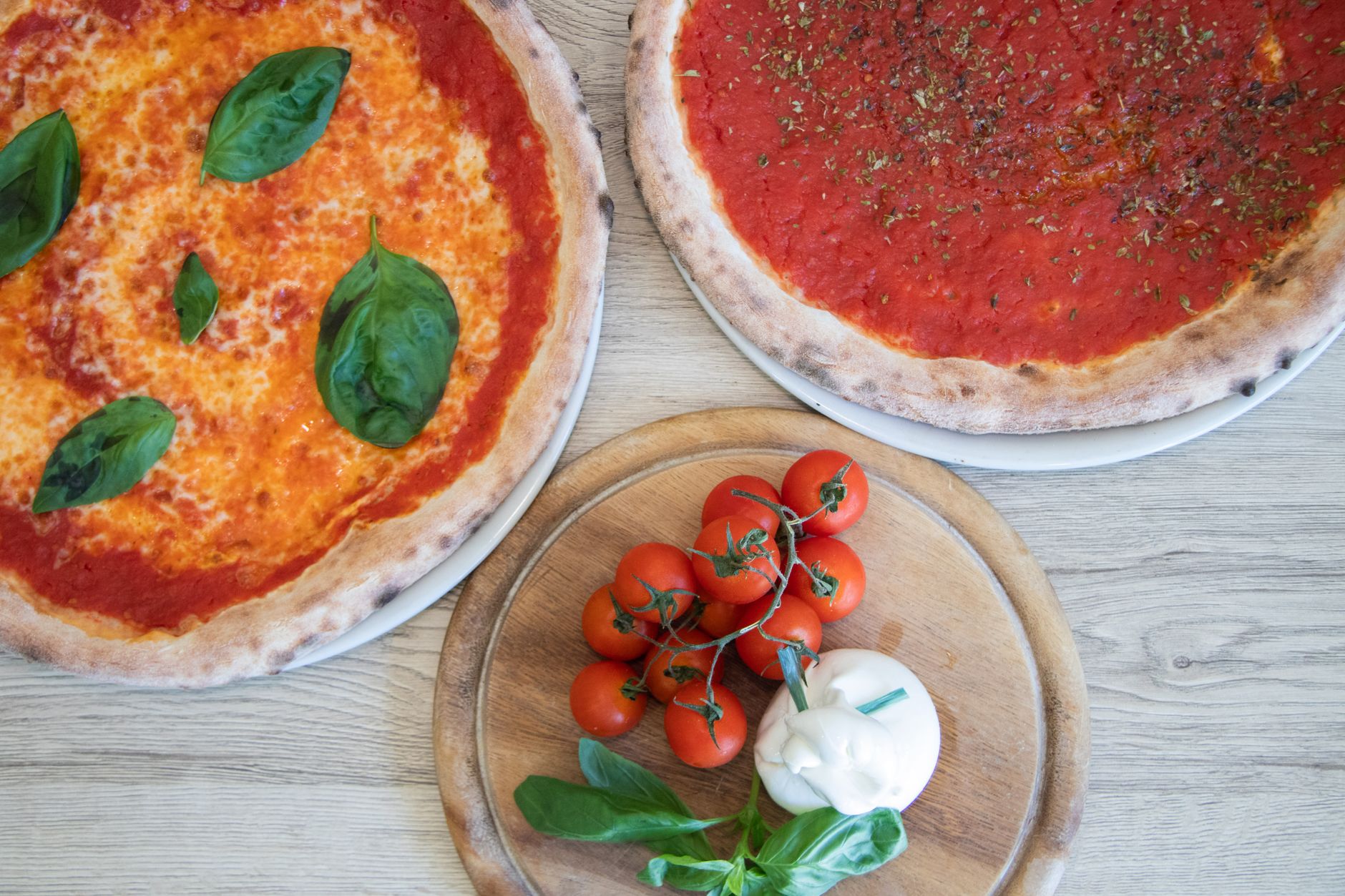
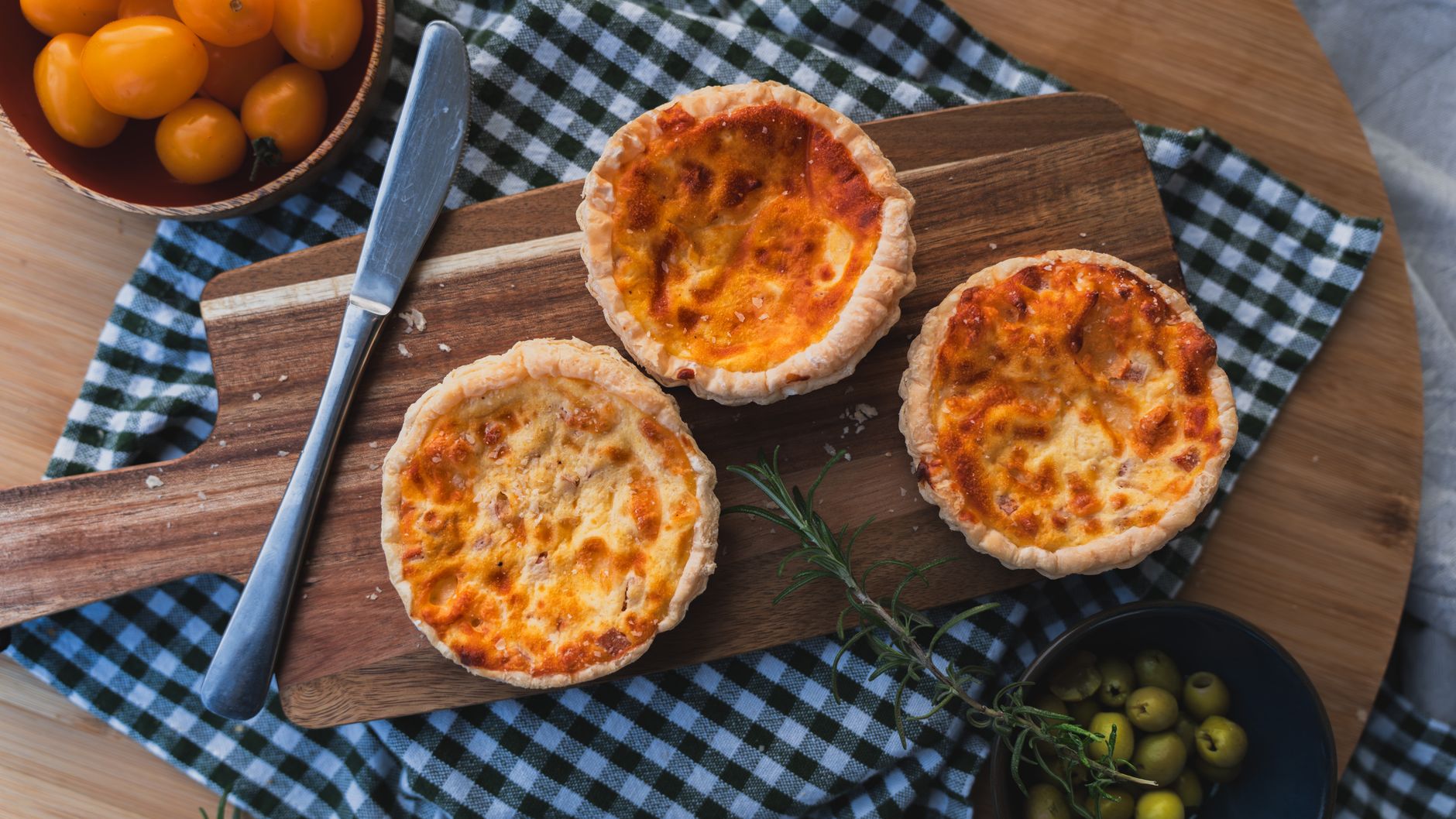
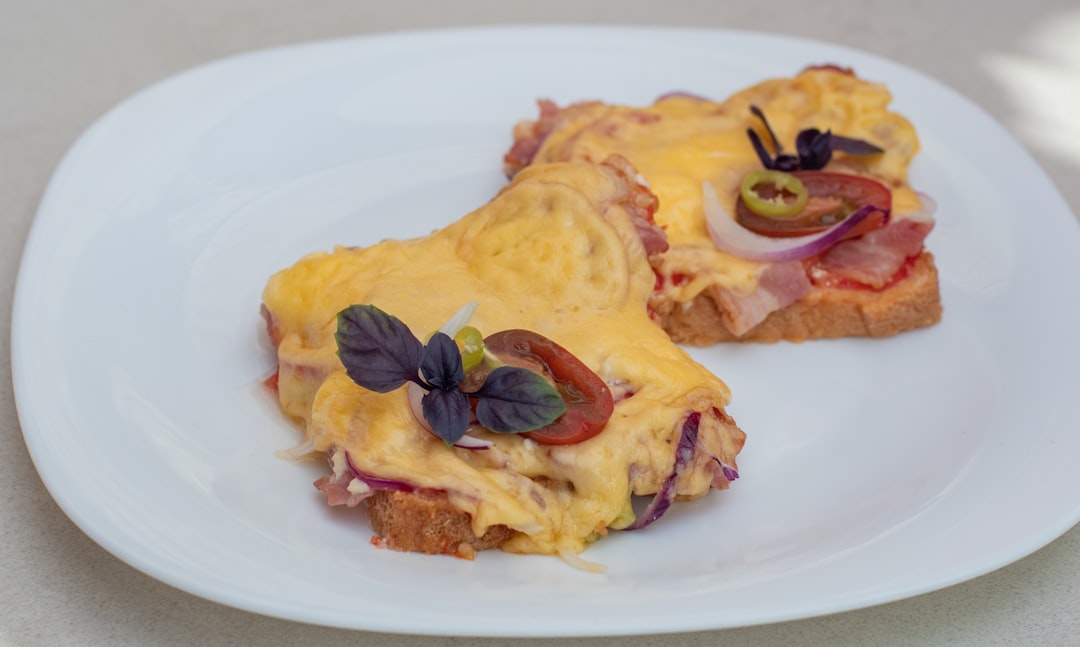
Cheese and tomato is caprese, grilled cheese or pizza, depending on how much heat you apply. The strongest match is Burrata Caprese, and Custrd also matched tomato grilled cheese, a Boursin bruschetta dip, a burrata and tomato pizza board and a crispy cheese tart. Six tested recipes.
 Top recipe
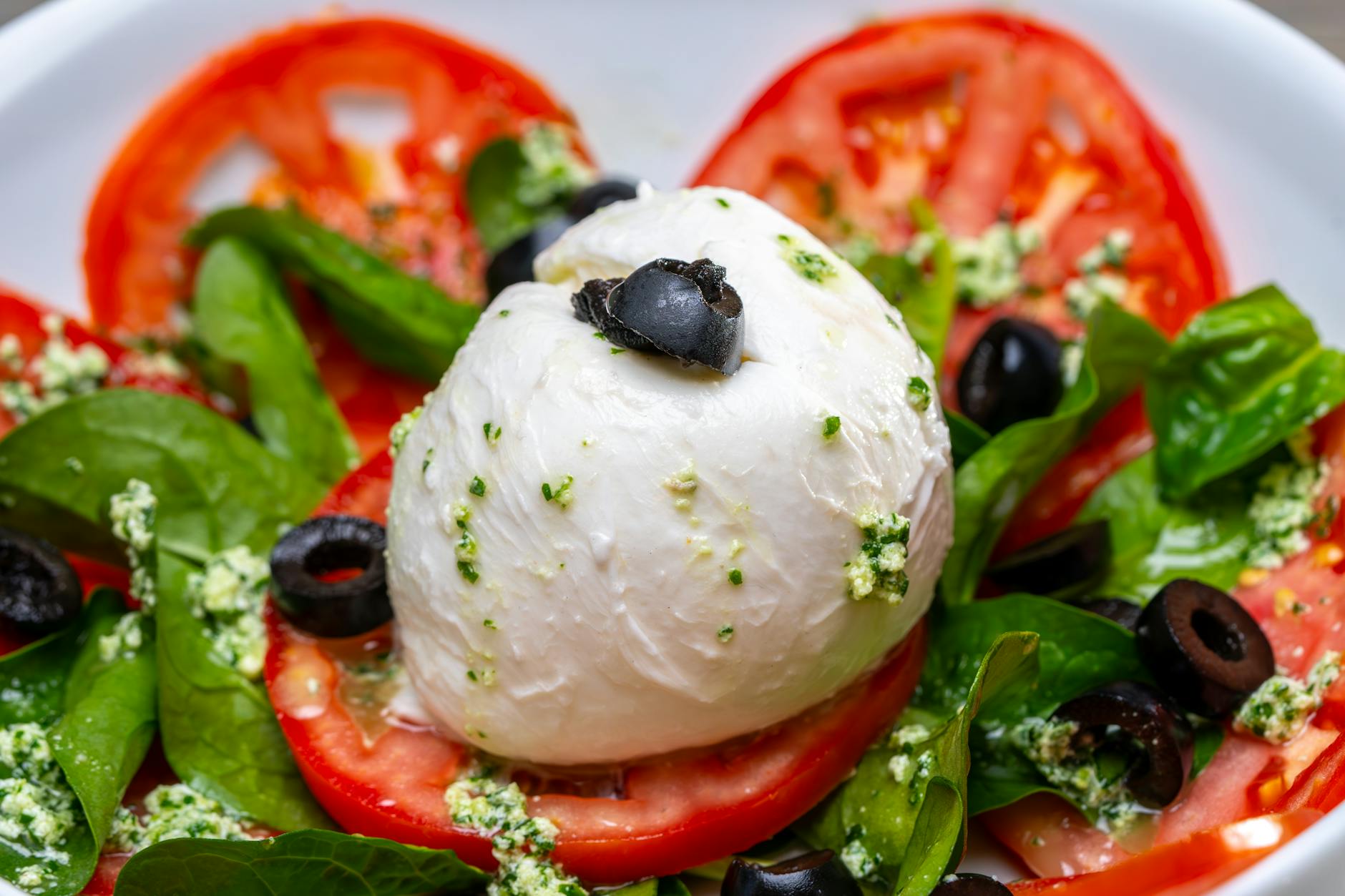
Burrata Caprese
Creamy burrata, ripe tomatoes, fresh basil, and a sharp vinaigrette come together in minutes. No cooking required — pure summer on a plate.
Ingredients
- •burrata cheese
- •ripe tomatoes (Roma or heirloom)
- •fresh basil
- •balsamic vinegar
- •extra-virgin olive oil
- •salt and black pepper
Steps
- 1Slice the tomatoes into 1/4-inch rounds and arrange on a plate.
- 2Place the burrata in the center of the tomato slices.
- 3Tear the fresh basil leaves by hand and scatter over the plate.
- 4Whisk together balsamic vinegar and olive oil in a small bowl.
- 5Drizzle the vinaigrette over the tomatoes and burrata.
- 6Season with a pinch of salt and fresh cracked pepper. Serve immediately.
Why this works
This pairing is the single most successful in Western cooking, and there is a specific reason for it. Both aged cheese and ripe tomato are unusually rich in free glutamate, the compound most responsible for savoury flavour. Combined, they do not simply add up — the perceived savouriness multiplies. That is the underlying chemistry of a margherita pizza, of a tomato and cheese toastie, and of a plate of caprese, and it is why so few other two-ingredient combinations feel this complete on their own.
The acid does the balancing. Cheese is fatty and coats the mouth; tomato is sharp enough to cut through it and reset the palate. This is why the pairing survives at almost any ratio and any temperature, from a raw caprese to a tart baked for half an hour.
The choice of cheese changes the dish fundamentally. Fresh milky cheeses such as burrata and mozzarella contribute texture and richness but very little flavour of their own, so they need a genuinely ripe tomato and good olive oil to carry the plate — that is the caprese approach. Aged cheeses bring their own strong glutamate load and can stand up to cooked, concentrated tomato, which is the grilled cheese and tart approach.
Salt is the step most often skipped. Salting sliced tomatoes ten minutes before assembly draws out a little water, concentrates the flavour and seasons them properly. It also stops the plate flooding, which is what ruins most home capreses.
Custrd matches the cheese and tomatoes you have against tested recipes and shows what else each one needs.
More you can make
Tap any of these to open them in Custrd — try it free for 7 days.
More recipes you can make
More dishes that use these ingredients, from a large public recipe collection. Ingredients and nutrition here; step-by-step instructions in the Custrd app.
- Global
Easy toast pizza
Uses 2 of yours5 min353 cal - Global
Italian Grilled Cheese Sandwiches
Uses 2 of yours18 min405 cal - Global
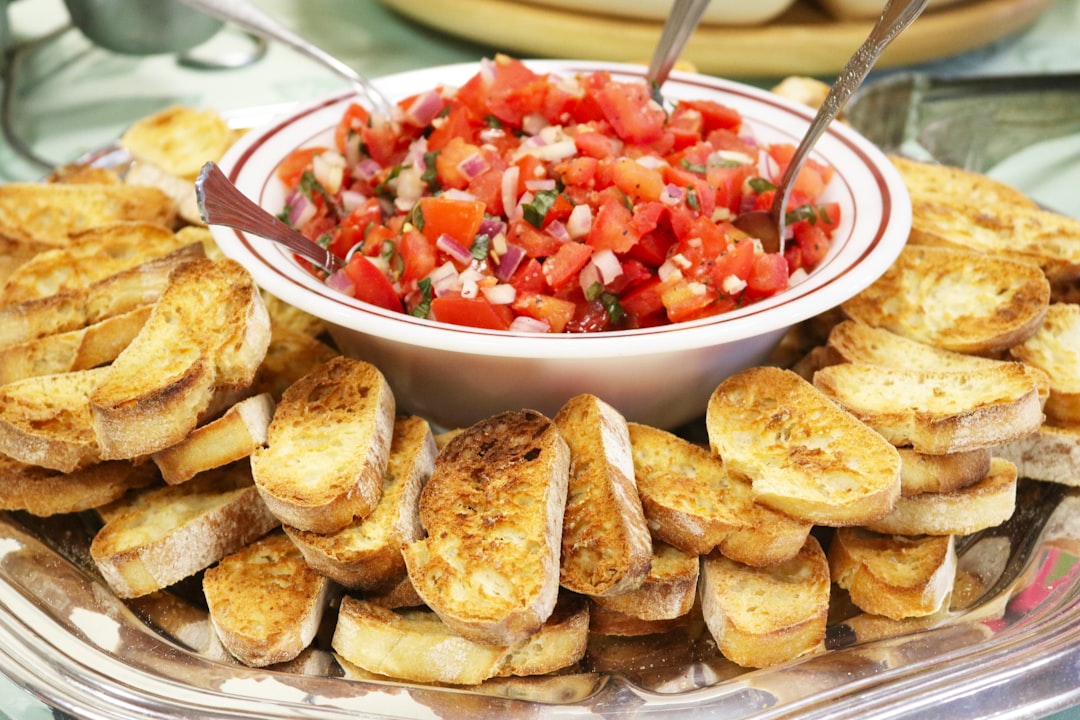
Bruschetta
Uses 2 of yours12 min446 cal - Global
Grilled Cheese Perfection
Uses 2 of yours7 min516 cal - Global
Grilled Cheese Tomato Panini With Crispy Apples
Uses 2 of yours15 min635 cal - Global
Turkey Sliders
Uses 2 of yours12 min223 cal
Have different ingredients?
Try our free ingredient finder.
Open the recipe finder →Frequently asked
Why do cheese and tomato taste so good together?
Both are rich in free glutamate, the compound behind savoury flavour, and when two glutamate sources combine the perceived intensity multiplies rather than adds. Tomato acidity also cuts the fat in cheese, so the pairing balances itself on flavour and on texture at the same time.
Which cheese should I use for a caprese?
Burrata or a good buffalo mozzarella. Both are mild and milky, contributing creaminess rather than strong flavour, which means the tomato has to be genuinely ripe to carry the dish. If your tomatoes are ordinary, use a more assertive cheese and add basil oil or a very good olive oil.
Should I salt the tomatoes first?
Yes, about ten minutes ahead. Salting draws out a little water, which concentrates the flavour and seasons the tomato all the way through rather than only on the surface. It also means the excess liquid ends up on the chopping board rather than flooding the finished plate.
Related
Want 15+ more meal ideas from your ingredients?
Custrd finds dozens of recipes from a single fridge photo, with smart filters for diet, time, and macros.
Try Custrd free for 7 days