What Can I Make with Egg and Ground Pork?
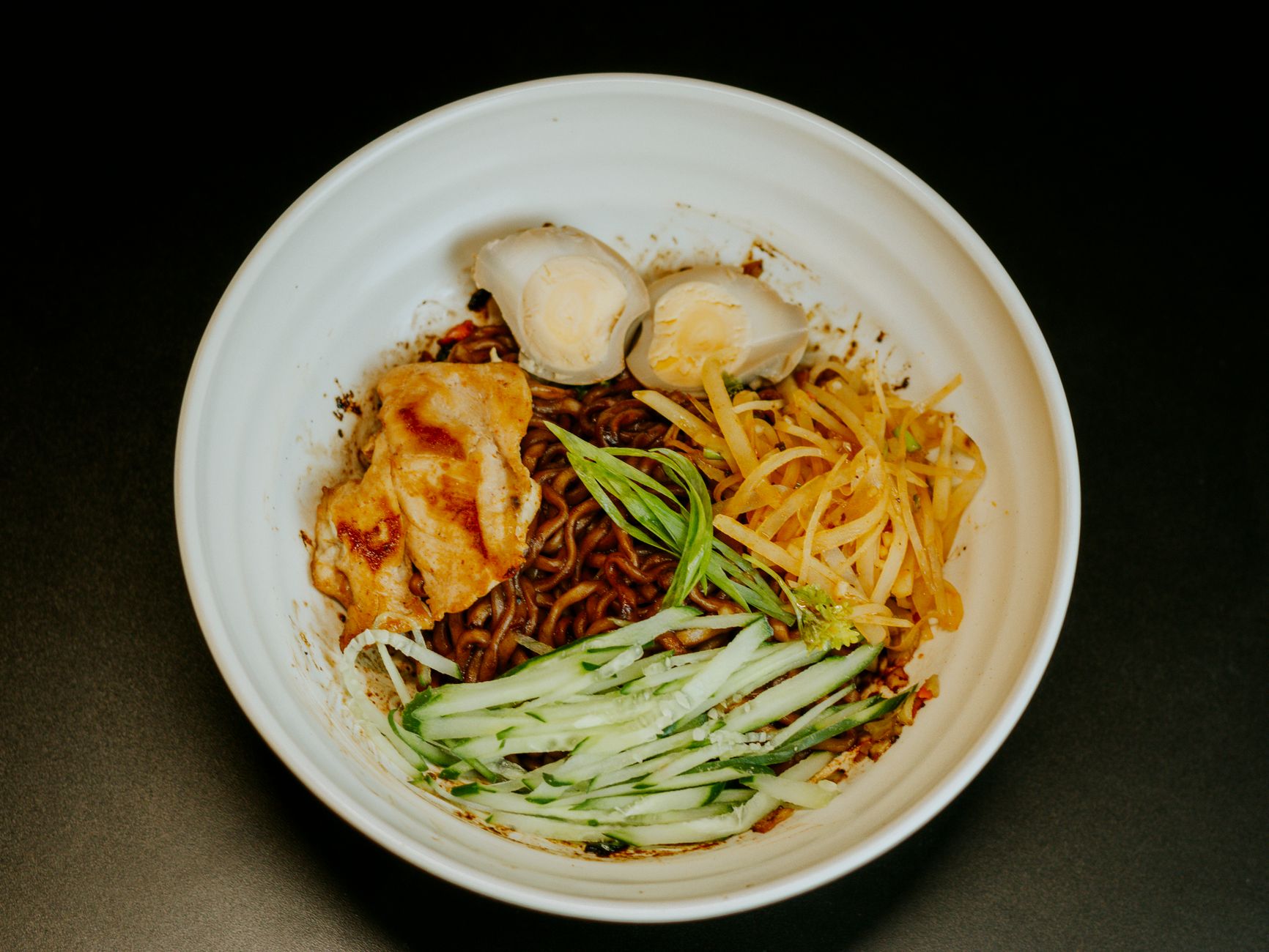
Egg is what holds ground pork together, which is why it appears in every meatball, meatloaf and steamed bun filling. The strongest match is Crispy Pork Frikadellen, and Custrd also matched German Hackbraten, jjajangmyeon, bánh bao steamed pork buns and Filipino embutido. Six tested recipes.
 Top recipe
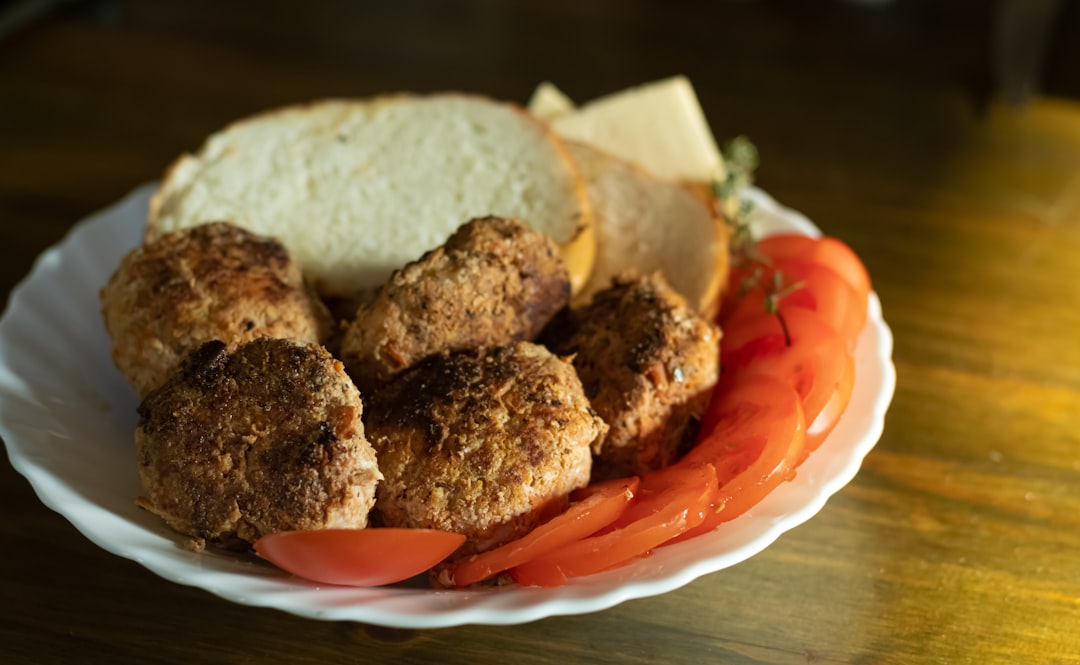
Crispy Pork Frikadellen
German pan-fried pork meatballs with a tender, juicy center and golden crust. Serve with mustard, pickles, and crusty bread for an instant weeknight win.
Ingredients
- •ground pork
- •panko breadcrumbs
- •egg
- •yellow onion, grated
- •dijon mustard
- •neutral cooking oil
Steps
- 1Combine pork, breadcrumbs, egg, grated onion, mustard, and a pinch each of salt and pepper in a bowl.
- 2Divide into 8 portions and roll each into a compact ball about 2 inches wide.
- 3Heat oil in a 12-inch skillet over medium-high until it shimmers, ~90 seconds.
- 4Add meatballs and cook without moving for 3 minutes until the bottoms turn deep golden brown.
- 5Roll each frikadel to another side and cook for 2 more minutes until a meat thermometer reads 160°F.
- 6Transfer to a plate and serve hot with mustard, pickles, and crusty bread.
Why this works
Ground pork on its own is soft, fatty and structurally weak. Formed into a patty and put in a pan, it tends to crumble as the fat renders out and the proteins contract. Egg is the standard fix: its proteins coagulate during cooking and knit through the mince, locking the whole thing into a single mass. That is why almost every meatball, patty, meatloaf and steamed bun filling in the world includes one.
The amount matters more than people assume. One egg per five hundred grams of mince is roughly the right proportion. Too little and the mixture falls apart; too much and it goes rubbery and oddly wet, because excess egg white sets into something springy rather than tender. Most traditional recipes pair the egg with a panade — bread soaked in milk, or cooked rice — which absorbs juices and keeps the interior soft while the egg holds the structure.
Fat is the other half of the equation. Ground pork is considerably fattier than beef, which is what keeps a frikadelle or a bun filling moist. It also means the mixture is more fragile before it cooks, so it wants gentle handling: mix until the egg is just distributed and then stop. Overworking mince develops the meat proteins into something dense and springy.
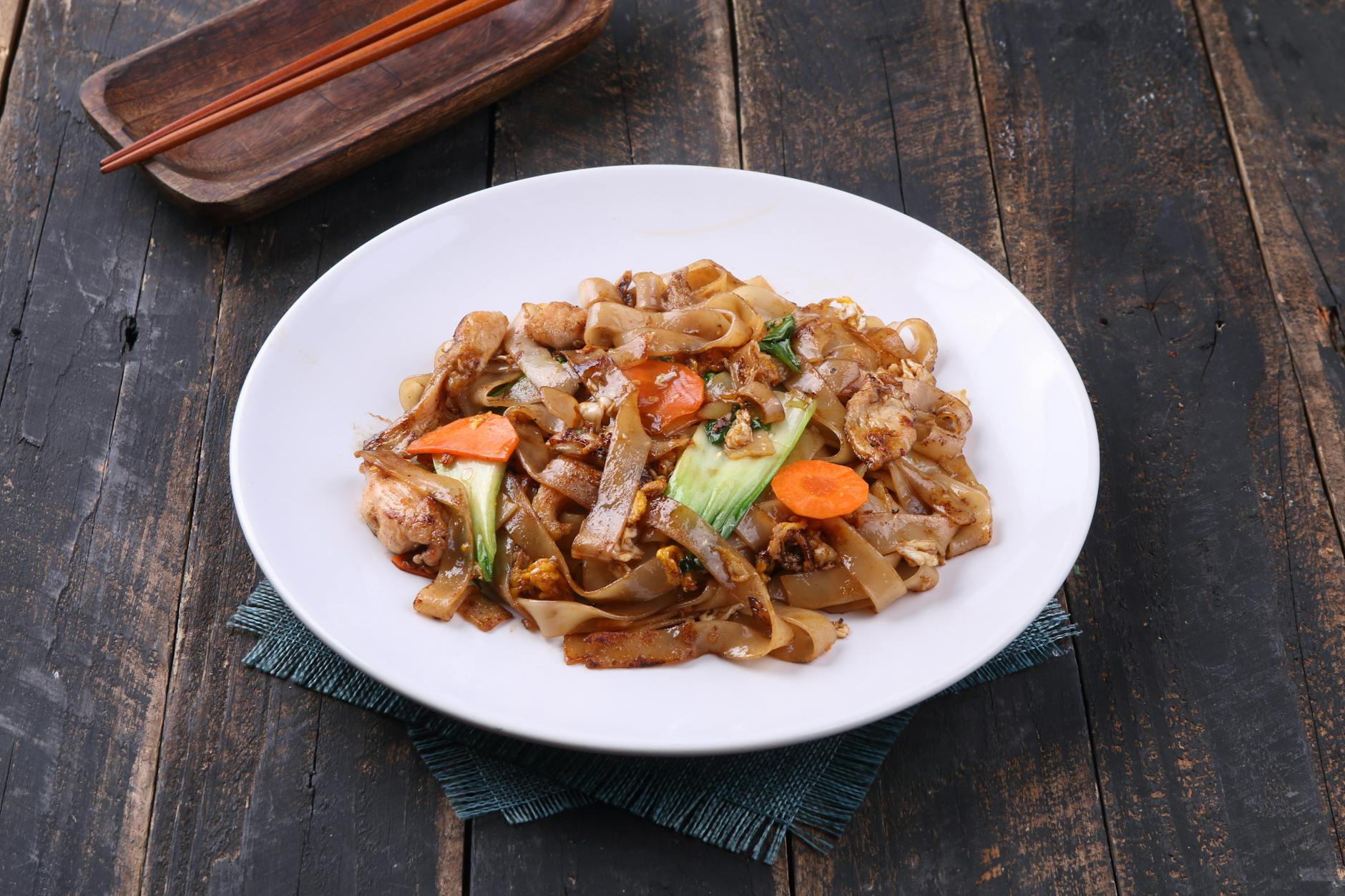
In the noodle dishes here the egg does a different job entirely, cooked separately as ribbons or a fried topping rather than bound into the meat, contributing richness and colour on top.
Custrd matches the pork and eggs you have against tested recipes and shows what else each one needs.
More you can make
Tap any of these to open them in Custrd — try it free for 7 days.
More recipes you can make
More dishes that use these ingredients, from a large public recipe collection. Ingredients and nutrition here; step-by-step instructions in the Custrd app.
- Global
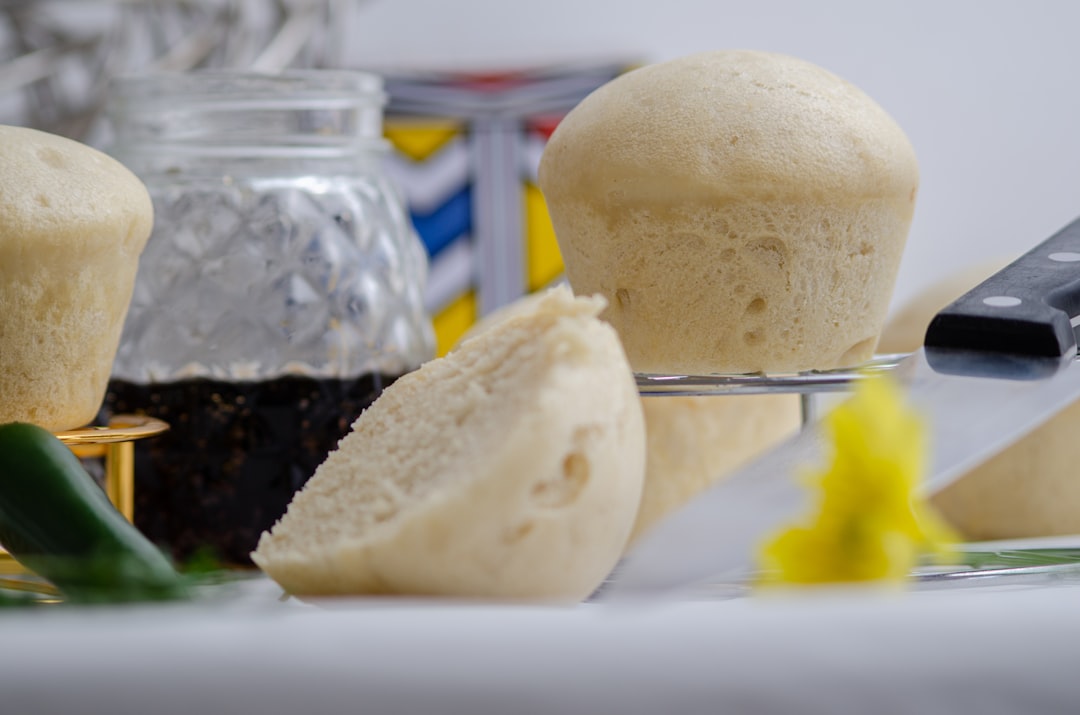
Steamed Minced Pork and Egg
Uses 2 of yours40 min336 cal - Global
Stuffing Balls
Uses 2 of yours45 min301 cal - Global
Sweet Potato Patties
Uses 2 of yours35 min62 cal - Global
Aunty Yummy Burgers
Uses 2 of yours25 min401 cal - Global
CABBAGE ROLLS - version
Uses 2 of yours285 min145 cal - Global
Baked Scotch Eggs
Uses 2 of yours120 min603 cal





Have different ingredients?
Try our free ingredient finder.
Open the recipe finder →Frequently asked
How much egg per amount of pork?
About one egg per five hundred grams of mince. Less and the mixture will not hold together; more and the excess white sets rubbery and makes the mixture wet and difficult to shape. If your mix feels loose, add breadcrumbs rather than another egg.
Do I need breadcrumbs as well as egg?
Not strictly, but they help. A panade of bread soaked in milk absorbs the juices that would otherwise escape, keeping the inside soft while the egg supplies structure. Without it the result is denser and slightly drier, though still perfectly workable if the pork is fatty enough.
Why do my pork patties turn out dense and springy?
You mixed them too much. Working ground meat develops its proteins into an elastic network, much the way kneading develops gluten, and the result is bouncy rather than tender. Combine the egg and seasoning with the mince using your fingertips and stop as soon as it is evenly distributed.
Related
Want 15+ more meal ideas from your ingredients?
Custrd finds dozens of recipes from a single fridge photo, with smart filters for diet, time, and macros.
Try Custrd free for 7 days