What Can I Make with Milk and Strawberry?
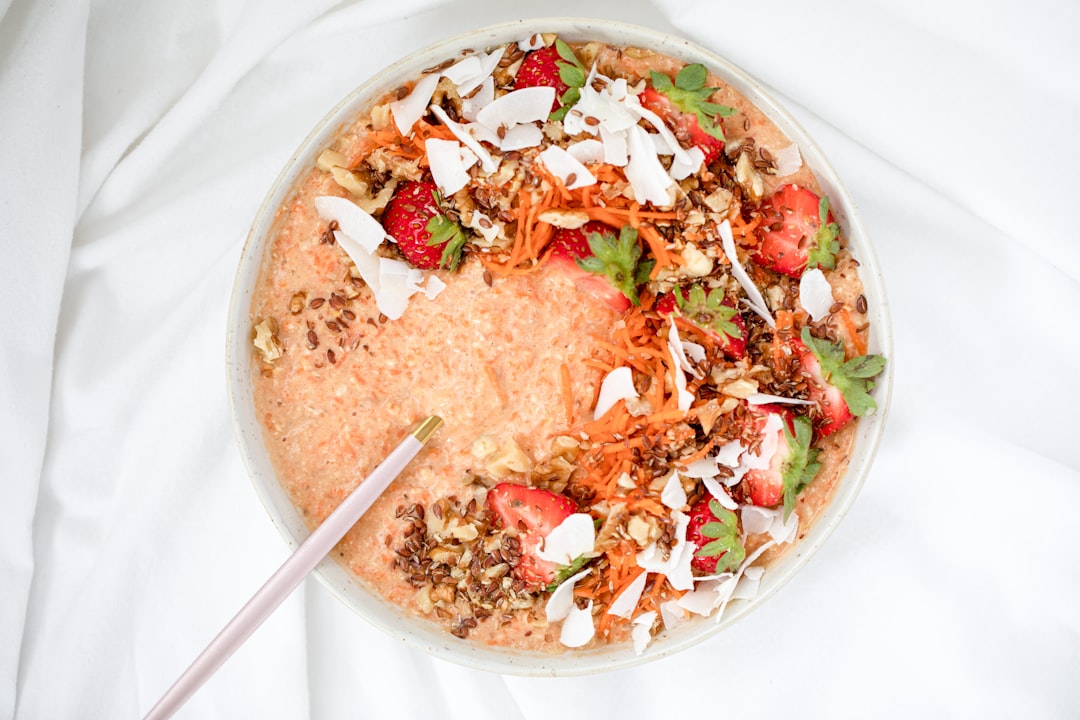
Strawberries and milk is a five-minute pairing, not a baking project. The strongest match is Korean Strawberry Milk, where crushed macerated fruit sits at the bottom of the glass, and Custrd also matched a strawberry milkshake, two smoothies and warm oatmeal bowls. Six tested recipes.
 Top recipe
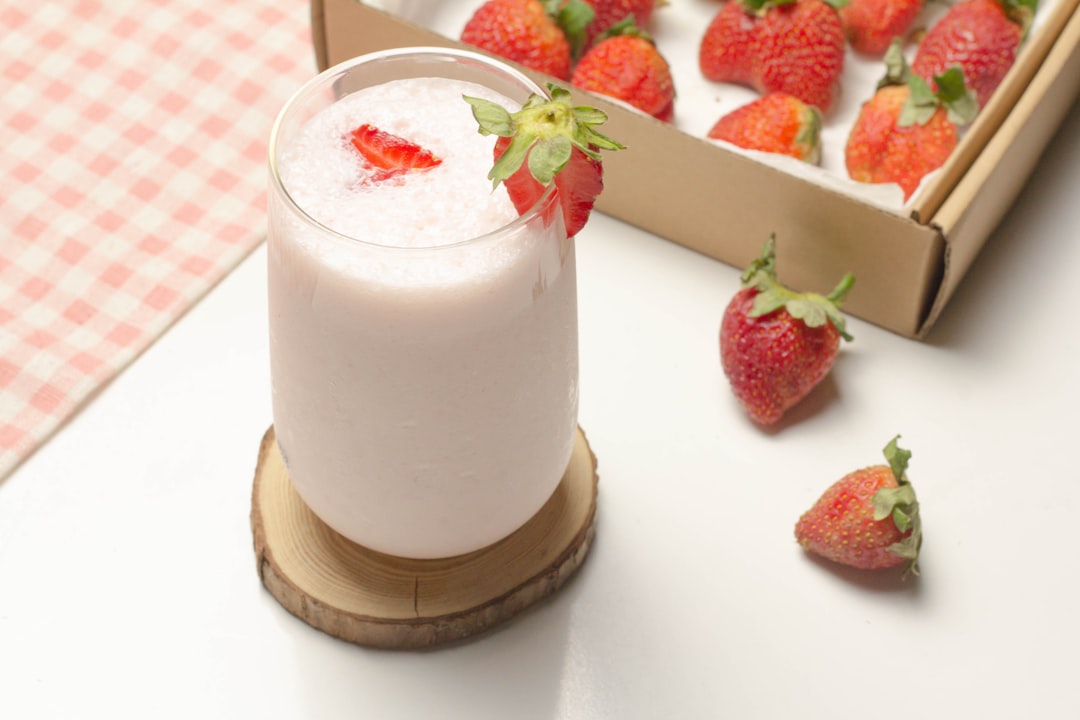
Korean Strawberry Milk
The viral pink drink from Korean convenience stores — fresh strawberries blended with cold milk and a touch of sweetness, layered over ice. Ready in 5 minutes, tastes like dessert.
Ingredients
- •fresh strawberries, hulled
- •whole milk, cold
- •granulated sugar
- •ice cubes
- •fresh strawberries, sliced (for topping)
Steps
- 1Add hulled strawberries and sugar to a blender with 0.5 cup cold milk.
- 2Blend on high until smooth and bright pink, about 45 seconds.
- 3Fill two tall glasses with ice cubes, dividing evenly.
- 4Pour strawberry mixture into glasses, filling each about one-third.
- 5Top each glass with remaining 0.5 cup cold milk, pouring slowly to create a layered effect.
- 6Stir gently, top with sliced strawberries, and serve immediately with a straw.
Why this works
Strawberry aroma is built from dozens of volatile compounds, and most of them are fat-soluble. That is the practical reason this pairing works so much better than strawberry in water: even the modest amount of fat in whole milk dissolves and carries those aromatics, so the fruit tastes rounder and fuller than it does alone. Milk proteins do a second job, softening the slight astringency in the skin and seeds.
The technique that matters most is maceration. Chop or crush the strawberries, add sugar, and wait fifteen minutes. Sugar draws juice out of the fruit by osmosis and dissolves into it, producing a bright syrup and softened pulp without any heat at all, which means none of the fresh aroma is cooked away. This is exactly what gives Korean strawberry milk its character: macerated fruit sits at the base of the glass, milk goes on top, and because the syrup is denser it stays put until you stir.
Heat is the thing to watch. Strawberries are mildly acidic, and hot milk plus acid is how you curdle a drink. Warm applications like an oatmeal bowl work because the milk is absorbed into the oats and buffered by starch rather than sitting as a thin liquid. If you are heating them together directly, keep the temperature low and add the fruit at the end.
For smoothies, frozen strawberries beat fresh fruit plus ice: they thicken the drink without diluting it. Custrd matches the milk and strawberries in your fridge against tested recipes and fills in the rest.
More you can make
Tap any of these to open them in Custrd — try it free for 7 days.

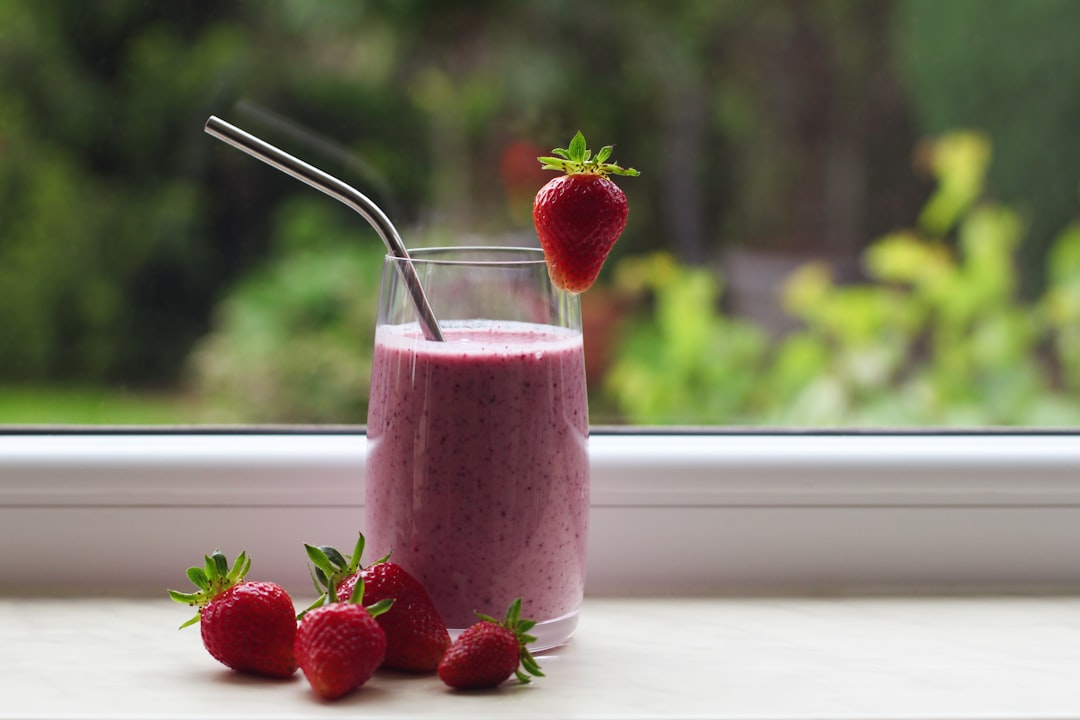
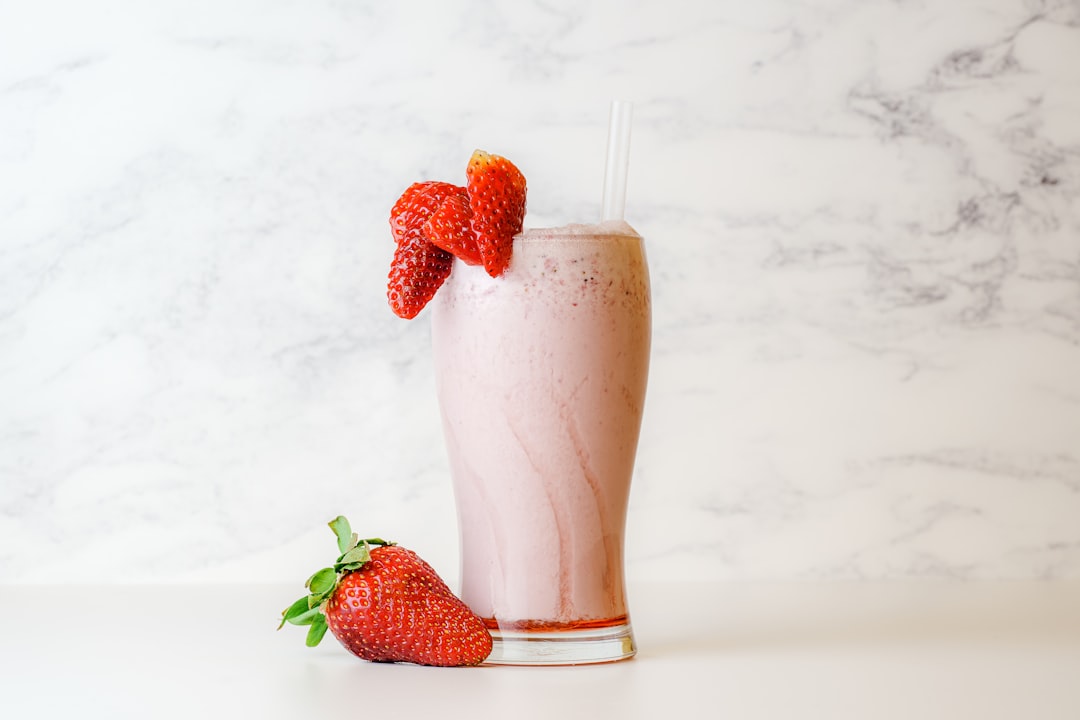
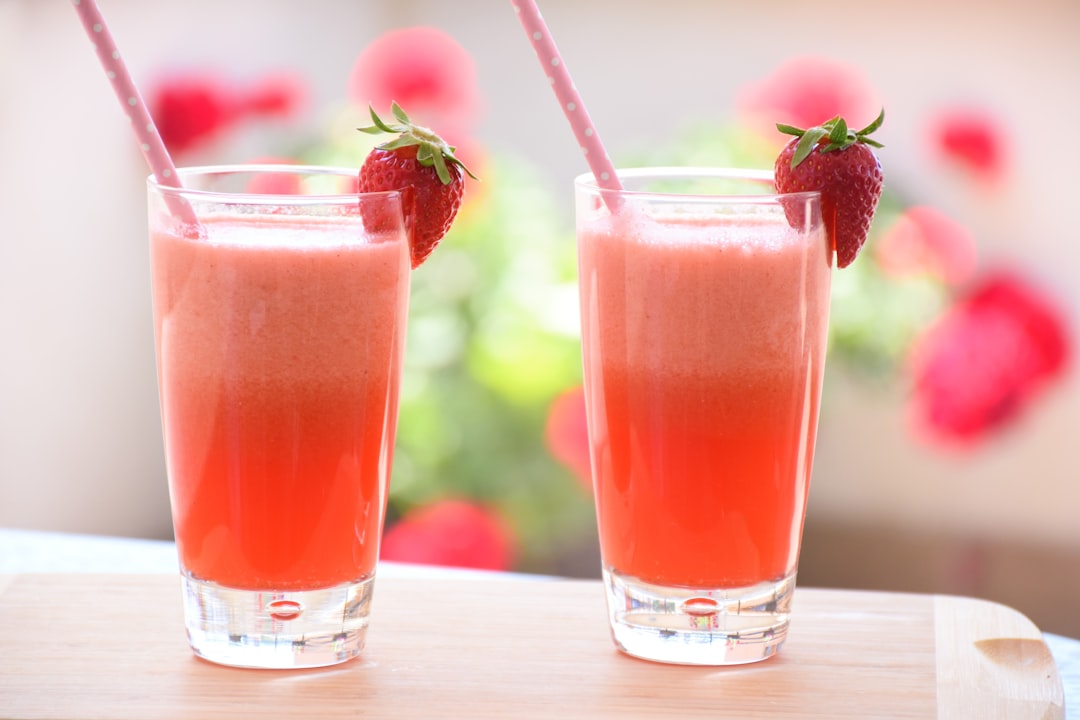
More recipes you can make
More dishes that use these ingredients, from a large public recipe collection. Ingredients and nutrition here; step-by-step instructions in the Custrd app.
- Global
Marks Awesome Strawberry Milkshake
Uses 2 of yours5 min67 cal - Global
Strawberry Soup
Uses 2 of yours25 min300 cal - Global
Homemade Low-Fat Strawberry Yoghurt
Uses 2 of yours35 min181 cal - Global
Strawberry and Raspberry Shake
Uses 2 of yours10 min245 cal - Global
Strawberry Whirl
Uses 2 of yours10 min320 cal - Global
Strawberry Cow
Uses 2 of yours5 min492 cal
Have different ingredients?
Try our free ingredient finder.
Open the recipe finder →Frequently asked
Why does my strawberry milk separate?
Density, mostly, and it is not a fault. Macerated fruit syrup is heavier than milk, so it sinks — that layered look is the point of Korean strawberry milk. If you want it uniform, blend it. True curdling is different and comes from heat plus acidity, so keep warm versions gentle.
Should I use fresh or frozen strawberries?
Fresh for anything where the fruit is visible and you want texture — strawberry milk, oatmeal bowls, a layered glass. Frozen for smoothies and shakes, because frozen fruit chills and thickens at the same time, whereas fresh strawberries plus ice just waters the drink down.
Do I need to add sugar?
Not for flavour necessarily, but for texture it changes a great deal. Sugar sprinkled over cut strawberries pulls juice out and creates a syrup within fifteen minutes, which is what makes the fruit layer pourable and intense. Without it you get pieces of fruit sitting in milk rather than a drink.
Related
Want 15+ more meal ideas from your ingredients?
Custrd finds dozens of recipes from a single fridge photo, with smart filters for diet, time, and macros.
Try Custrd free for 7 days