What Can I Make with Mushroom and Rice?
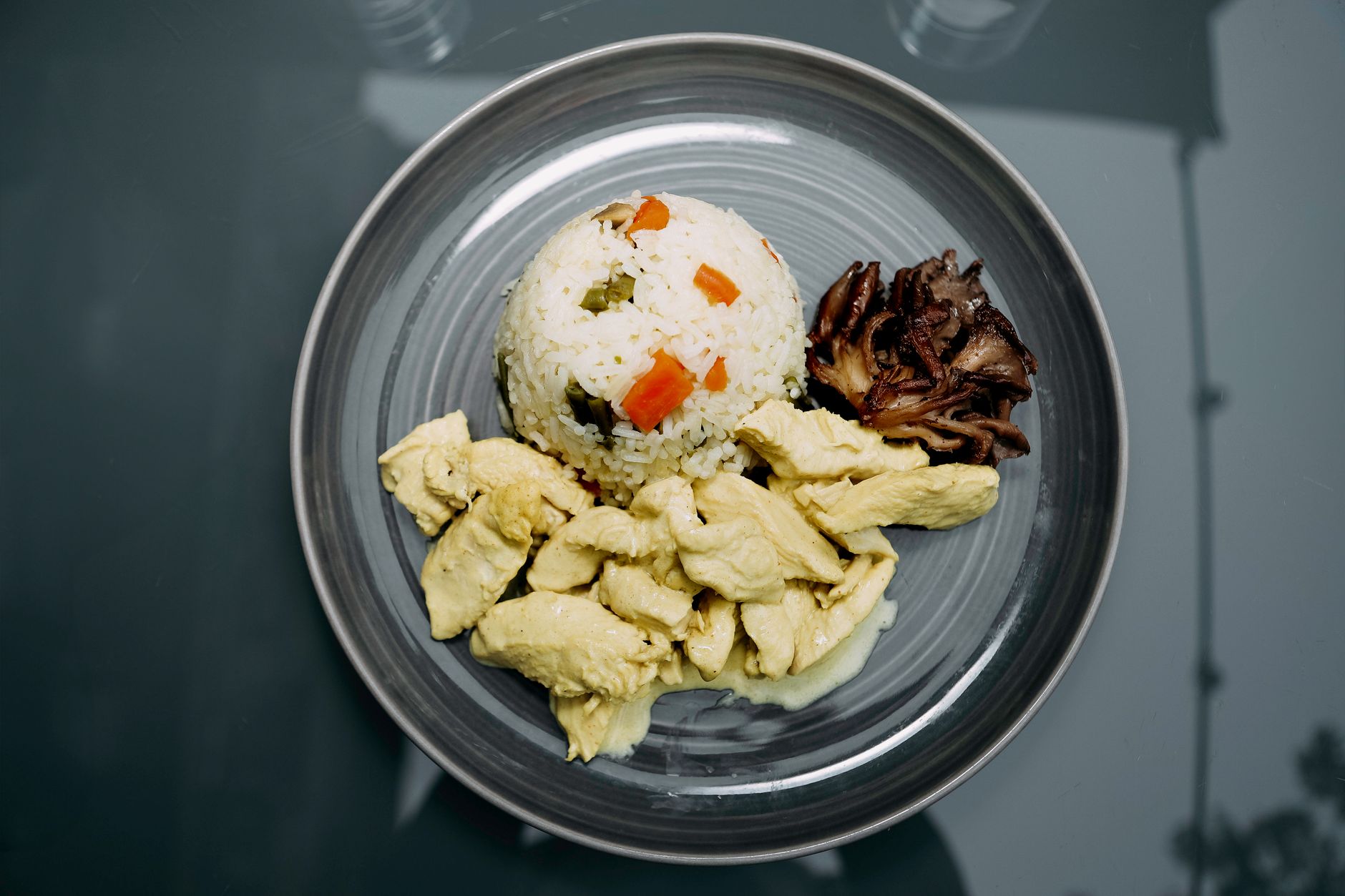
Mushrooms and rice is the risotto and kinoko gohan pairing, where rice absorbs the liquid mushrooms give up. The strongest match is Creamy Mushroom Risotto, and Custrd also matched Japanese kinoko gohan, clay pot chicken and rice, bibimbap and a one-pot chicken and rice. Six tested recipes.
 Top recipe
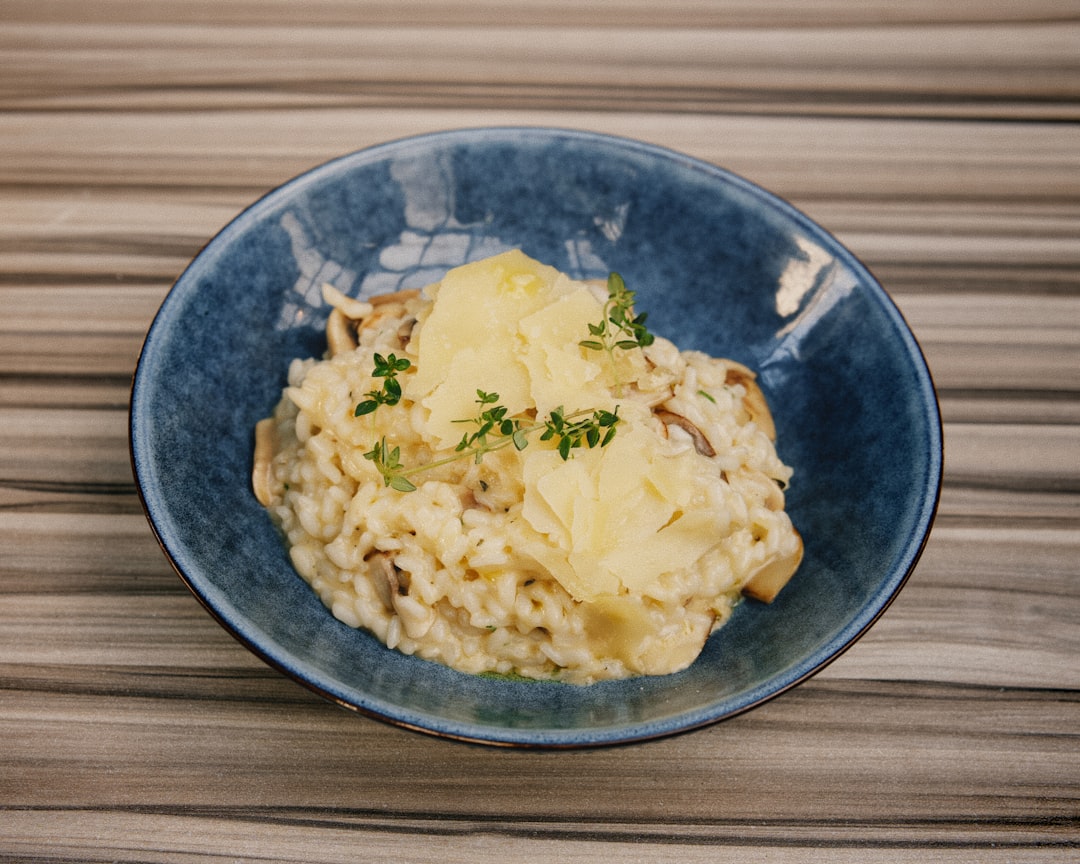
Creamy Mushroom Risotto
Tender arborio rice cooked with mushrooms, broth, and butter until rich and creamy. A classic Italian one-pan dinner that feels fancy but takes just 30 minutes.
Ingredients
- •mushrooms, mixed varieties
- •arborio rice
- •vegetable broth
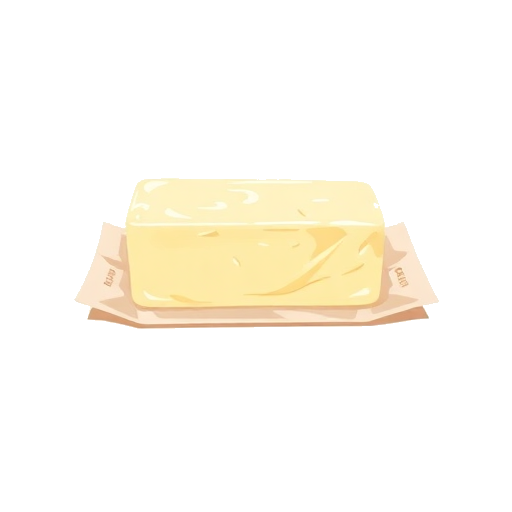
- •butter
- •parmesan cheese, finely grated
- •salt and pepper
Steps
- 1Place mushrooms on the cutting board stem-side down and slice straight down through the cap into 1/4-inch-thick slices, like cutting bread, until all mushrooms are sliced.
- 2Pour the 4 cups vegetable broth into a small pot and place it on the stove over medium heat, leaving it there until needed so it stays warm.
- 3Place a 12-inch skillet over medium-high heat and add 1 tablespoon butter, swirling until the butter melts completely and coats the pan, about 20 seconds.
- 4Add the sliced mushrooms to the hot pan and cook, stirring once every 30 seconds, until the surfaces turn golden-brown and the mushrooms release their liquid, about 5 minutes.
- 5Slide the cooked mushrooms onto a plate and set aside, leaving any liquid in the pan.
- 6Add 1 tablespoon butter to the same skillet and pour in the 1 cup arborio rice, then stir constantly for 1 minute until the rice grains look opaque white instead of translucent.
- 7Pour 1 cup of the warm broth into the rice and stir gently but continuously until almost all the liquid is absorbed and the rice looks creamy, about 4 minutes.
- 8Pour another 1 cup warm broth into the pan and stir constantly for about 4 minutes until almost all the liquid is absorbed again and the rice looks even creamier.
- 9Repeat step 8 with another 1 cup broth, stirring for 4 minutes, then add the final 1 cup broth and stir until absorbed and the rice is tender when you bite a grain, about 4 more minutes.
- 10Slide the cooked mushrooms back into the risotto and stir to combine evenly.
- 11Remove the pan from heat and stir in the remaining 1 tablespoon butter and the 0.5 cup grated parmesan cheese until fully melted and the risotto looks glossy.
- 12Taste a small spoonful and add salt and pepper until it tastes well-seasoned to you.
- 13Divide the risotto between two bowls and serve immediately while hot.
Why this works
Rice is the most absorbent ingredient in a normal kitchen, and mushrooms release a liquid that is worth absorbing. That is the whole relationship. Cooked mushrooms give up water loaded with glutamates and guanylates, the two compound families responsible for savoury depth, and rice cooked in that liquid takes all of it up. Dried mushrooms make the effect stronger still, which is why almost every serious mushroom rice recipe calls for the soaking liquid as well as the mushrooms themselves.
How you cook the mushrooms decides the character of the dish. Browning them separately in a hot pan drives off water and concentrates flavour through the Maillard reaction, giving a nutty, roasted quality — this is the risotto approach, where the mushrooms are usually cooked first and folded in. Cooking them with the rice from the start, as in Japanese kinoko gohan or a clay pot rice, is gentler: less browning, but every grain is seasoned by the mushroom liquid rather than only a portion of it.
The rice variety follows from that. Risotto needs a short grain such as arborio or carnaroli, because the surface starch those grains shed is what makes the dish creamy without any cream. Kinoko gohan and clay pot rice use Japanese or jasmine short and medium grains, which absorb seasoned liquid while holding their shape.
A final note on stirring. Risotto is stirred constantly to knock starch off the grains; clay pot rice is left absolutely alone so a crust forms on the bottom. Custrd matches your mushrooms and rice against tested recipes and shows what else each one needs.
More you can make
Tap any of these to open them in Custrd — try it free for 7 days.
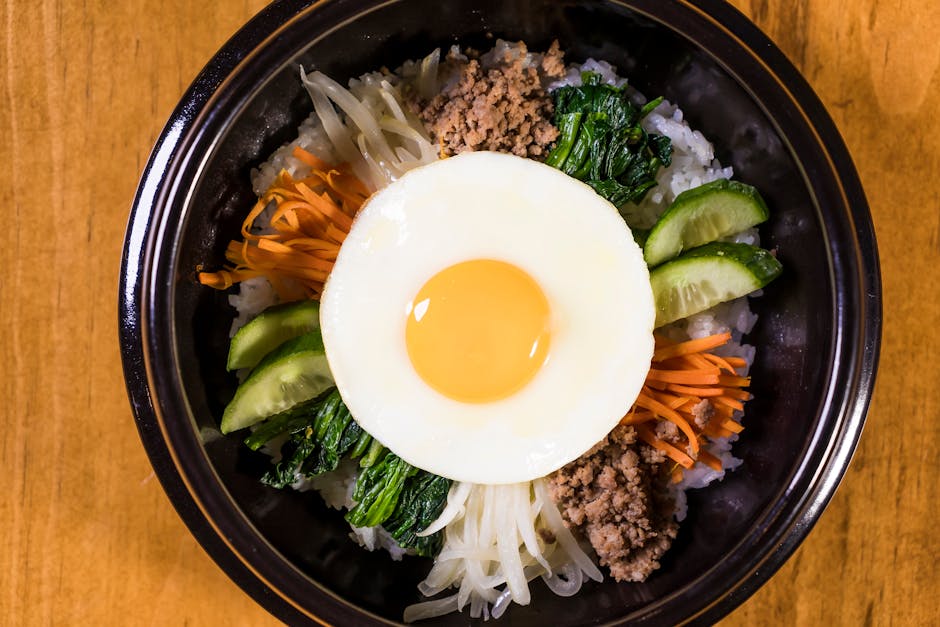
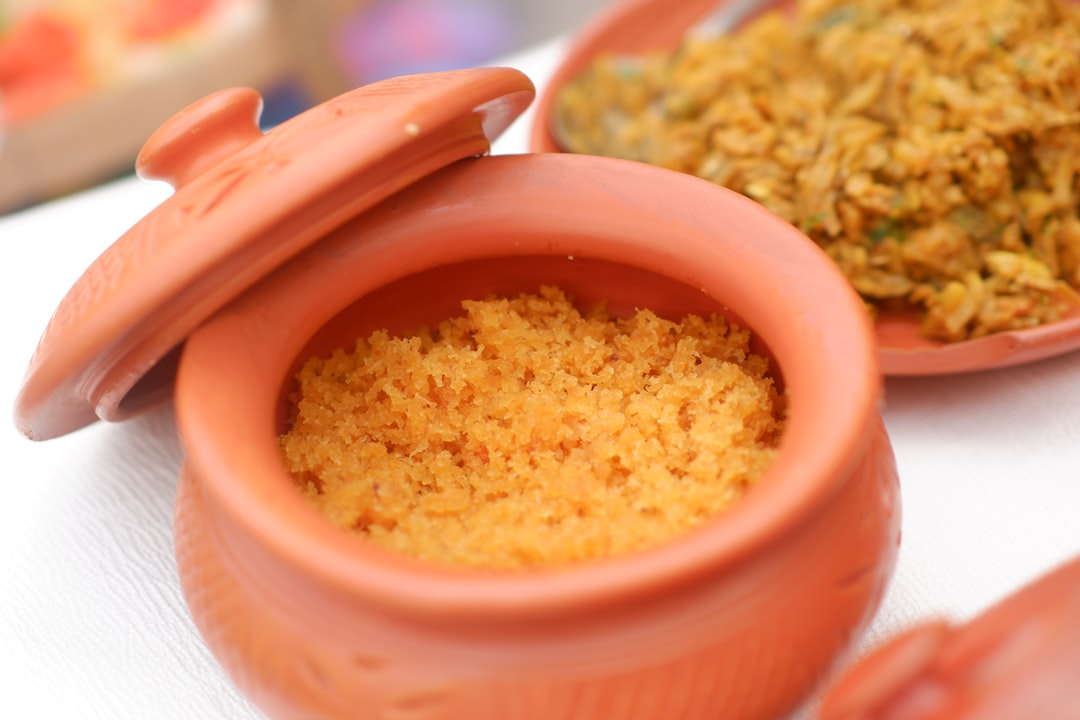
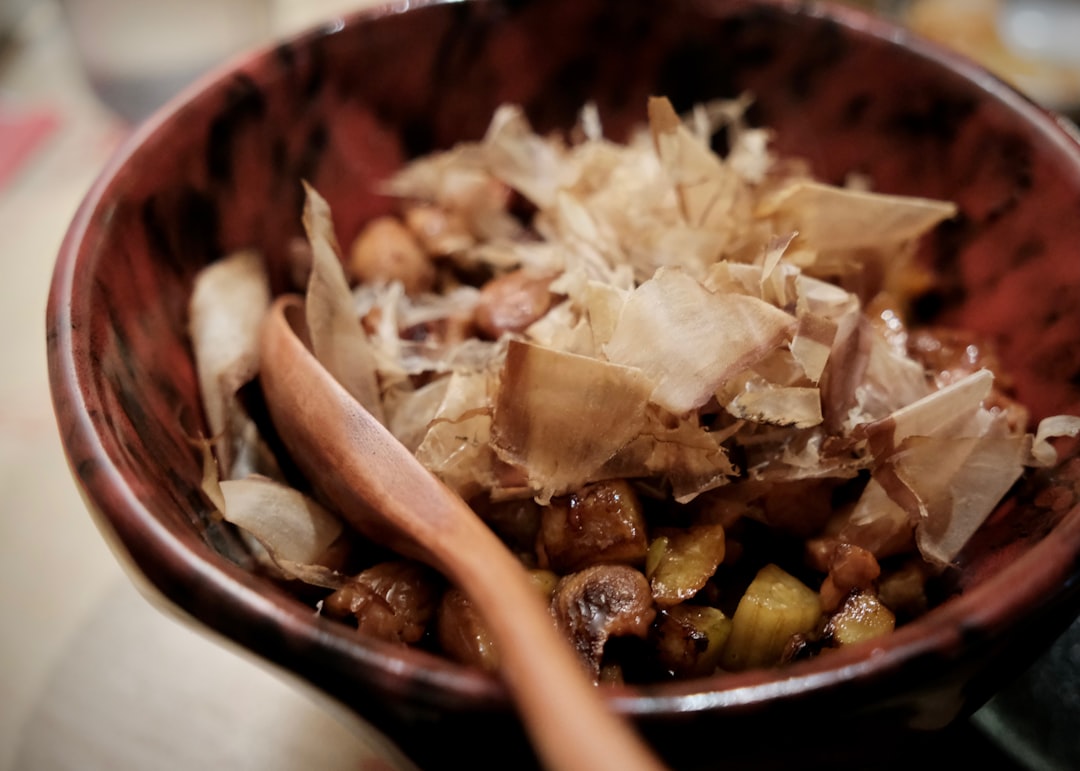

More recipes you can make
More dishes that use these ingredients, from a large public recipe collection. Ingredients and nutrition here; step-by-step instructions in the Custrd app.
- Global
Mushroom Rice
Uses 2 of yours30 min147 cal - Global
Quick Brown Rice with Onions and Mushrooms
Uses 2 of yours15 min317 cal - Global
Brown Rice Royal
Uses 2 of yours10 min367 cal - Global
So You Forgot to Defrost
Uses 2 of yours610 min225 cal - Global
Rice
Uses 2 of yours80 min272 cal - Global
Butterfly Chops In Wine Sauce
Uses 2 of yours60 min485 cal

Have different ingredients?
Try our free ingredient finder.
Open the recipe finder →Frequently asked
Should I brown the mushrooms before adding the rice?
For a risotto, yes — browning concentrates the flavour and gives a roasted, nutty note the rice cannot produce on its own. For a one-pot rice like kinoko gohan, no: the mushrooms go in raw so their liquid seasons every grain evenly as the rice absorbs it.
Can I use dried mushrooms?
Yes, and they are often better than fresh here. Drying concentrates the savoury compounds dramatically. Soak them in hot water for twenty minutes, chop them, and use the soaking liquid as part of your cooking liquid — pour it off carefully and leave the grit behind in the bowl.
Which rice makes the creamiest mushroom risotto?
Carnaroli if you can find it, arborio otherwise. Both are short-grain varieties that shed surface starch as they are stirred, and that starch is what creates the creaminess — no cream is required. Long-grain rice will not do it; the grains stay separate and the dish stays thin.
Related
Want 15+ more meal ideas from your ingredients?
Custrd finds dozens of recipes from a single fridge photo, with smart filters for diet, time, and macros.
Try Custrd free for 7 days