What Can I Make with Beef and Bread?
Beef and bread is deli-counter cooking, and the best of it is built around what the meat leaves behind. The top match is a French Dip Sandwich, where the bread is dunked in the beef own cooking juices, and Custrd also matched a grilled Reuben, a patty melt and a beef banh mi. Six tested recipes.
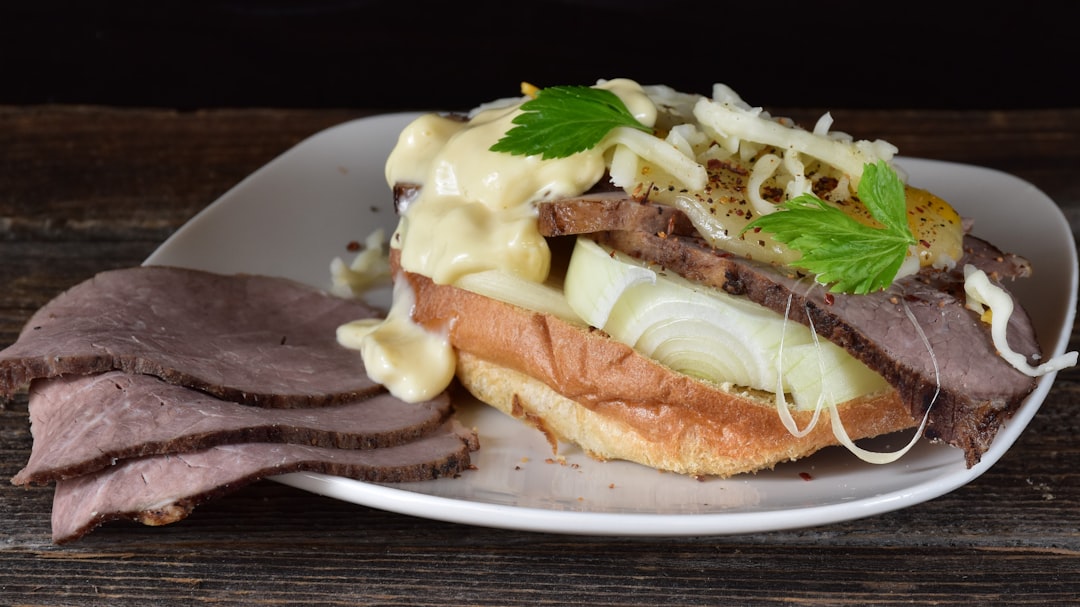 Top recipe
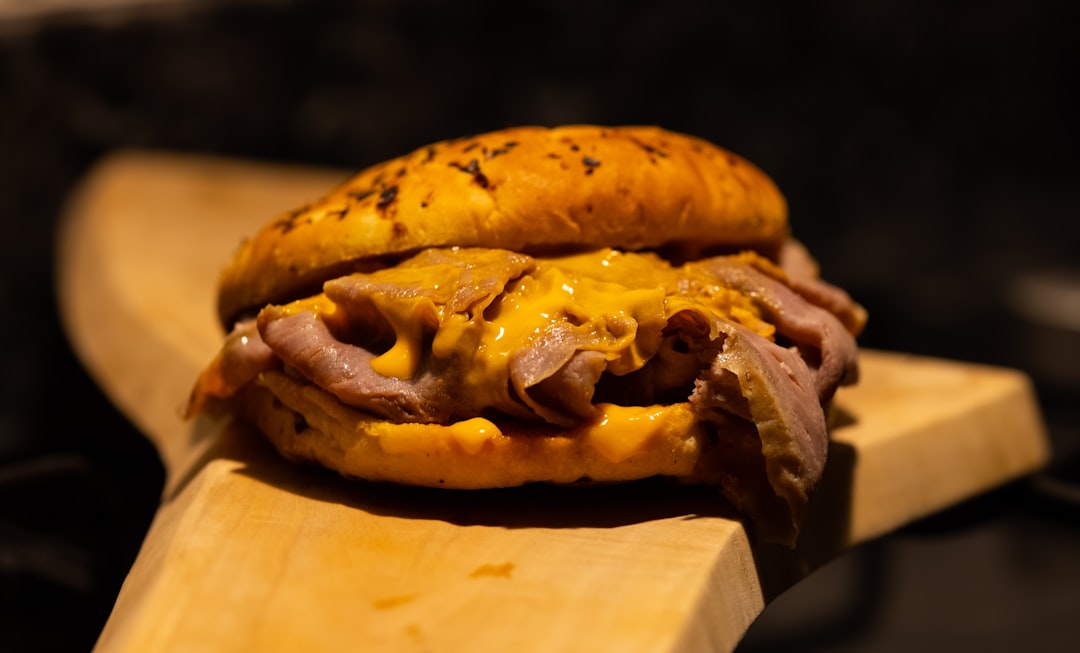
French Dip Sandwich
Tender roast beef stacked on toasted bread with a rich, savory au jus for dipping. A classic deli favorite that feels fancy but comes together in minutes.
Ingredients
- •beef broth
- •Worcestershire sauce
- •garlic cloves, minced
- •deli roast beef, sliced thin
- •sub rolls or baguette, halved lengthwise
Steps
- 1Pour 2 cups of beef broth and 1 tablespoon of Worcestershire sauce into a small saucepan and set it on the stove over medium-high heat.
- 2Mince 2 garlic cloves until the pieces are smaller than a grain of rice, then add them to the broth.
- 3Bring the broth to a gentle simmer—you'll see small bubbles breaking the surface steadily—then reduce the heat to low and keep it warm, about 2 minutes.
- 4Split 4 sub rolls or baguette pieces lengthwise and place them cut-side up on a sheet pan, then set the pan under a preheated broiler 4 inches from the heat source.
- 5Broil until the bread turns golden brown with dark speckles on the cut surfaces, about 2 to 3 minutes—watch to prevent burning.
- 6Remove the pan from the broiler and divide 1 pound of thin-sliced deli roast beef evenly across the 4 bread pieces, piling the meat into a mound on the bottom half of each.
- 7Cover each sandwich with the top half of bread, then place each sandwich on a serving plate with a small bowl of warm au jus positioned to the right for dipping.
Why this works
The best beef sandwiches are not really about the beef and the bread. They are about what happens between them. Roast beef gives off a great deal of savoury liquid, and bread is the only component that can absorb it without immediately turning to mush. A French dip makes this explicit — the jus arrives in a bowl and the sandwich is dunked — but the same principle is quietly at work in a hot roast beef sandwich, where the juices soak downward and season the bread from the inside.
The cut and the slice matter more than most people expect. Beef muscle fibres run in long bundles, and a thick slice cut with the grain is genuinely hard to bite through in a sandwich, where you have no knife and the bread is fighting back. Slicing thinly and across the grain shortens those fibres so each bite gives way. This is why deli beef is shaved rather than carved, and why a good tri-tip sandwich recipe specifies the direction of the cut.
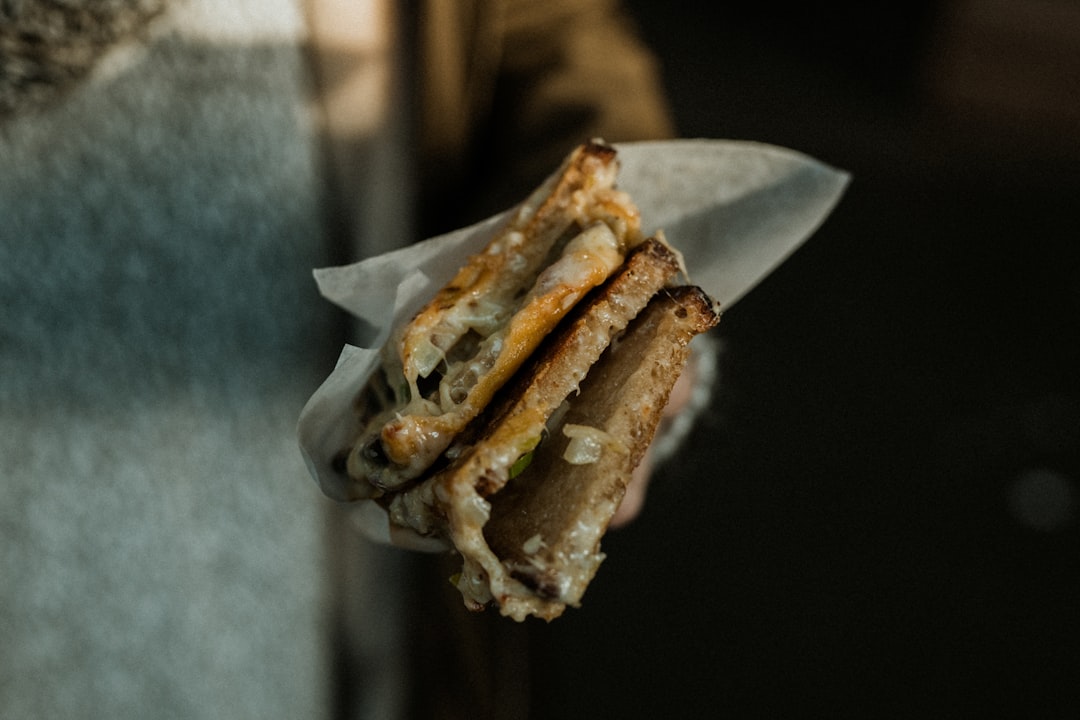
The griddled sandwiches work on a different principle. In a Reuben or a patty melt, buttered bread is pressed against a hot surface until its starches brown and the crumb dries into a rigid shell. That shell is what lets the sandwich carry wet fillings — melted cheese, sauerkraut, fried onions — without collapsing halfway through.
Acid is the last common thread. Beef is fatty and rich, and every classic here brings something sharp against it: sauerkraut and Russian dressing, pickles, or the vinegar-pickled vegetables in a banh mi. Custrd matches your beef and bread against tested recipes and shows what else each needs.
More you can make
Tap any of these to open them in Custrd — try it free for 7 days.
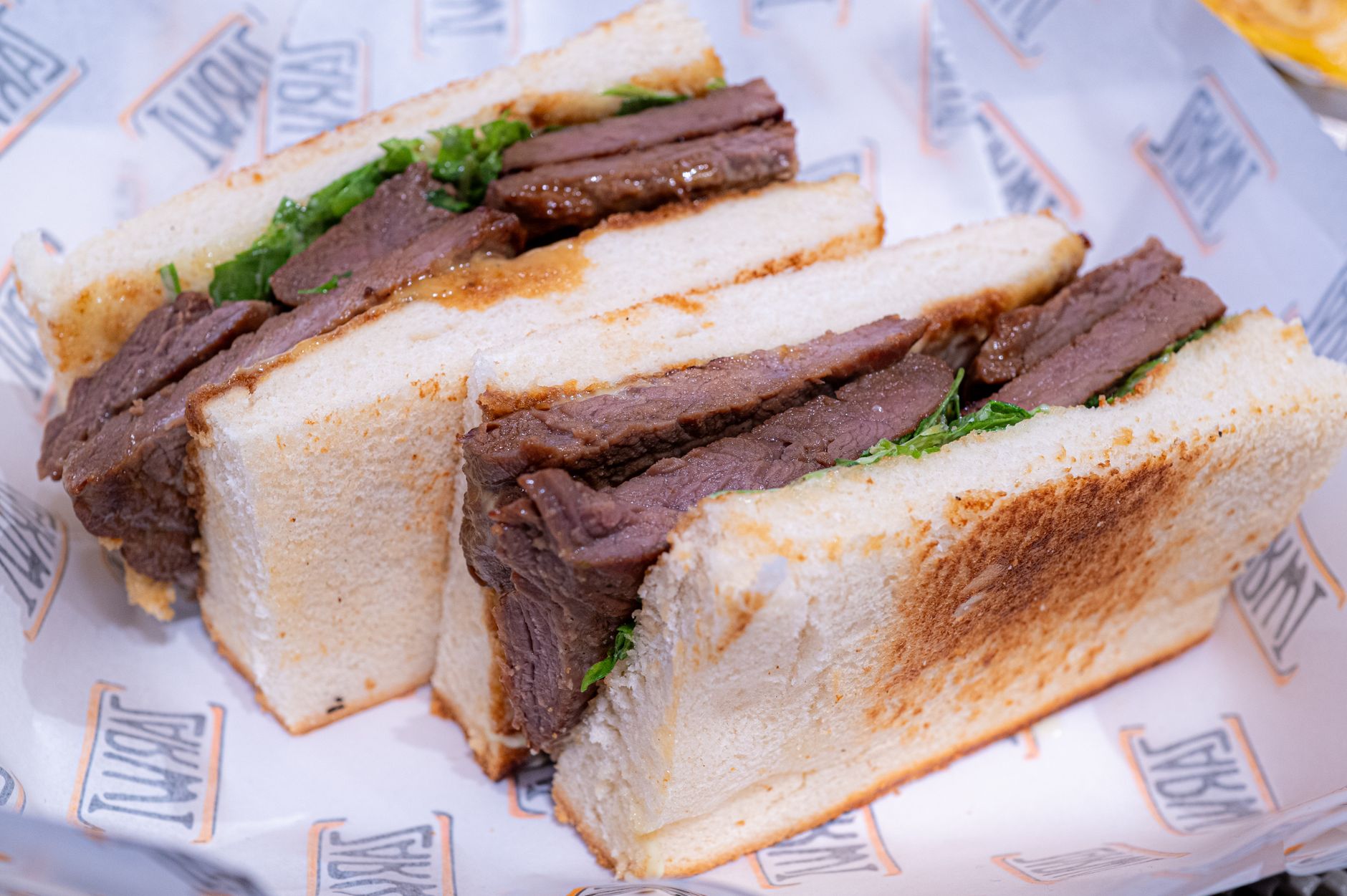
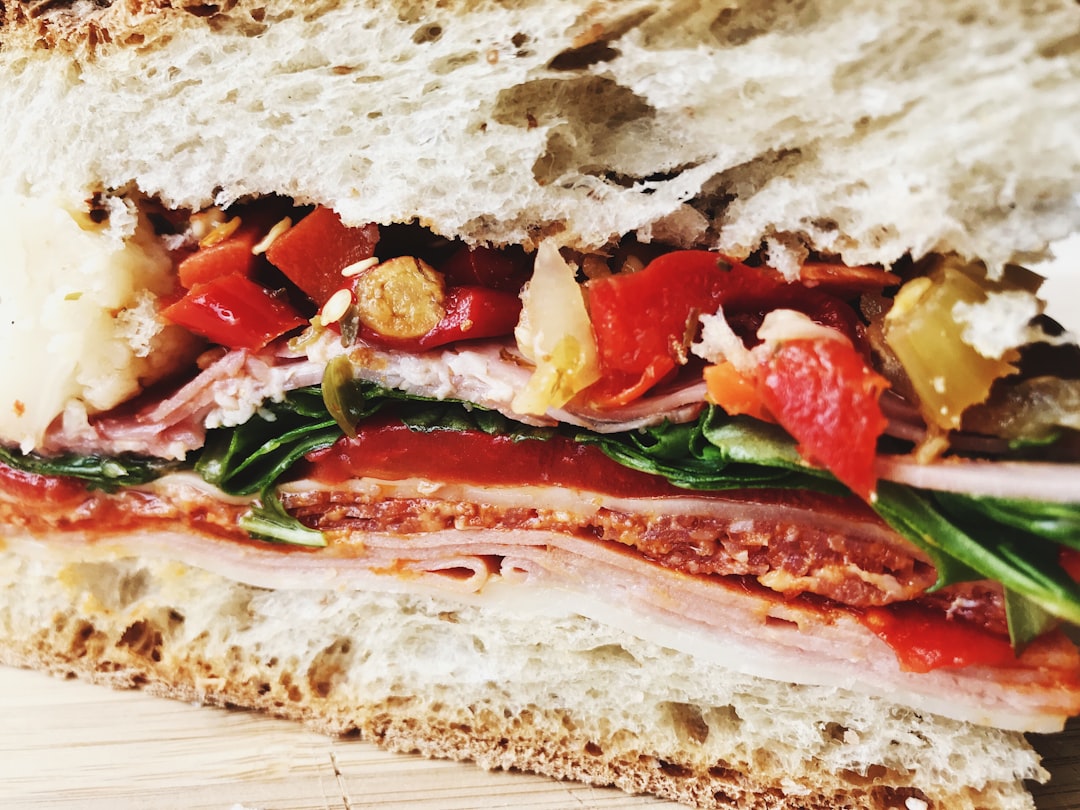
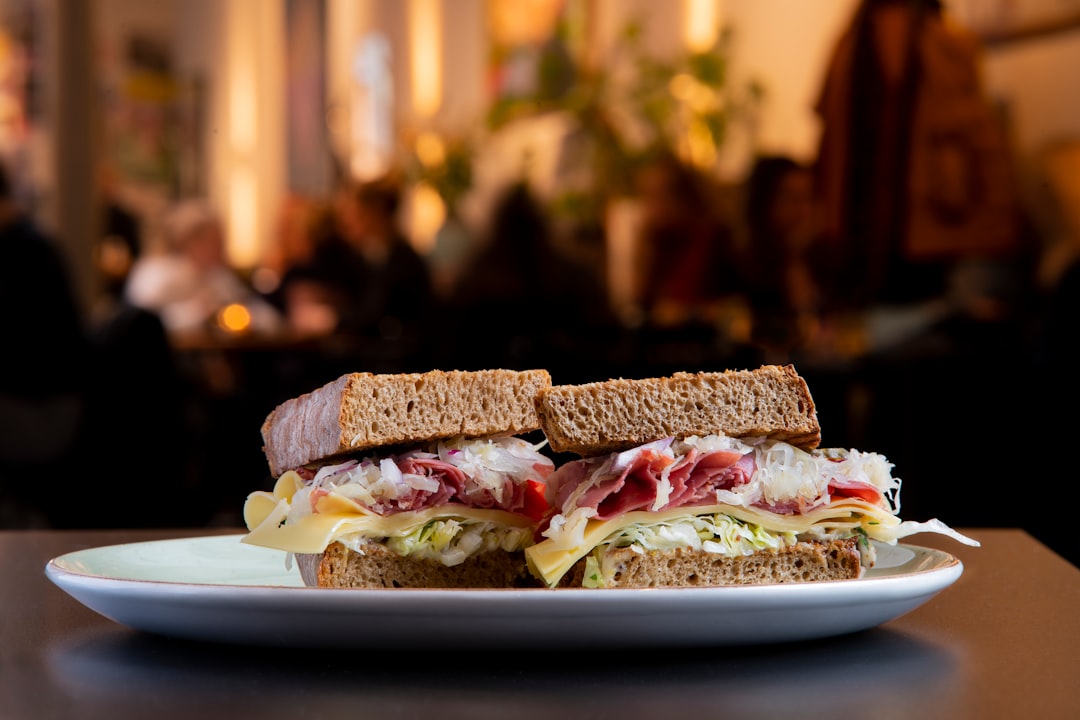
More recipes you can make
More dishes that use these ingredients, from a large public recipe collection. Ingredients and nutrition here; step-by-step instructions in the Custrd app.
- Global
Roasted Garlic Burger
Uses 2 of yours85 min1816 cal - Global
Southwest Beefy
Uses 2 of yours10 min386 cal - Global
Hanky Pankies
Uses 2 of yours35 min126 cal - Global
Roast Beef Wafflewich
Uses 2 of yours10 min242 cal - Global
Easy Cheesy Beef Toasts
Uses 2 of yours25 min242 cal - Global
Beef Toast
Uses 2 of yours15 min426 cal




Have different ingredients?
Try our free ingredient finder.
Open the recipe finder →Frequently asked
How thin should the beef be sliced for a sandwich?
As thin as you can manage, and always across the grain. Long muscle fibres are difficult to bite through when the bread is fighting you, and slicing across them shortens the fibres so the meat gives way cleanly. Chill roast beef before slicing — cold meat cuts far thinner than warm.
What bread stands up to a wet filling?
A sturdy roll with a firm crust and a tight crumb — a French roll, ciabatta or rye. Soft supermarket sandwich bread disintegrates. For griddled sandwiches a dense rye or sourdough works best, because buttering and pressing it forms a rigid, crisp shell around the filling.
Can I use leftover roast beef?
Yes, and it is arguably the best use for it. Slice it cold and thin, then warm it briefly in a little stock or the reserved cooking juices rather than in a dry pan, which turns it tough and grey. Thirty seconds in hot liquid is enough to heat it through.
Related
Want 15+ more meal ideas from your ingredients?
Custrd finds dozens of recipes from a single fridge photo, with smart filters for diet, time, and macros.
Try Custrd free for 7 days