What Can I Make with Bell Pepper and Shrimp?
Peppers and shrimp are a high-heat pairing that turns up from Louisiana to Bangkok. The top match is Shrimp Fajitas, and Custrd also matched sheet pan jambalaya with sausage, Cuban shrimp in creole sauce, Cajun shrimp pasta and Thai pad pong kari. Six real, tested recipes.
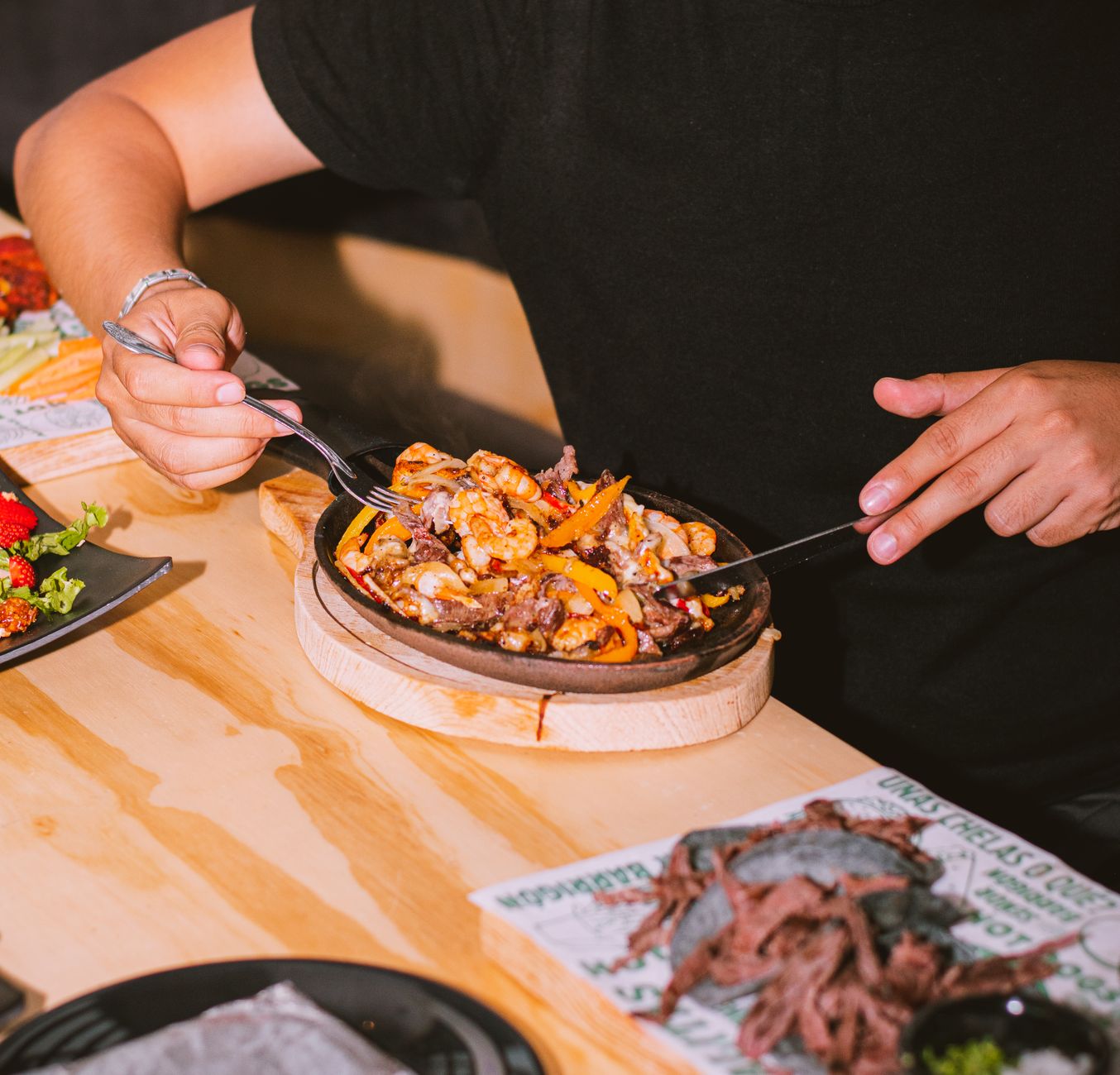 Top recipe
Shrimp Fajitas
Quick and flavorful shrimp fajitas with bell peppers and onions, ready in about 20 minutes. Perfect for a weeknight dinner.
Ingredients
- •shrimp
- •bell peppers
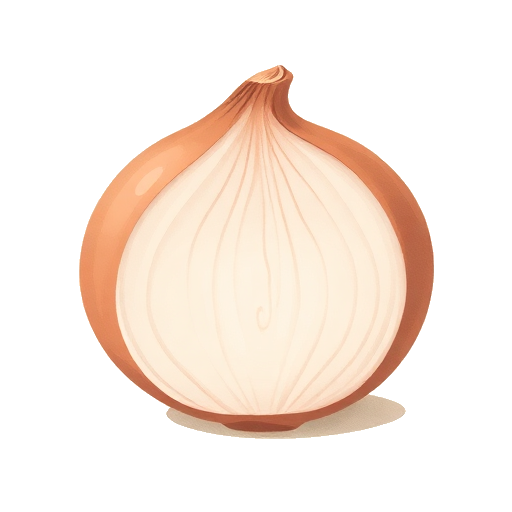
- •onion
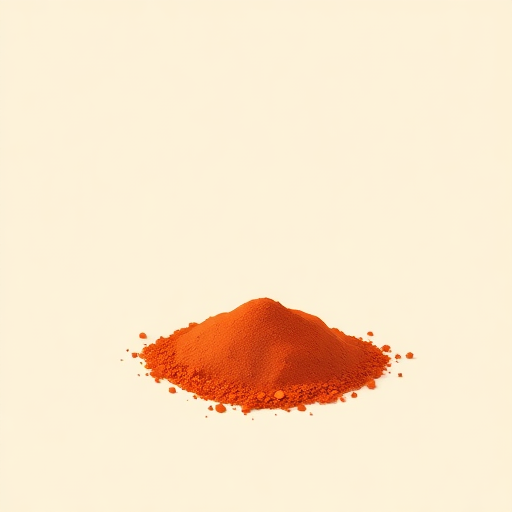
- •fajita seasoning
- •olive oil
- •flour tortillas
Steps
- 1"Pat dry 1 lb shrimp and toss with 1 tbsp fajita seasoning. Slice 2 bell peppers and 1 onion into strips."
- 2"Heat 1 tbsp olive oil in a large skillet over high heat. Add shrimp in a single layer and cook until pink and opaque, about 2-3 minutes per side. Remove to a plate."
- 3"Add remaining 1 tbsp olive oil to the skillet. Add peppers and onion, cook until crisp-tender and lightly charred, about 5-7 minutes."
- 4"Return shrimp to skillet, sprinkle with remaining 1 tbsp fajita seasoning, and toss to coat. Cook for 1 minute until heated through."
- 5"Warm 6 small tortillas in a dry skillet or microwave. Serve shrimp and veggies in tortillas with your favorite toppings."
Why this works
This is one of the few pairings where both ingredients are noticeably sweet, and understanding that explains almost every recipe built on them. Bell peppers are among the sweetest vegetables once cooked; shrimp are sweet in a different, more delicate way. Put them together with nothing else and the result is pleasant but oddly flat. Every classic version therefore brings something aggressive to push against that sweetness — smoked paprika and cayenne in Cajun cooking, cumin and citrus in fajitas, curry paste and fish sauce in the Thai versions.
The cooking is a sequencing problem. Peppers want serious heat and time: their sugars need to caramelise and their edges need to blister, which takes several minutes in a properly hot pan. Shrimp want ninety seconds and nothing more. Cook them together from the start and you end up with soft, pale peppers and rubbery shrimp. The standard approach is to char the peppers first, remove them or push them aside, sear the shrimp fast, and combine at the end.
High heat is not optional for the peppers. A crowded, moderate pan makes them release water and stew, which is how fajita vegetables end up limp and grey. Use a wide pan, cook in batches if you need to, and let them sit undisturbed long enough to take real colour.
The pepper also brings something shrimp cannot: bulk and sweetness that stretch a small amount of expensive protein into a full plate. Custrd matches the peppers and shrimp you have against tested recipes and shows what else each one calls for.
More you can make
Tap any of these to open them in Custrd — try it free for 7 days.
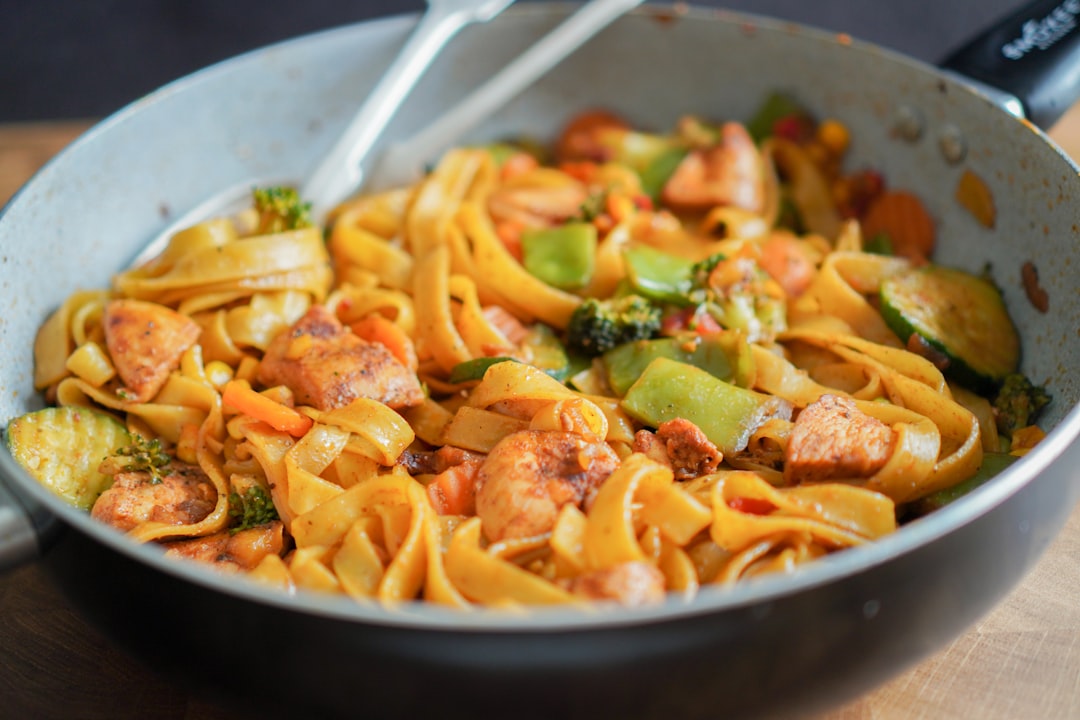
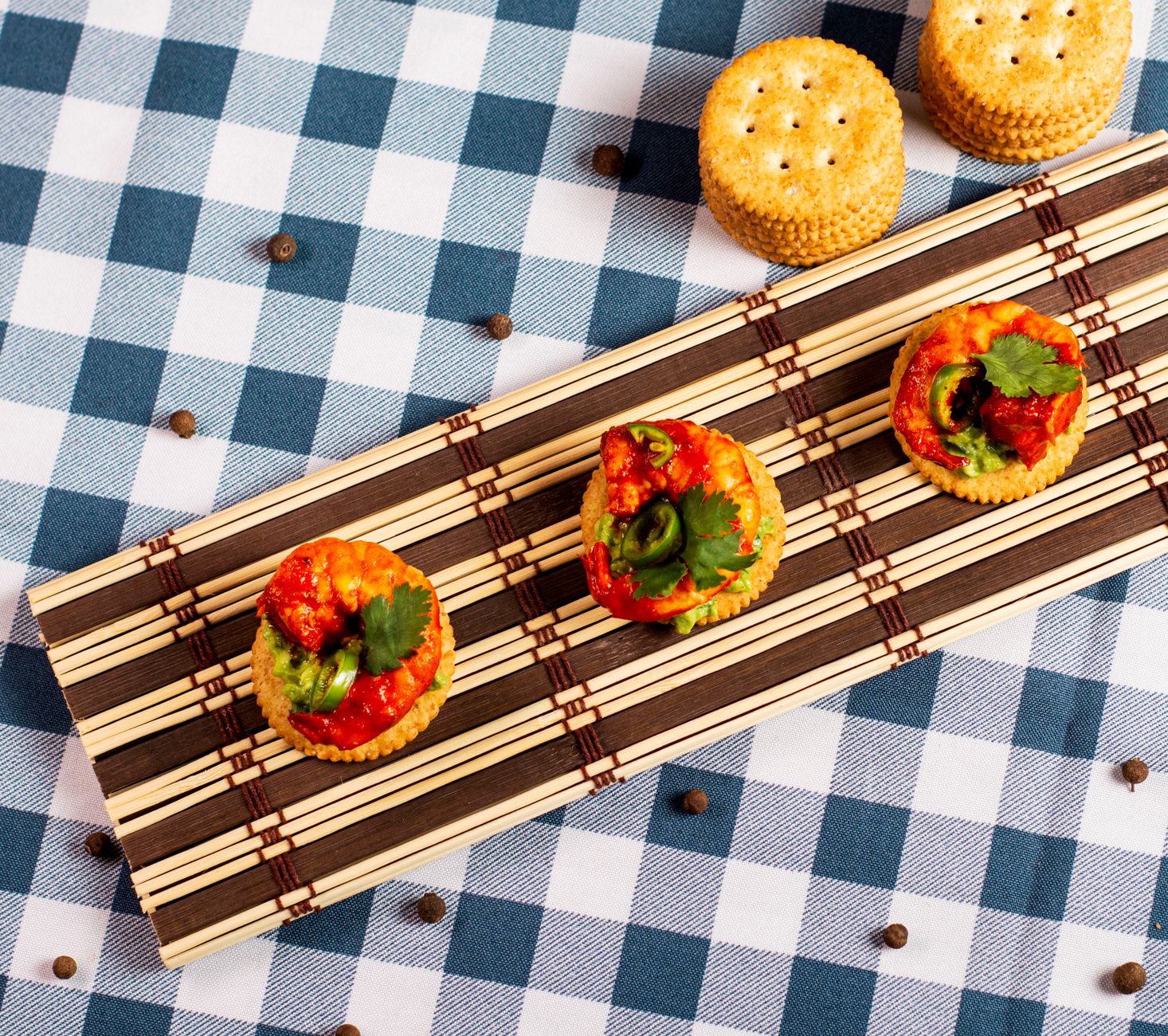
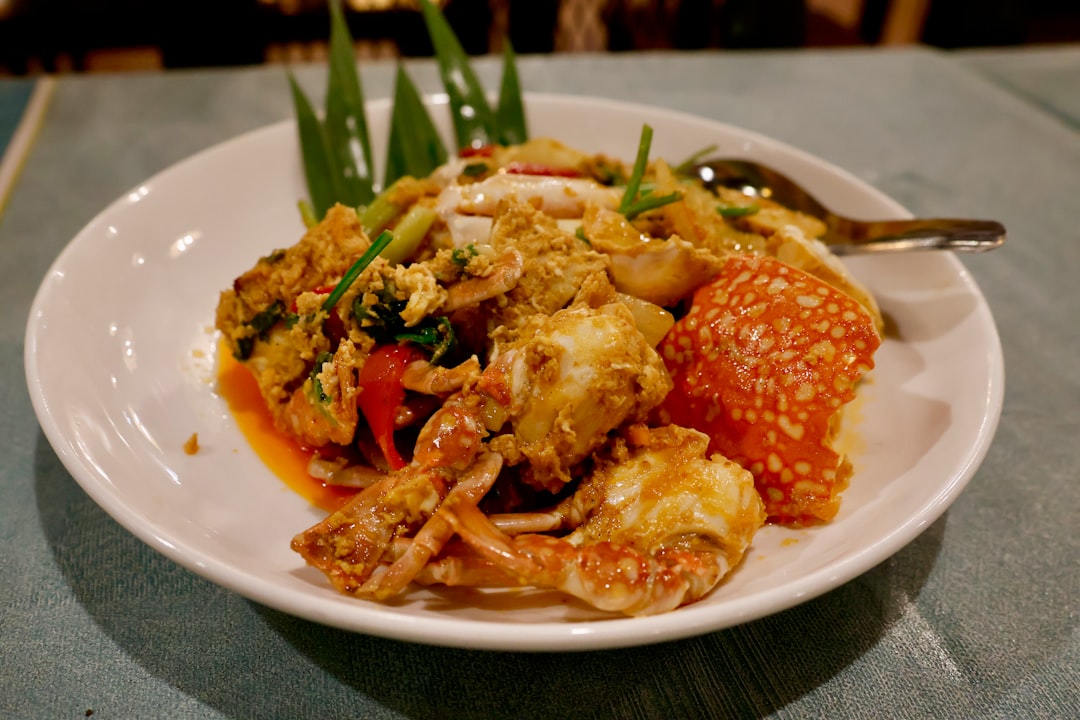

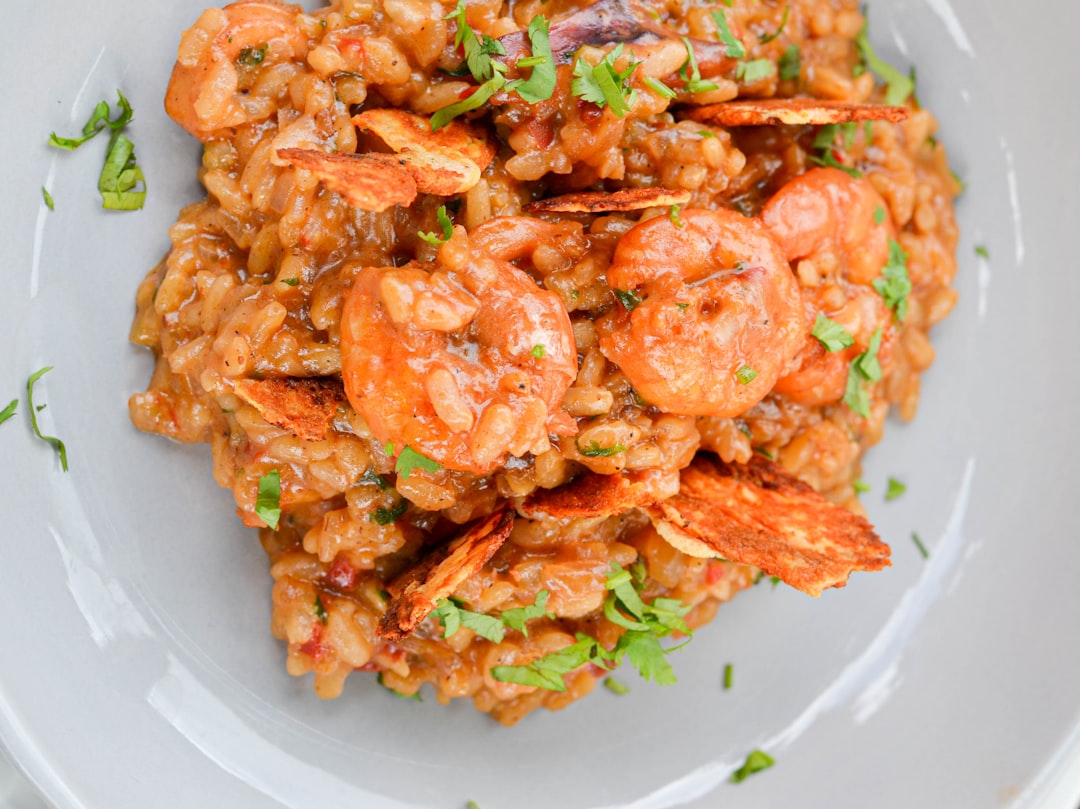
More recipes you can make
More dishes that use these ingredients, from a large public recipe collection. Ingredients and nutrition here; step-by-step instructions in the Custrd app.
- Global
Carnival Garlic Prawns
Uses 2 of yours25 min256 cal - Global
Jerk-Spiced Shrimp
Uses 2 of yours16 min260 cal - Global
Hot Shrimp Cocktail
Uses 2 of yours14 min265 cal - Global
Shrimp Kelaguen
Uses 2 of yours40 min106 cal - Global
Easy Shrimp Creole
Uses 2 of yours30 min540 cal - Global
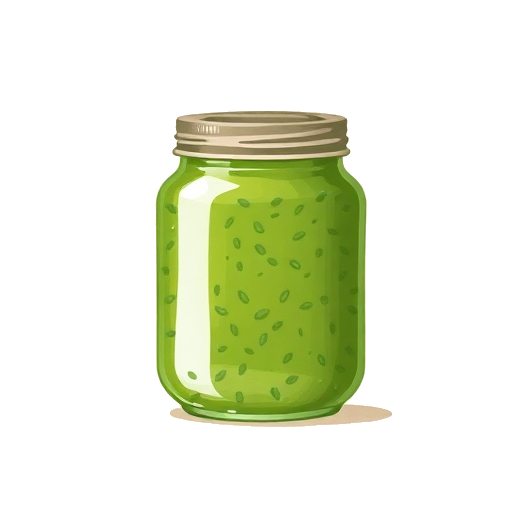
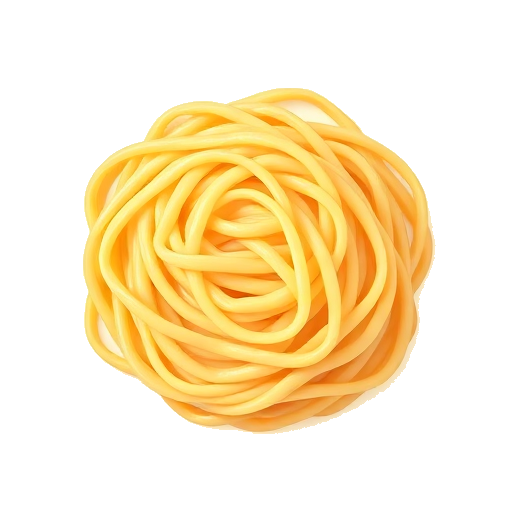
Pesto Shrimp Primavera
Uses 2 of yours40 min309 cal
Have different ingredients?
Try our free ingredient finder.
Open the recipe finder →Frequently asked
Should peppers and shrimp go in the pan together?
No. Peppers need several minutes of high heat to blister and sweeten; shrimp need about ninety seconds. Char the peppers first, move them to one side or out of the pan entirely, sear the shrimp fast, then bring everything back together for a final toss off the heat.
Why do my fajita peppers go limp instead of charring?
Crowding and moderate heat. Peppers release water, and if the pan is packed or not hot enough that water cannot evaporate, so they stew. Use the widest pan you have, cook in two batches if needed, and leave them undisturbed until one face has blackened slightly.
What balances the sweetness of this pair?
Heat, smoke or acid — pick at least one. Both peppers and shrimp are sweet, so a dish built on them alone tastes one-note. Smoked paprika and cayenne, a squeeze of citrus, or a spoonful of curry paste with fish sauce all give the sweetness something to work against.
Related
Want 15+ more meal ideas from your ingredients?
Custrd finds dozens of recipes from a single fridge photo, with smart filters for diet, time, and macros.
Try Custrd free for 7 days