What Can I Make with Bell Pepper and Zucchini?
Peppers and zucchini are the base of almost every Mediterranean stewed-vegetable dish there is. The strongest match is Ratatouille, and Custrd also matched Spanish pisto manchego, Catalan samfaina, sheet-pan Greek briam and pasta primavera. Six tested recipes rather than AI guesses.
 Top recipe
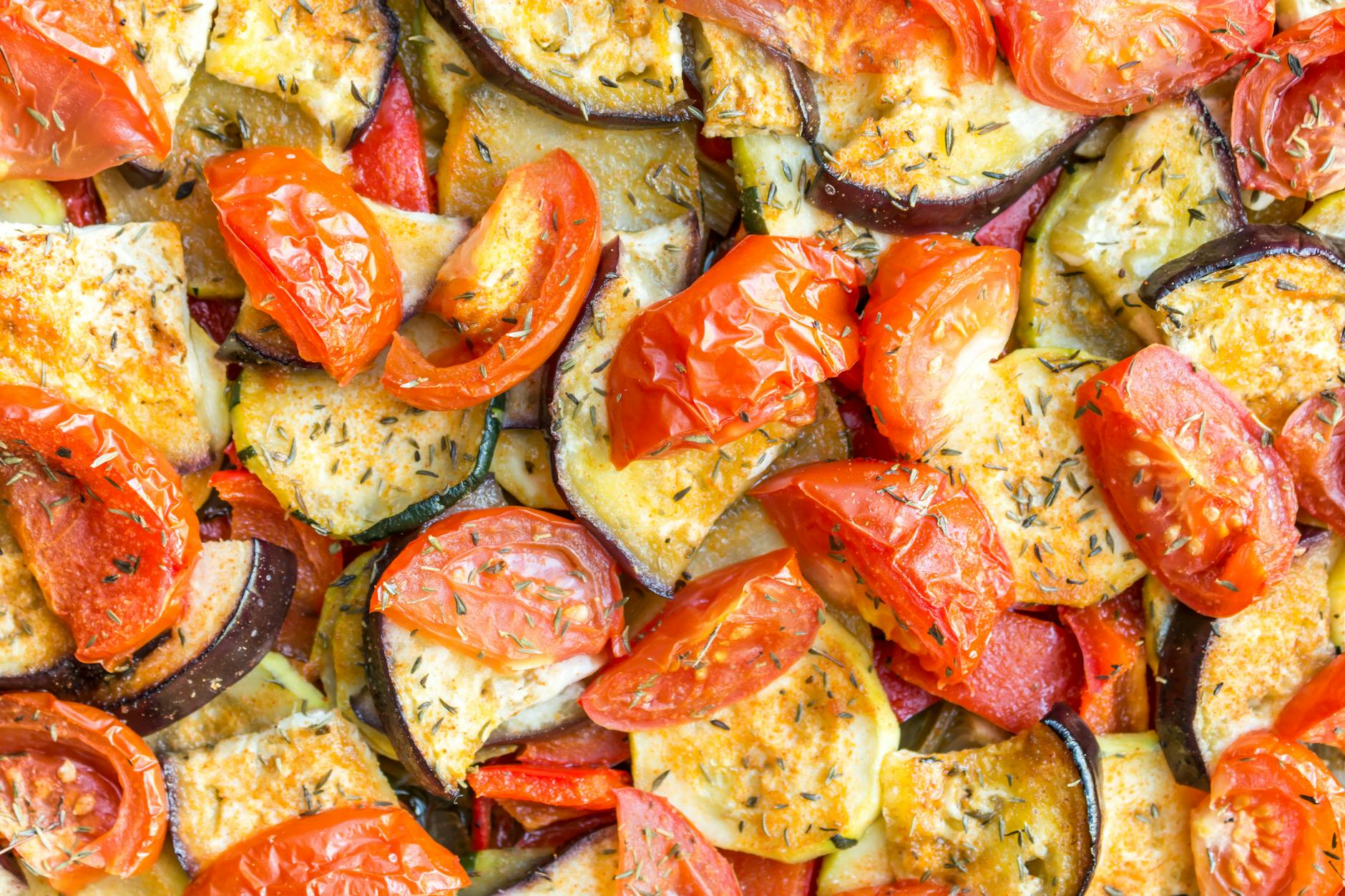
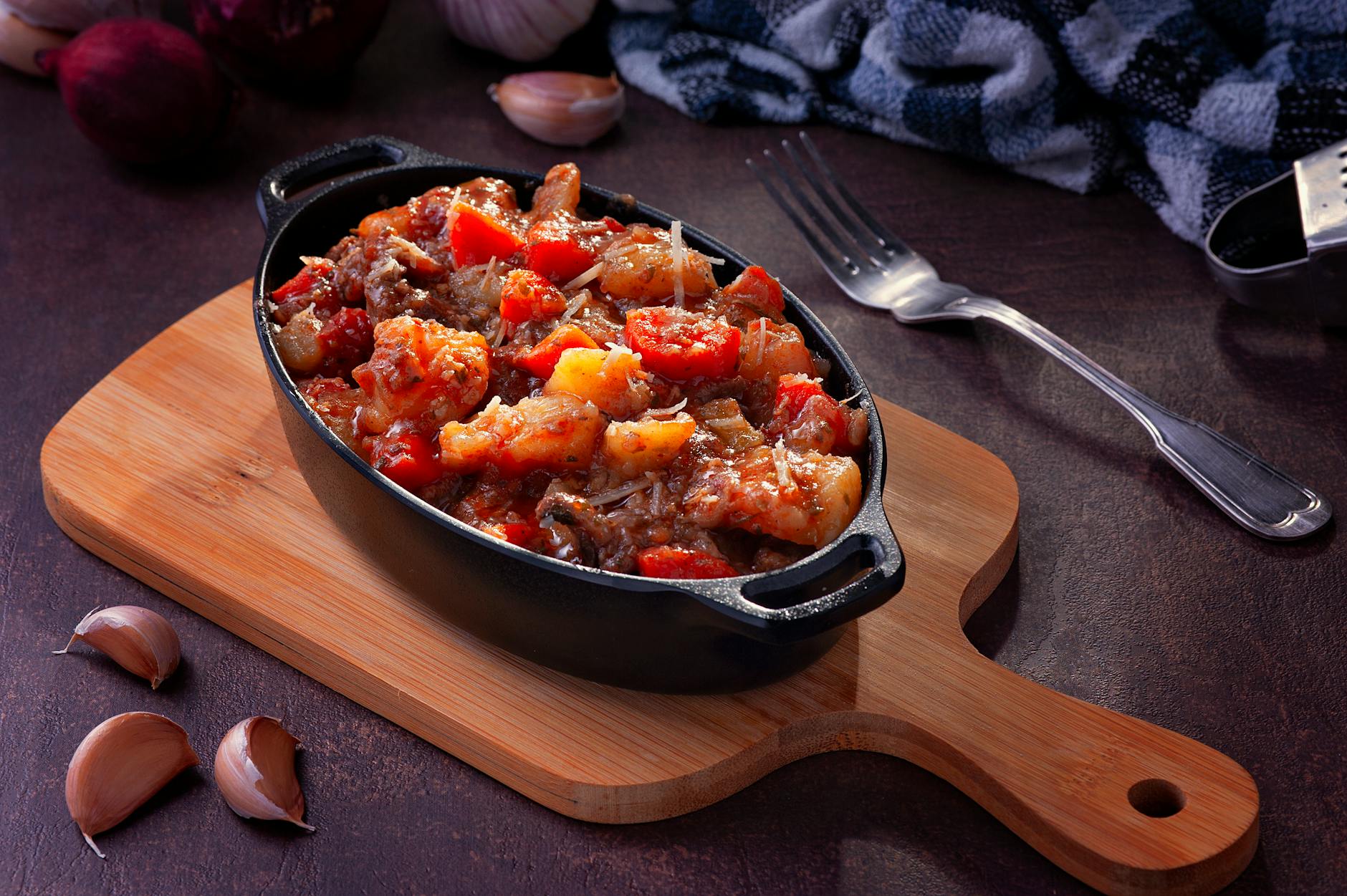
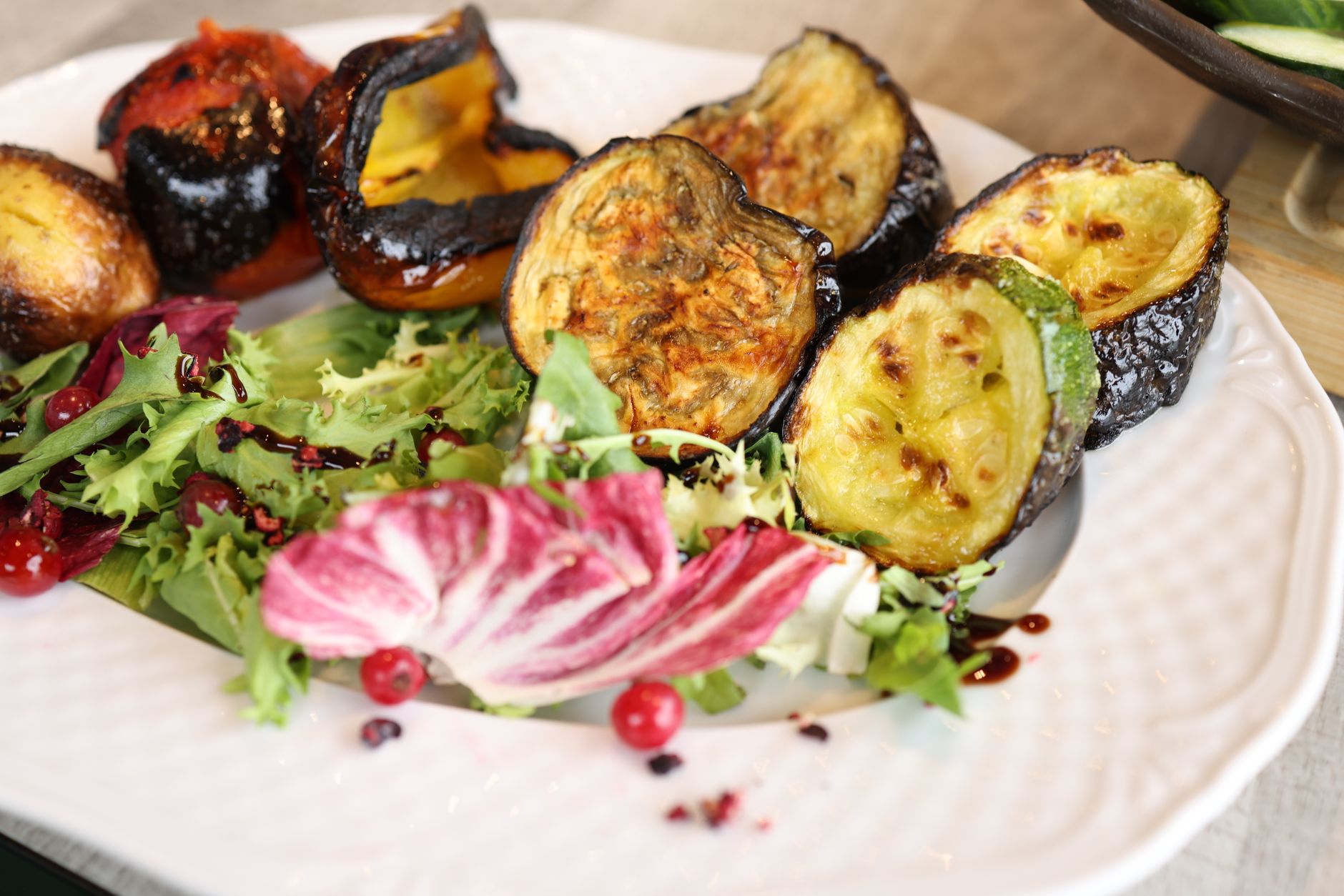
Ratatouille
A rustic Provençal vegetable stew where eggplant, zucchini, and tomatoes cook down into a silky, aromatic base. Served warm or at room temperature, it's naturally vegetarian and deeply satisfying.
Ingredients
- •eggplant
- •zucchini
- •red bell pepper
- •yellow onion
- •garlic cloves
- •canned crushed tomatoes
- •olive oil
- •fresh basil leaves
- •salt
- •black pepper
Steps
- 1Cut the eggplant lengthwise (from top to bottom) into quarters, then slice each quarter crosswise into 3/4-inch chunks about the size of a marble.
- 2Place each zucchini on the cutting board and slice crosswise (cutting round slices) into 3/4-inch-thick half-moons; discard the very ends.
- 3Cut the bell pepper lengthwise from top to bottom into quarters; cut out the white seed core and discard; slice each quarter crosswise into 3/4-inch chunks.
- 4Slice the onion in half from root to tip, place flat-side down, and slice crosswise (perpendicular to the root) into 1/4-inch-thick strips.
- 5Mince the garlic cloves until the pieces are smaller than a grain of rice—about the size of pencil-tip dots.
- 6Pour 2 tablespoons of olive oil into a large, heavy-bottomed pot and heat over medium-high until the oil shimmers and moves quickly when you tilt the pan, about 90 seconds.
- 7Add the eggplant chunks and cook, stirring once every 45 seconds, until they turn light golden brown on multiple sides, about 5 minutes; slide them onto a clean plate.
- 8Pour 2 tablespoons of olive oil into the now-empty pot over medium-high heat; when the oil shimmers, add the zucchini and cook, stirring every 45 seconds, until light golden, about 4 minutes; transfer to the plate with the eggplant.
- 9Pour the remaining 1 tablespoon of olive oil into the pot; add the onion and bell pepper pieces and cook, stirring once every 30 seconds, until they soften and the onion becomes translucent, about 5 minutes.
- 10Add the minced garlic to the pot and stir constantly for 30 seconds until the kitchen smells strongly fragrant.
- 11Pour the entire can of crushed tomatoes (with juice) into the pot and stir to combine; scrape any stuck-on brown bits from the bottom with a wooden spoon.
- 12Return the eggplant and zucchini to the pot and stir gently until all pieces are coated with the tomato mixture.
- 13Reduce the heat to medium-low, cover the pot with the lid slightly ajar, and simmer gently, stirring once every 3 minutes, until the vegetables are very tender and the sauce has darkened to deep red-brown, about 20 minutes.
- 14Remove the pot from the heat and stir in 1 teaspoon of salt and 0.5 teaspoon of black pepper; taste a spoonful and add more salt or pepper if needed.
- 15Tear the fresh basil leaves by hand into small pieces and scatter them over the surface of the ratatouille; do not stir them in.
- 16Ladle the ratatouille into shallow bowls or plates, allowing the basil to rest on top, and serve warm or at room temperature.
Why this works
These two share a season and a region but not a cooking time, and that single mismatch explains why the classic recipes are fussier than they look. Bell peppers are firm, sweet and relatively low in water; they take a long time to soften and they reward it with real caramelisation. Zucchini is more than 90 percent water and collapses into mush in a fraction of that time. Cook them together from the start and you get either raw pepper or disintegrated zucchini.
The traditional answer, and the reason a proper ratatouille takes longer than it looks like it should, is to cook each vegetable separately in oil until it is right, then combine them at the end for a short simmer so the flavours meet without anything overcooking further. Pisto and samfaina follow the same discipline. A sheet-pan briam solves it differently, staggering the trays or cutting the zucchini in much thicker pieces so both finish together.
Salt is the other lever. Salting zucchini and letting it drain for twenty minutes pulls out enough water that it browns instead of steaming, which is the difference between a stew that tastes concentrated and one that tastes washed out. Peppers do not need this; their job is to release sugar slowly into the oil, and that is what gives these dishes their sweetness and their depth of colour.
Olive oil is not optional here. Both vegetables are lean and mild, and the oil is the medium that carries their flavour and supplies the richness they lack. Custrd matches the peppers and zucchini you have against tested recipes and shows what else each one calls for.
More you can make
Tap any of these to open them in Custrd — try it free for 7 days.
More recipes you can make
More dishes that use these ingredients, from a large public recipe collection. Ingredients and nutrition here; step-by-step instructions in the Custrd app.
- Global
Quick Roasted Vegetables
Uses 2 of yours70 min219 cal - Global
Squash and pepper saute
Uses 2 of yours9 min104 cal - Global
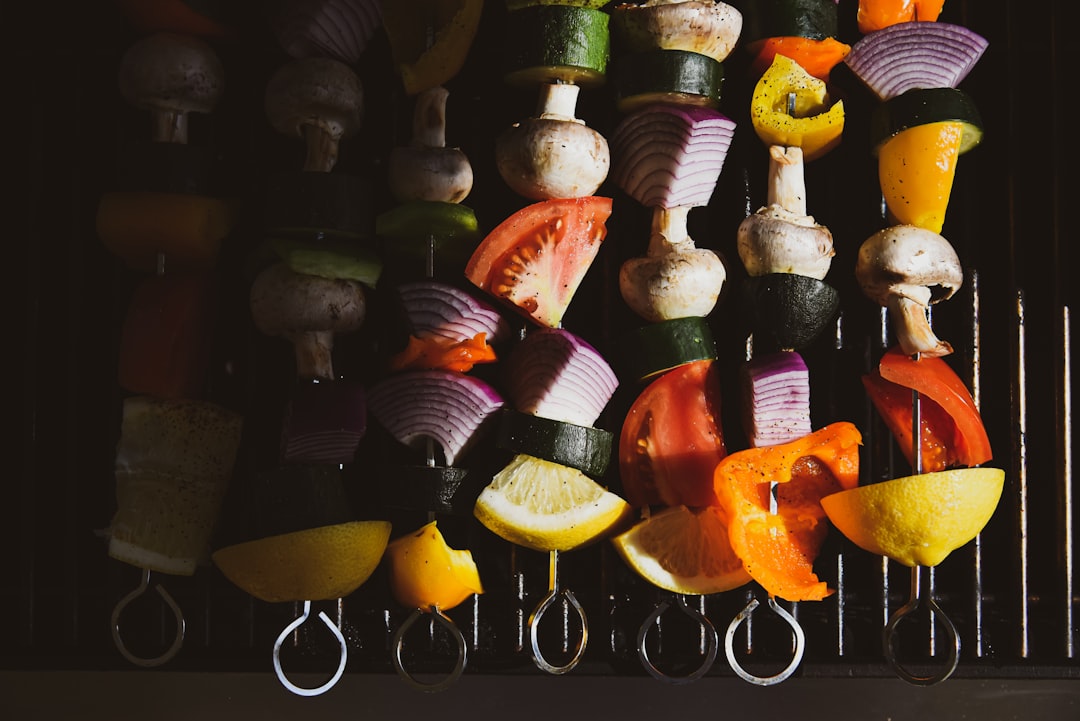
Zucchini and Squash on the Grill!
Uses 2 of yours25 min177 cal - Global
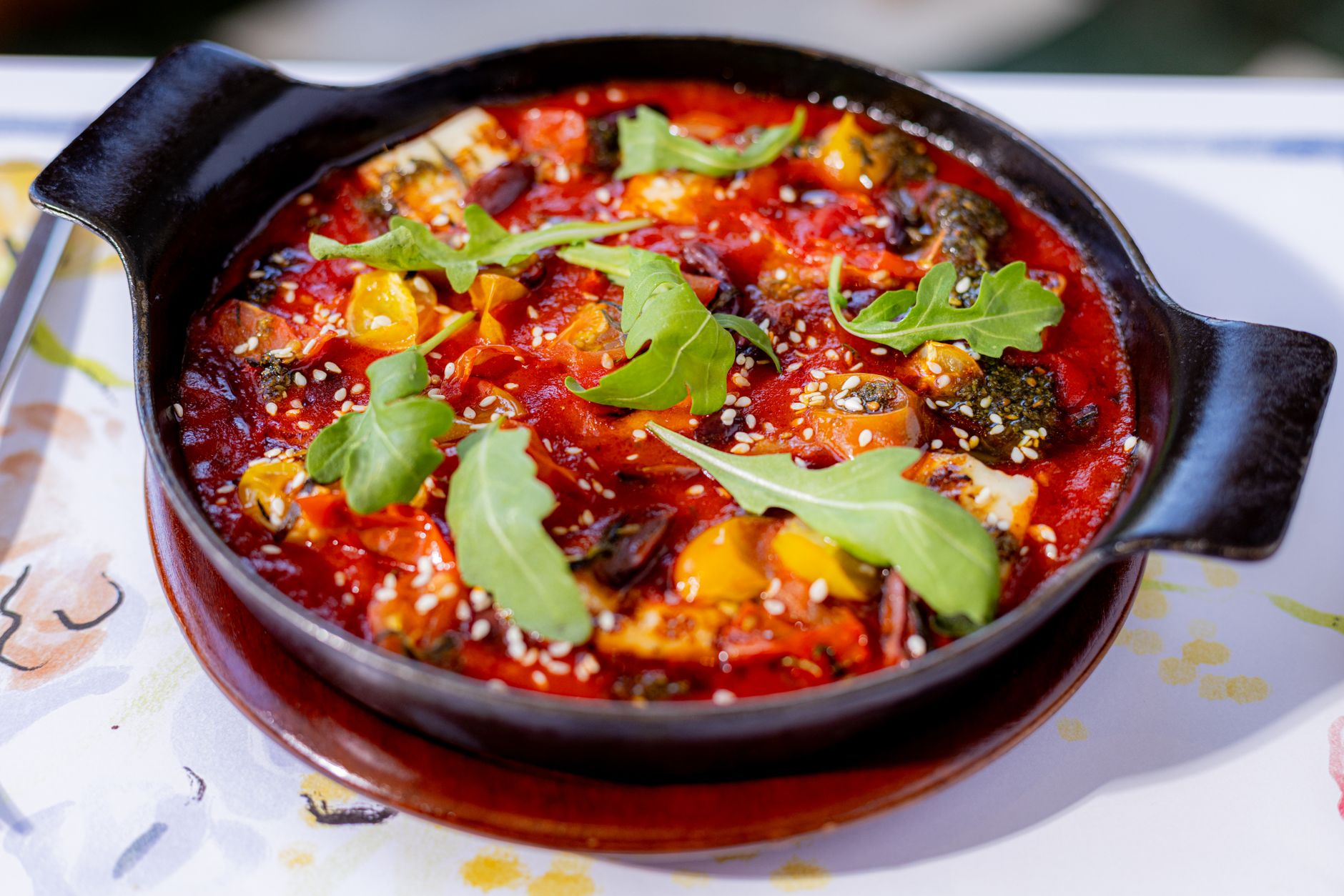
Baked Zucchini with Tomatoes
Uses 2 of yours35 min172 cal - Global
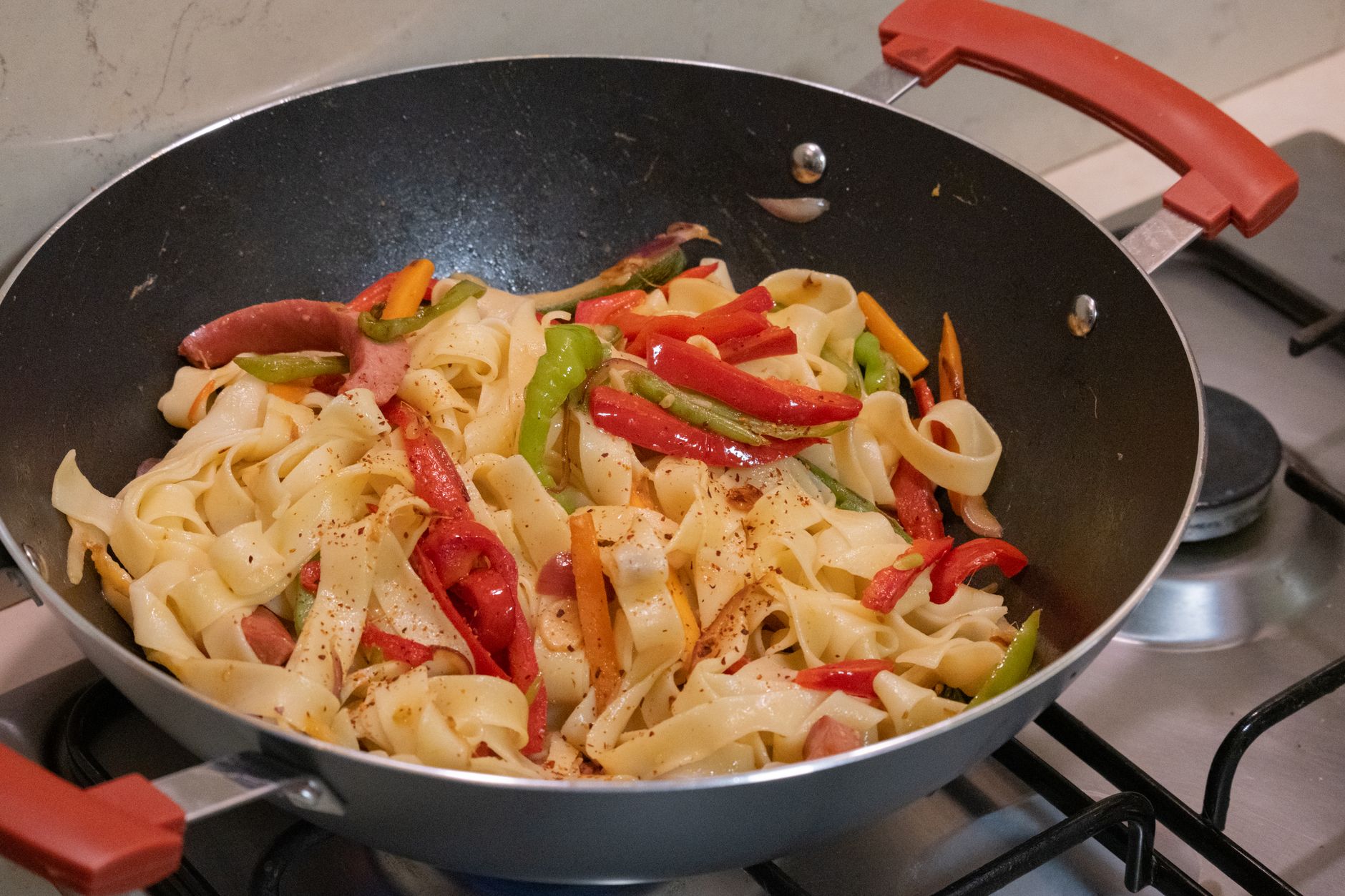
Vegetable Stir-Fry
Uses 2 of yours11 min66 cal - Global
Peas and Zucchini
Uses 2 of yours26 min174 cal
Have different ingredients?
Try our free ingredient finder.
Open the recipe finder →Frequently asked
Should I cook them together or separately?
Separately, if you want a proper ratatouille or pisto. Peppers need far longer than zucchini, so one pan means one of the two will be wrong. Cook each in oil until done, then combine for a short simmer. If you must use a single pan, start the peppers well ahead of the zucchini.
Do I need to salt the zucchini first?
For anything roasted or fried, yes. Zucchini is over 90 percent water and will steam rather than brown. Salt the cut pieces, let them drain for twenty minutes, and pat dry. For a slow-stewed dish where you want it to break down anyway, you can reasonably skip it.
Do I have to peel the peppers?
Not for a stew, but roasting and peeling transforms the texture. Pepper skin does not soften and can end up as papery shreds in the finished dish. Char them under a grill, steam them covered for ten minutes, and the skins slip off — worth the effort for samfaina and pisto.
Related
Want 15+ more meal ideas from your ingredients?
Custrd finds dozens of recipes from a single fridge photo, with smart filters for diet, time, and macros.
Try Custrd free for 7 days