What Can I Make with Carrot and Rice?
Carrot and rice is the base of pilaf, pulao and kimbap — carrot supplies the sweetness and colour that plain rice cannot. The strongest match is a 15-Min Vegetable Pulao, and Custrd also matched Korean kimbap, a classic pilaf and chicken biryani. All 6 are recipes that have actually been cooked.
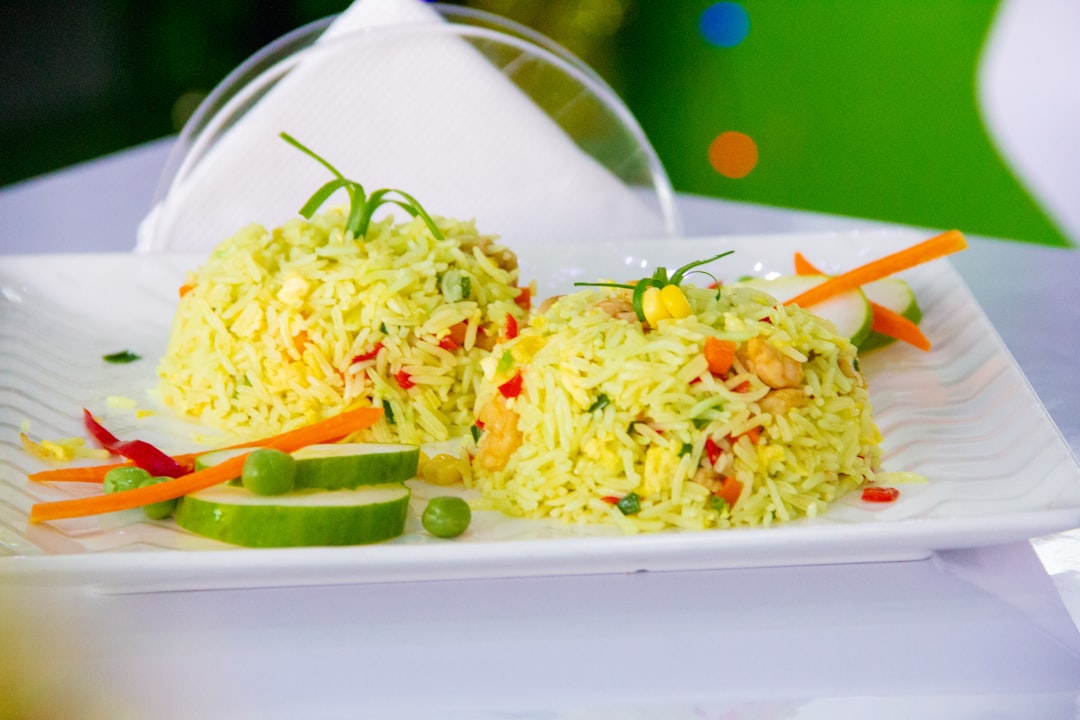 Top recipe
15-Min Vegetable Pulao with Fresh Cucumber & Carrot
Fragrant basmati rice cooked with peas, carrots, and warm spices in one pot, served with cool sliced cucumber and carrot on the side. Bright, aromatic, and done in 15 minutes.
Ingredients
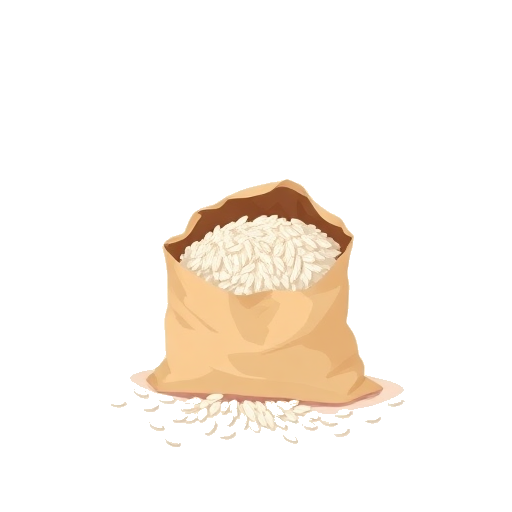
- •basmati rice
- •frozen peas and carrots
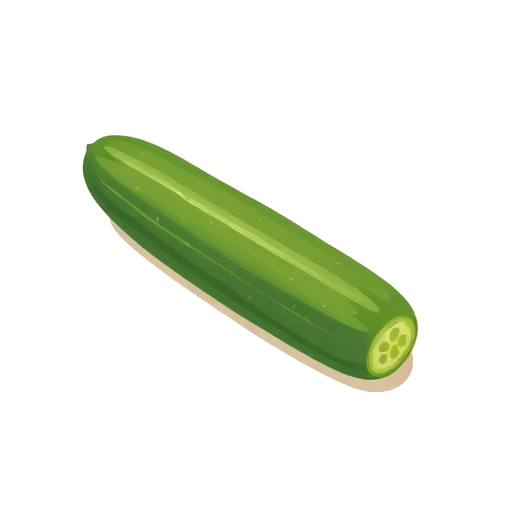
- •cucumber
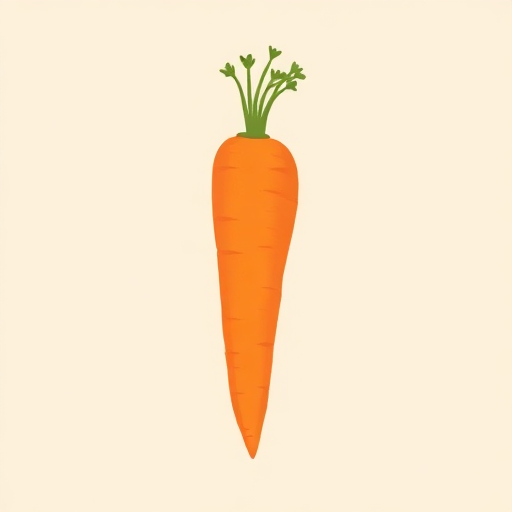
- •carrot
- •cumin seeds
- •bay leaf
Steps
- 1Rinse basmati rice under cold water until water runs clear, about 1 minute.
- 2Heat 2 tbsp oil in a large skillet over medium-high heat until shimmering.
- 3Add cumin seeds and bay leaf. When seeds crackle and smell fragrant, add the rinsed rice.
- 4Stir rice for 90 seconds until coated and slightly translucent at the edges.
- 5Pour in 1.75 cups water and bring to a boil. Add salt to taste, then reduce heat to low.
- 6Cover tightly and simmer for 9 minutes until rice is tender and water is absorbed.
- 7Stir in frozen peas and carrots, then cover for 1 minute to heat through.
- 8While rice cooks, slice cucumber and carrot into thin rounds.
- 9Fluff pulao with a fork. Discard bay leaf. Serve hot with sliced cucumber and carrot on the side.
Why this works
Rice is a blank. It absorbs whatever liquid and fat you cook it in and contributes almost nothing of its own. Carrot is unusually well suited to filling that gap because it is one of the sweetest common vegetables and it holds its shape through a long cook. Diced carrot softened in oil at the start of a pilaf releases sugar that browns lightly, and that browning flavours the fat, which in turn flavours every grain.
Colour matters more than cooks tend to admit. Carotene is fat-soluble, so carrot cooked in oil or ghee bleeds orange into the fat and tints the whole pot. In a pulao or biryani that warm colour is doing real work alongside turmeric and saffron. Cook the carrot in water instead and you get far less of it.
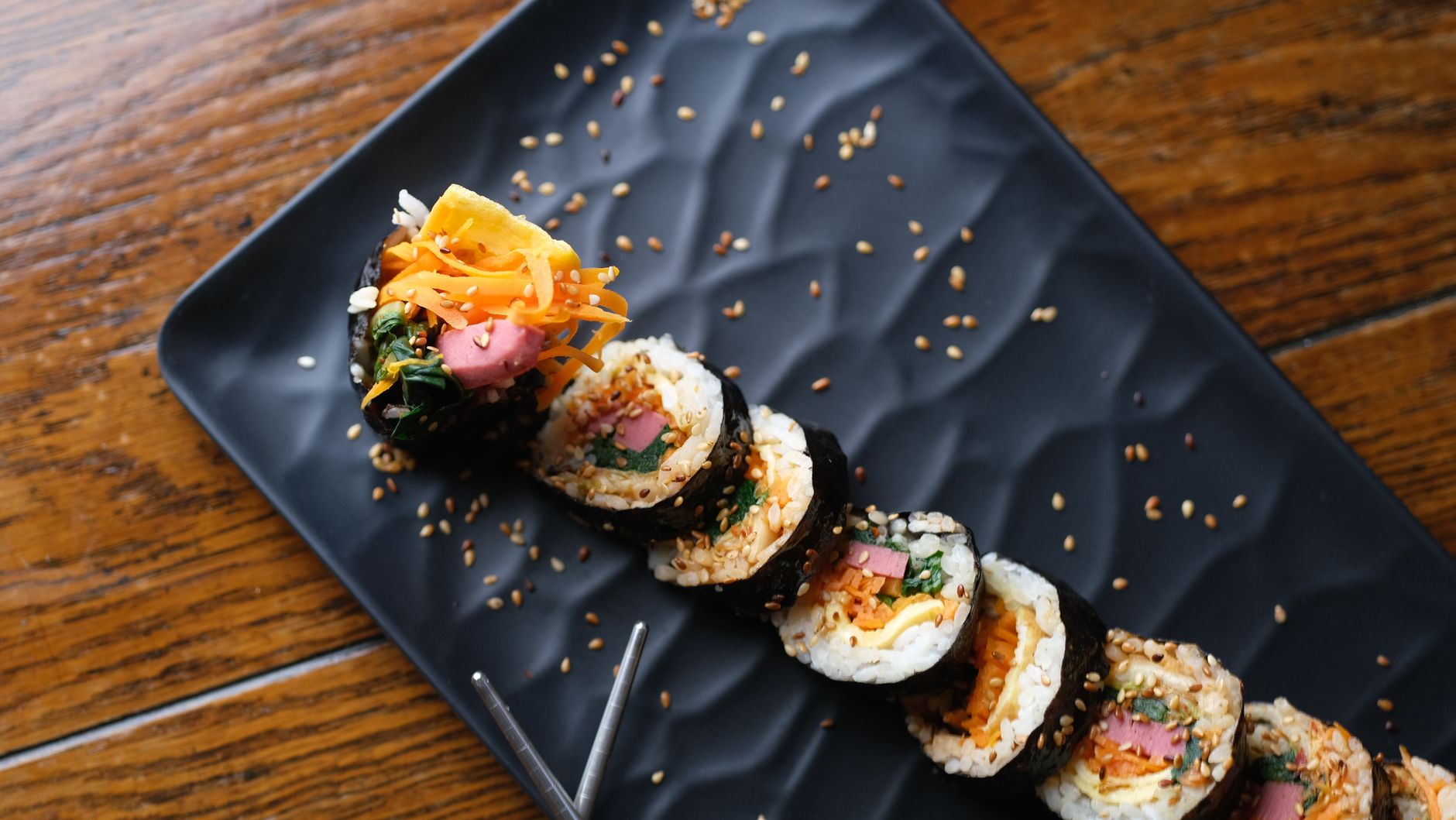
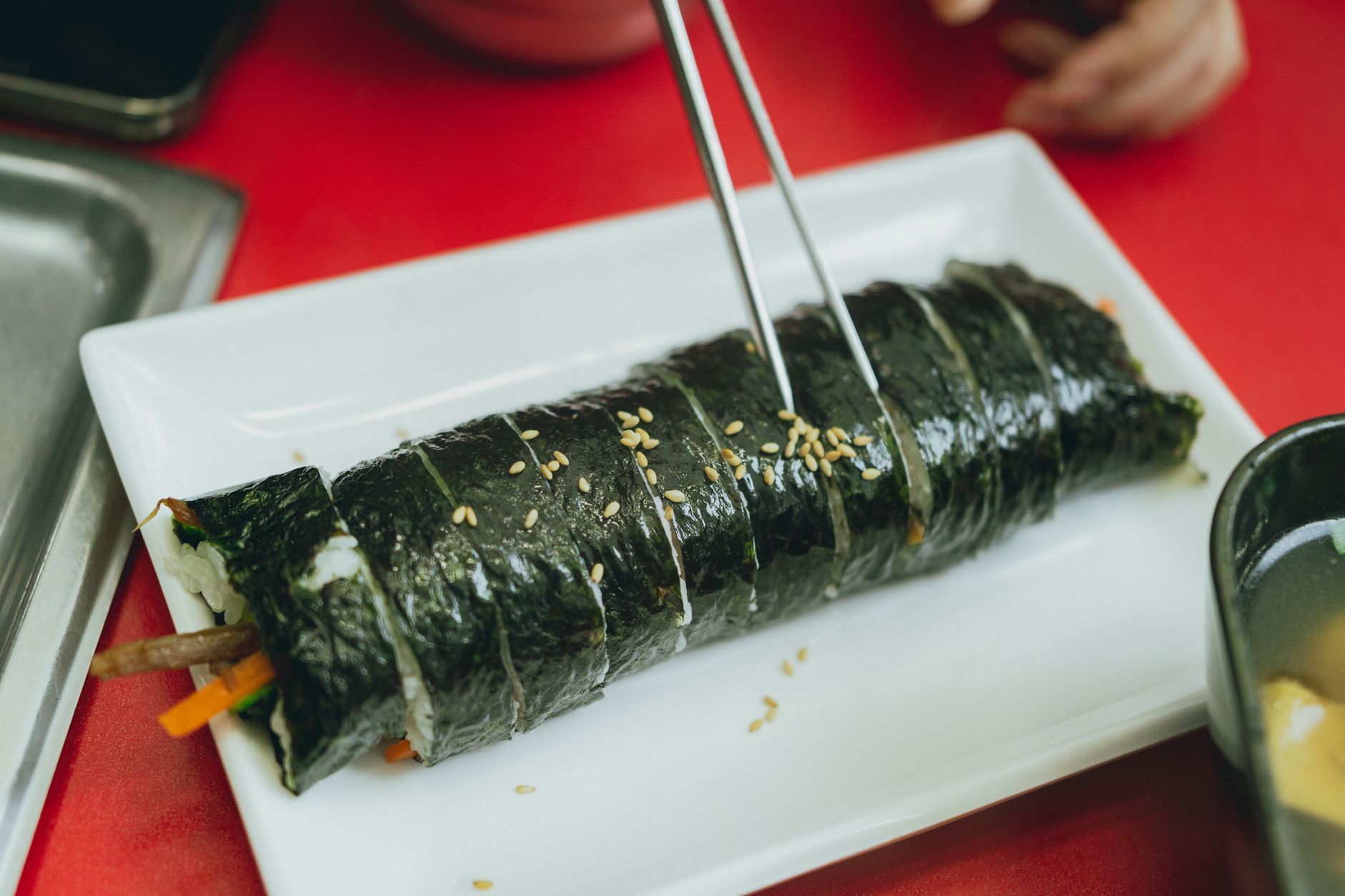
The cut decides the role. Fine dice disappears into the grain and acts purely as seasoning, which is the pilaf approach. Batons or thick coins stay identifiable and give you something to bite, which is what you want in a rice bowl or a soup. Long julienne, cooked only briefly, keeps its snap and colour as a distinct stripe — that is the kimbap and Korean seaweed roll approach, where the carrot is one visible layer among several rather than a background note.
Timing follows from the cut. Fine dice goes in with the aromatics before the rice; batons can go in with the liquid; julienne for rolls is stir-fried separately for a minute and cooled so it does not steam the rice. Custrd matches the carrots and rice you have against tested recipes and lists what else each one needs.
More you can make
Tap any of these to open them in Custrd — try it free for 7 days.


More recipes you can make
More dishes that use these ingredients, from a large public recipe collection. Ingredients and nutrition here; step-by-step instructions in the Custrd app.
- Global
Carrot Rice Puree
Uses 2 of yours45 min236 cal - Global
Turkish Leeks
Uses 2 of yours45 min336 cal - Global
Sushi for Sissies
Uses 2 of yours11 min72 cal - Global
Chicken Soup for the Lazy
Uses 2 of yours30 min546 cal - Global
Nigerian Coconut Shrimp Rice
Uses 2 of yours25 min969 cal - Global
Yakamish
Uses 2 of yours25 min393 cal
Have different ingredients?
Try our free ingredient finder.
Open the recipe finder →Frequently asked
Should the carrot go in before or with the rice?
Before, if you want flavour; with, if you want texture. Softening diced carrot in oil before adding the rice releases its sugars and colours the fat, which seasons the whole pot. Adding it later with the liquid keeps the pieces firmer and more distinct but contributes much less overall flavour.
Which rice works best with carrot?
Long-grain basmati for pilaf and biryani, because separate dry grains let the carrot read as a distinct element. Short-grain or medium-grain rice for kimbap and rice bowls, where you want the grains to cling. Avoid parboiled rice for a fragrant pilaf — it resists absorbing the flavoured fat.
Do I need to precook the carrot for kimbap?
Briefly, yes. Raw carrot julienne is too hard against soft rice and will not release its colour. Stir-fry the strips in a little oil with a pinch of salt for about a minute so they soften slightly and turn glossy, then cool them completely before rolling or they will make the rice damp.
Related
Want 15+ more meal ideas from your ingredients?
Custrd finds dozens of recipes from a single fridge photo, with smart filters for diet, time, and macros.
Try Custrd free for 7 days