What Can I Make with Coconut Milk and Shrimp?
Coconut milk and shrimp is the base of a great deal of Southeast Asian curry cooking. The strongest match is a 15-Min Laksa with Prawns and Rice Noodles, and Custrd also matched Filipino ginataang hipon, Thai pad pong kari, crispy shrimp banh xeo and curry shrimp with coconut rice. Six tested recipes.
 Top recipe
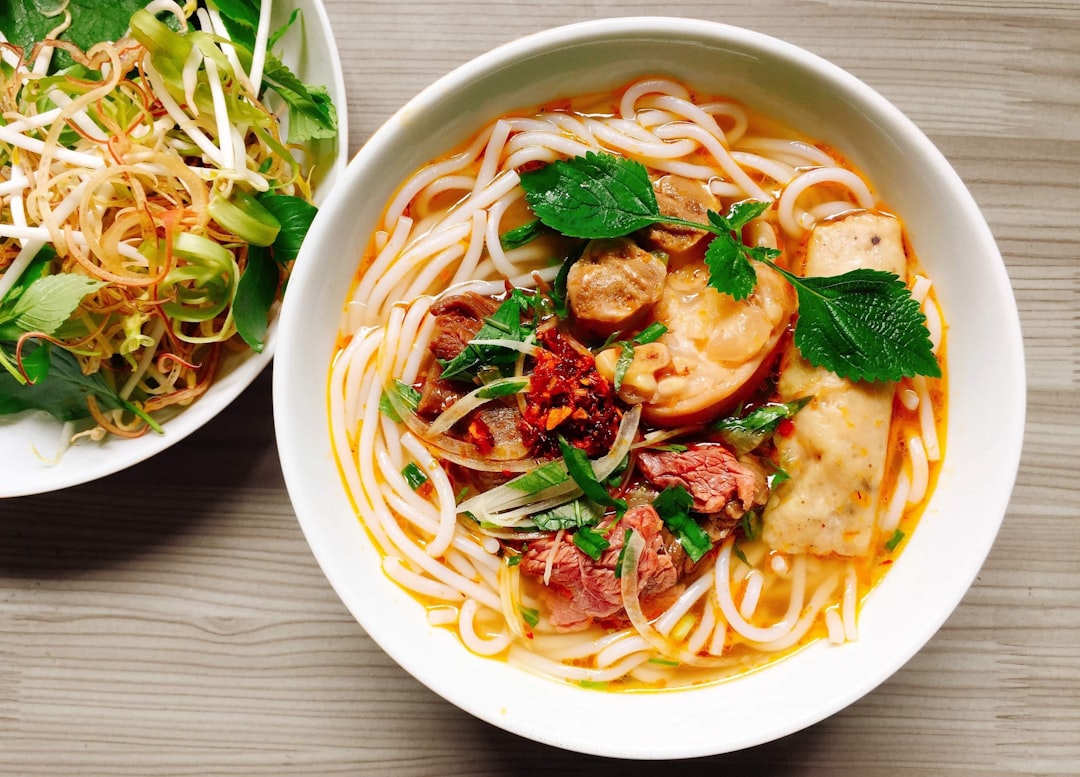
15-Min Laksa with Prawns & Rice Noodles
Rich coconut curry broth built on a shortcut laksa paste, studded with prawns and tender rice noodles. Aromatic, spicy, and on the table in under 15 minutes.
Ingredients
- •laksa paste (red or curry-based)
- •coconut milk
- •seafood or chicken stock
- •large prawns, peeled and deveined
- •fresh rice noodles (or dried, pre-soaked)
- •lime (halved for juicing)
Steps
- 1Heat a large pot over medium. Add laksa paste and stir constantly for 1 minute until fragrant.
- 2Pour in coconut milk and stock, stirring to combine. Bring to a simmer, then add prawns.
- 3Cook prawns 3–4 minutes until they turn pink and opaque throughout. Do not overcook.
- 4Add rice noodles and stir. If using fresh noodles, cook 2 minutes; dried, 3–4 minutes until tender.
- 5Squeeze lime juice into the pot. Taste and add salt or a pinch more lime as needed.
- 6Ladle into bowls. Serve immediately, drizzling any extra lime over top.
Why this works
Coconut milk is an emulsion of fat and water, and its fat content is what makes it so useful with shrimp. Most of the aromatic compounds in a curry paste — the ones in galangal, lemongrass, chilli, shrimp paste and turmeric — are fat-soluble, meaning they will not release properly into a watery liquid. Frying the paste in coconut fat first is what extracts them, and it is the step most home versions skip.
The classic technique is to reduce thick coconut cream in a hot pan until it splits and clear oil separates out, then fry the curry paste in that oil until it darkens and smells fragrant. Splitting is a fault in a dairy sauce; here it is the entire point. Once the paste has fried, the rest of the coconut milk goes in and brings the sauce back together.
Shrimp go in last and barely cook. They need ninety seconds in the simmering sauce, and because coconut milk holds heat well they carry on cooking after the pan comes off. Add them earlier and they will be tough by the time the sauce is finished.
Balance is the other constant. Coconut is sweet and rich, and shrimp are sweet too, so a dish built on the two alone is cloying. Every version corrects this the same way — fish sauce for salt and fermented depth, tamarind or citrus for acid, and chilli for heat. Get those three in and the sweetness becomes a foundation rather than a problem.
Custrd matches the shrimp and coconut milk you have against tested recipes and shows what else each one needs.
More you can make
Tap any of these to open them in Custrd — try it free for 7 days.

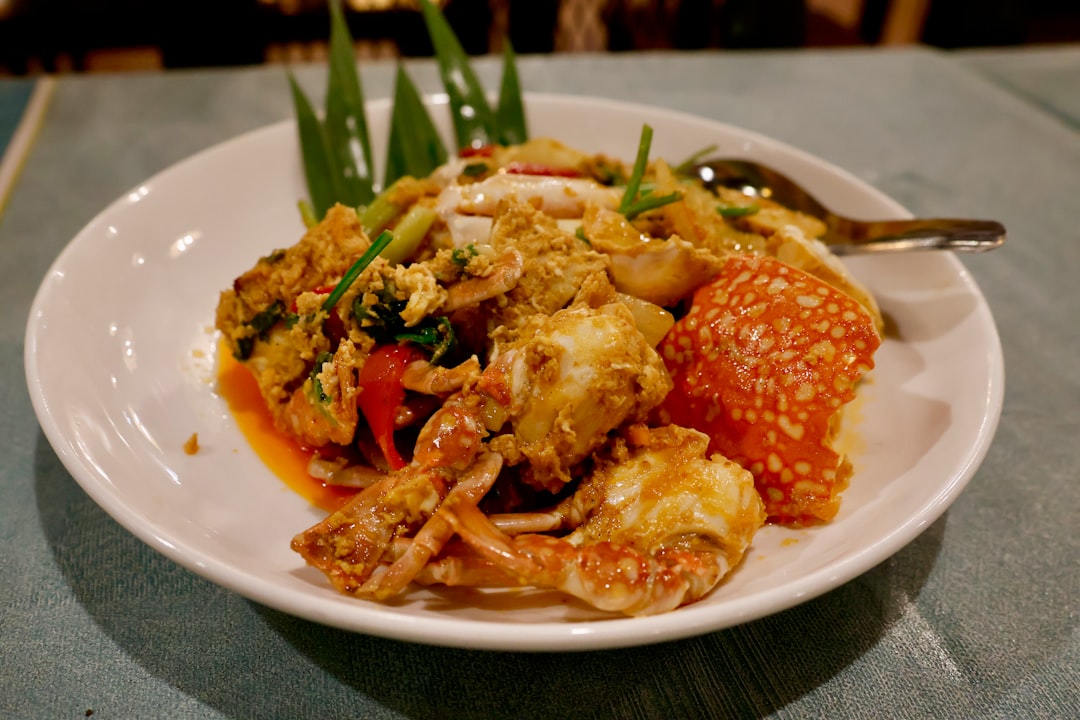
More recipes you can make
More dishes that use these ingredients, from a large public recipe collection. Ingredients and nutrition here; step-by-step instructions in the Custrd app.
- Global
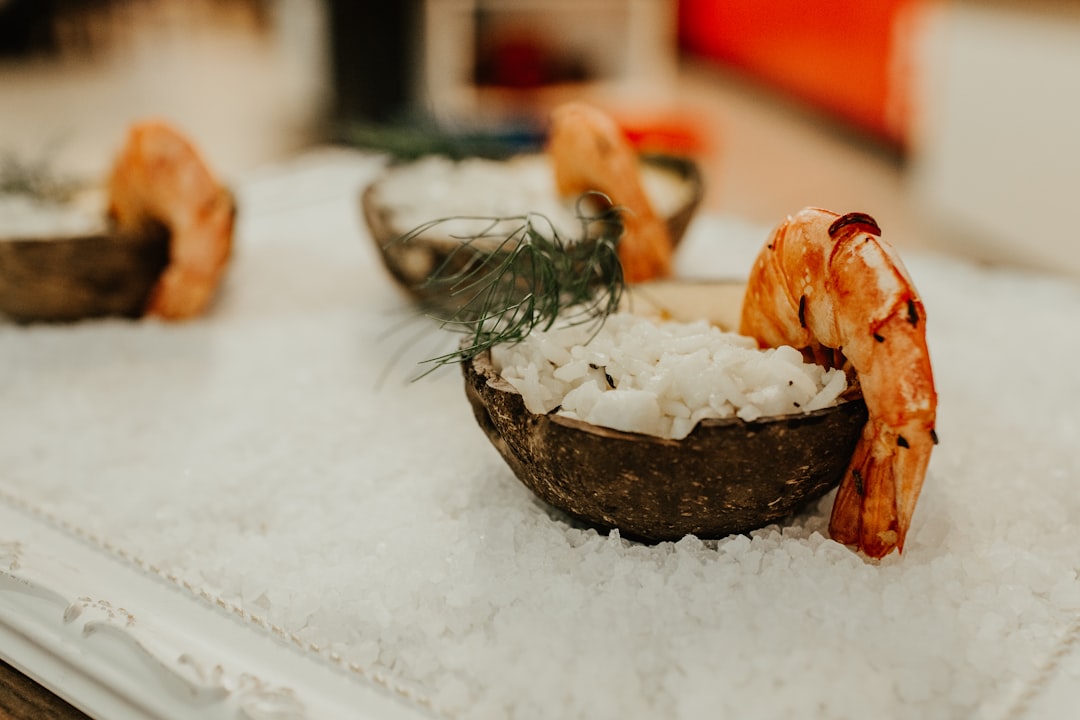
Simple Shrimp Cakes
Uses 2 of yours11 min147 cal - Global
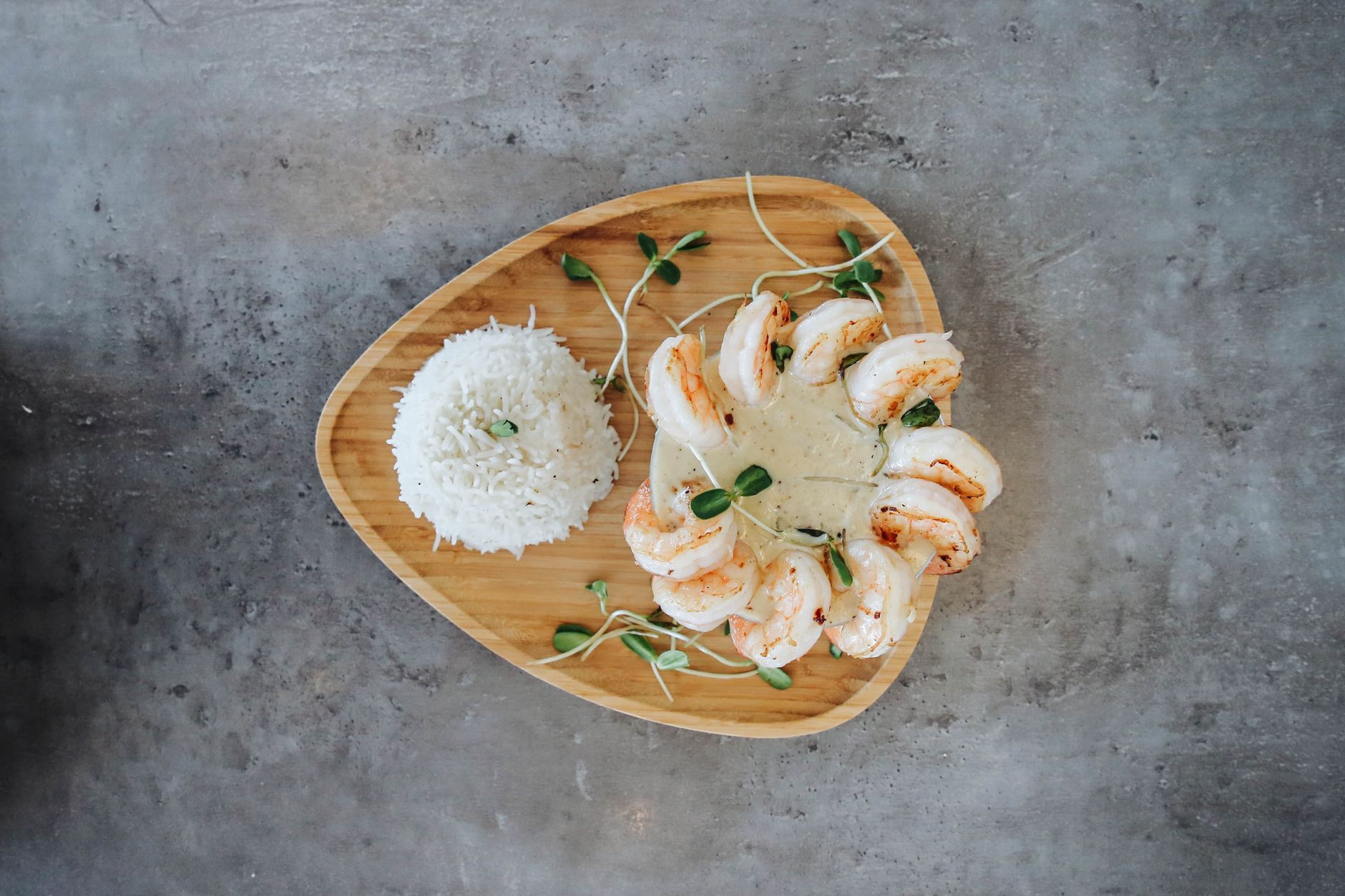
Prawn Red Thai Curry
Uses 2 of yours40 min421 cal - Global
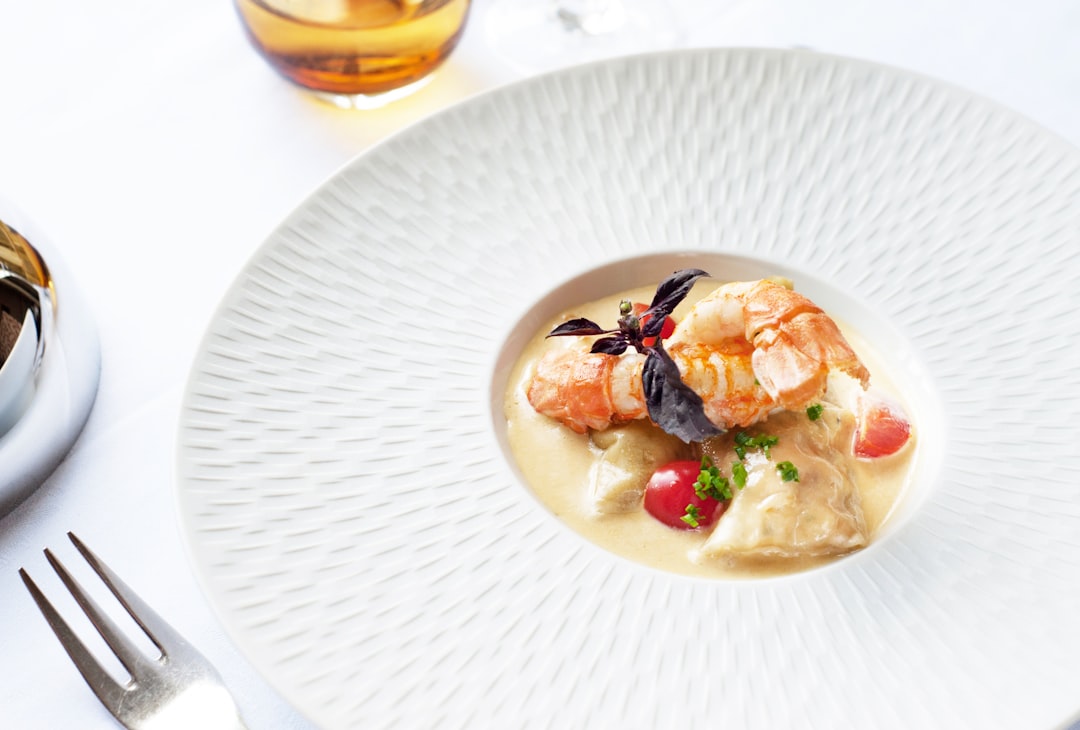
Coconut Shrimp
Uses 2 of yours40 min688 cal - Global
Thai Red Curry Shrimp
Uses 2 of yours25 min283 cal - Global
Coconut Lime Shrimp Skewers
Uses 2 of yours25 min168 cal - Global
Thai Coconut Curry Shrimp Dippers
Uses 2 of yours20 min78 cal








Have different ingredients?
Try our free ingredient finder.
Open the recipe finder →Frequently asked
Is it bad if the coconut milk splits?
No — in most Southeast Asian curries it is a deliberate step. Reducing thick coconut cream until the oil separates gives you a fragrant fat to fry the curry paste in, which is how the aromatics are extracted. Adding the remaining coconut milk afterwards brings the sauce back together.
When do the shrimp go in?
Last, and only for a minute or two. Finish the sauce completely, then slide the shrimp in and turn the heat down. They are cooked when they turn opaque and curl loosely. Coconut milk retains heat well, so they carry on cooking after the pan leaves the burner.
What stops a coconut shrimp curry tasting too sweet?
Salt, acid and heat, all three. Fish sauce supplies salt and fermented savoury depth; tamarind, citrus or a little vinegar cuts the richness; chilli gives it a backbone. Without them, coconut and shrimp are two sweet ingredients reinforcing each other with nothing to push back.
Related
Want 15+ more meal ideas from your ingredients?
Custrd finds dozens of recipes from a single fridge photo, with smart filters for diet, time, and macros.
Try Custrd free for 7 days