What Can I Make with Cream and Egg?
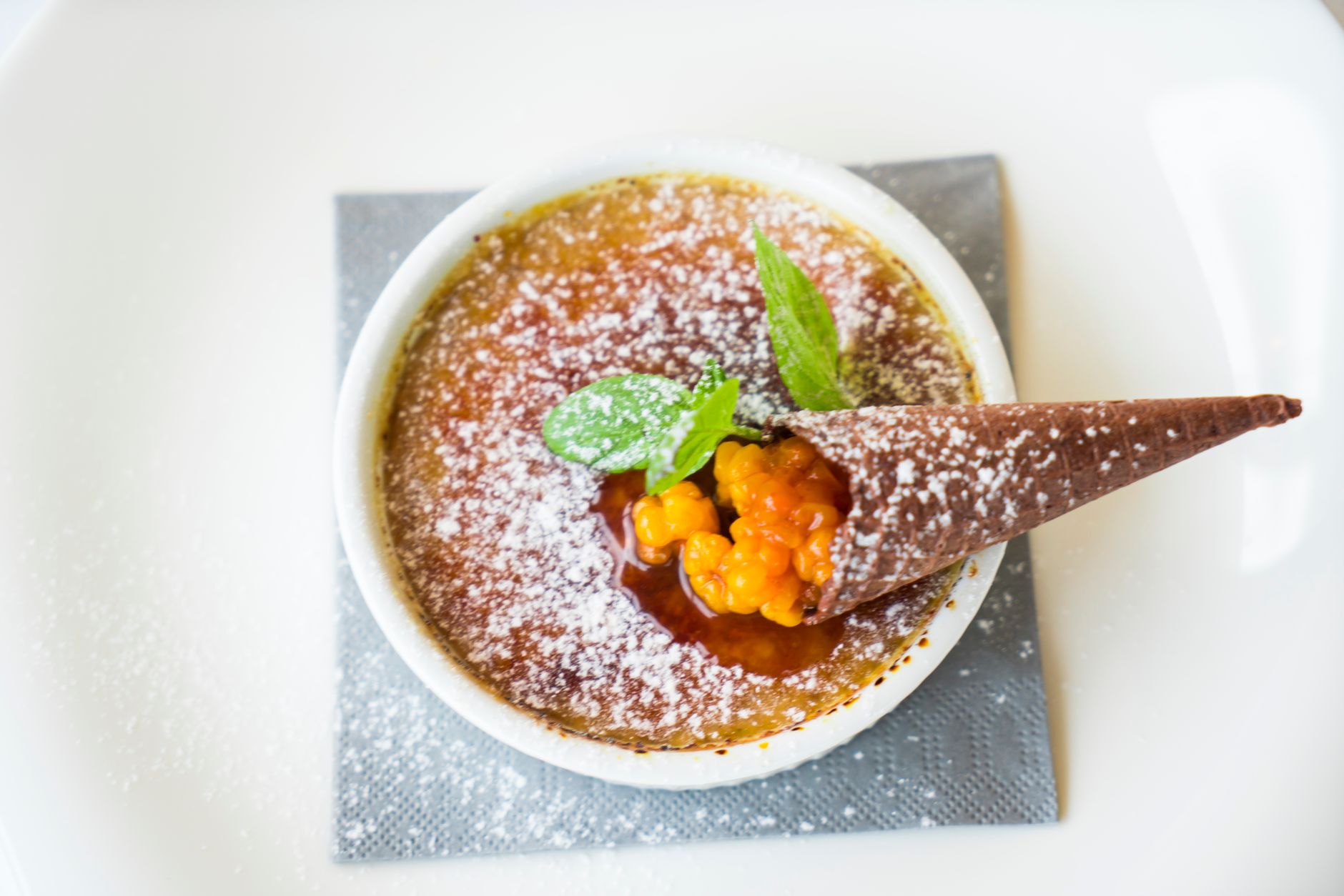
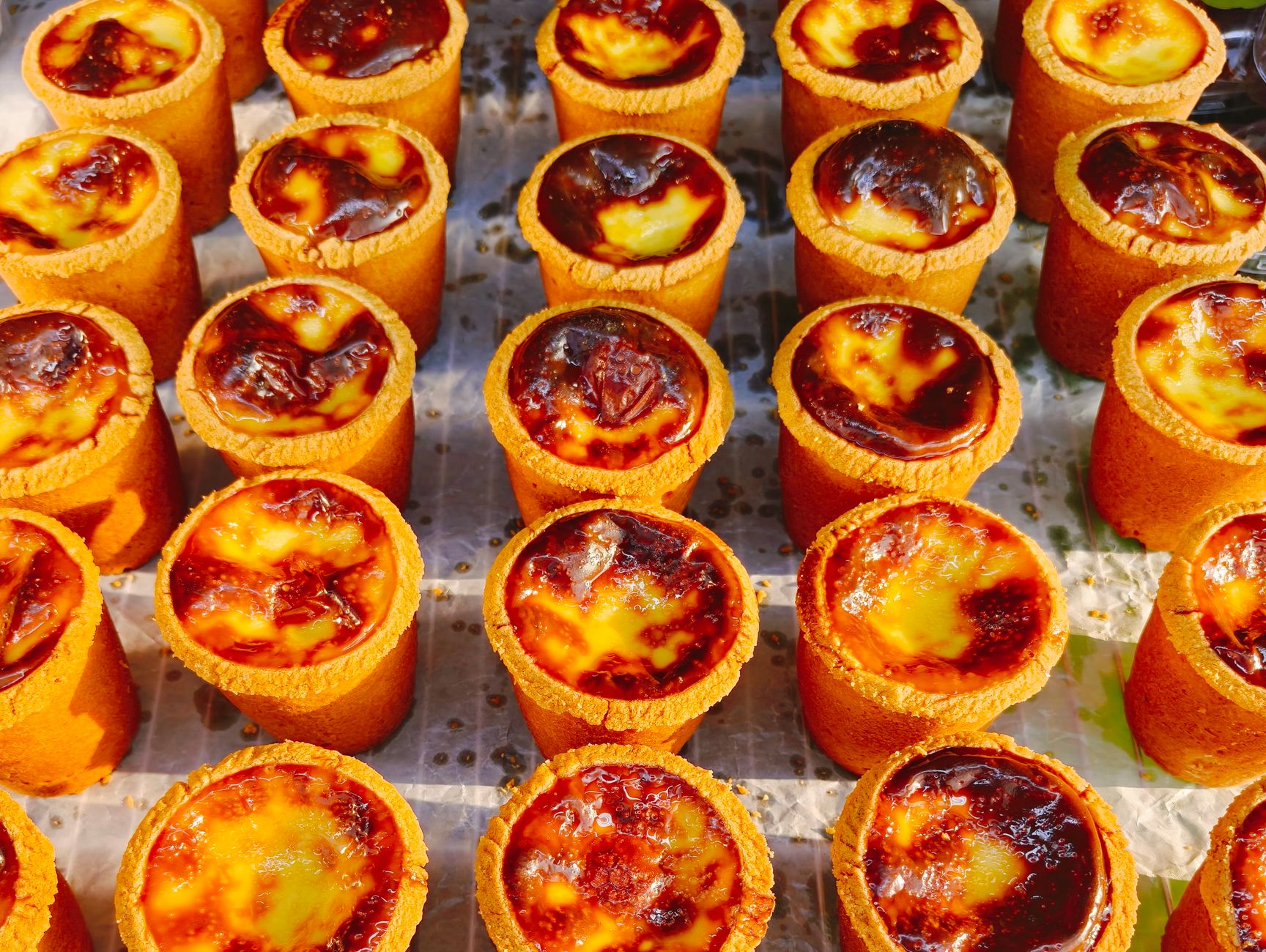
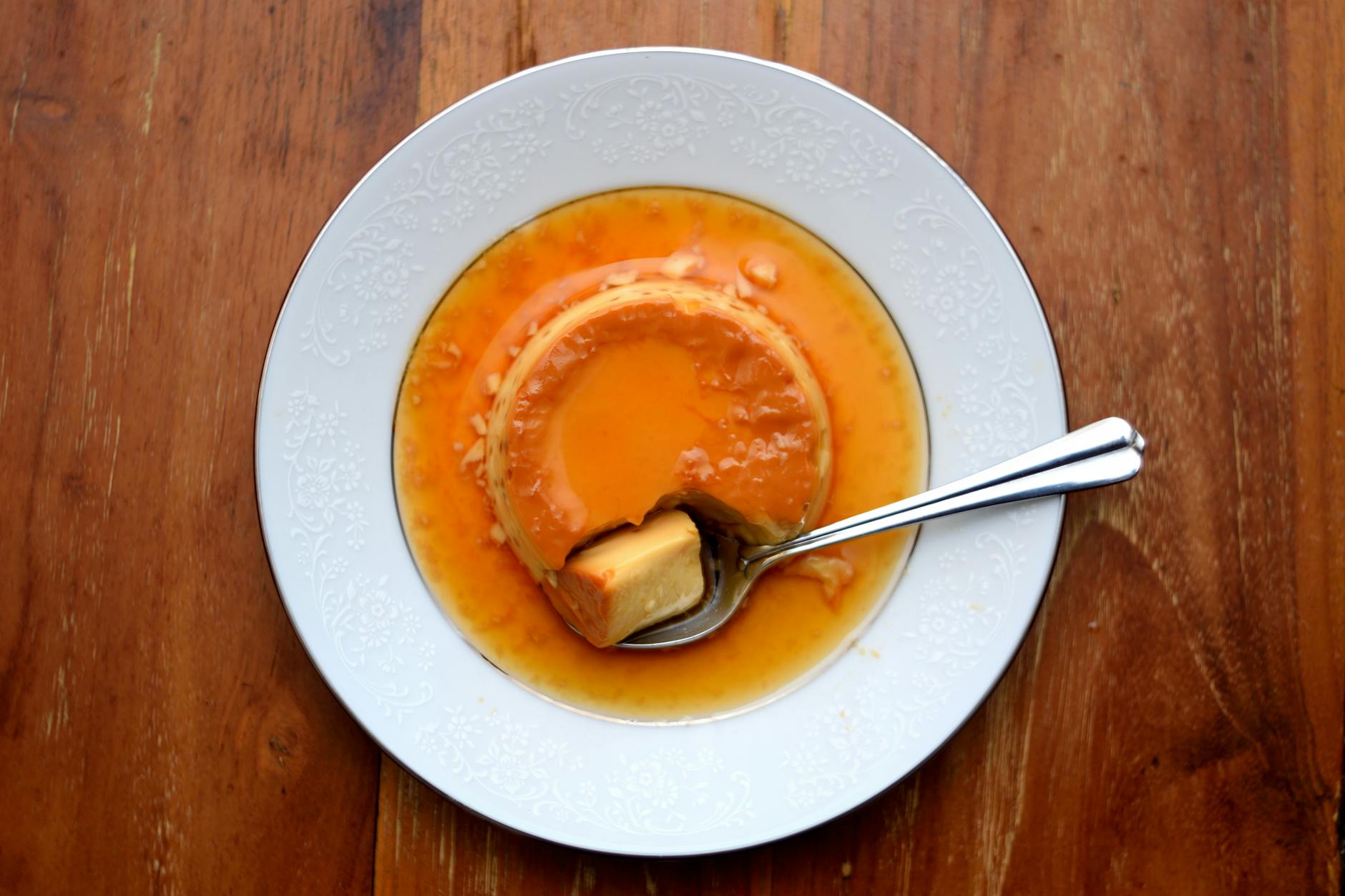
Cream and egg is less a pair of ingredients than a formula: whisked together and heated gently they set into custard. The strongest match here is Quiche Lorraine, and Custrd also found crème brûlée, Portuguese pudim flan and crispy egg custard tarts. All 6 are real, tested recipes rather than AI guesses.
 Top recipe
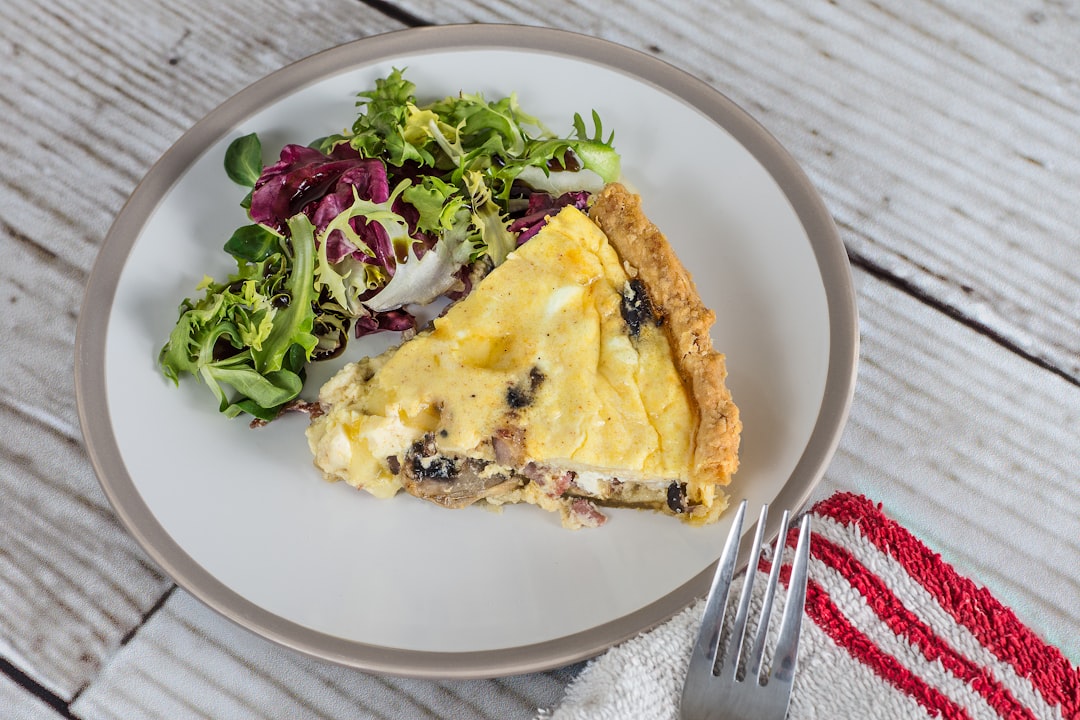
Quiche Lorraine
A classic French quiche with a buttery crust, savory bacon, and a creamy egg custard. Perfect for brunch or a light dinner.
Ingredients
- •pie crust
- •bacon
- •eggs
- •heavy cream
- •milk
- •salt
- •black pepper
- •nutmeg
Steps
- 1"Preheat oven to 375°F (190°C). Fit the 1 pie crust into a 9-inch pie dish, crimping the edges. Prick the bottom with a fork."
- 2"Cook the 6 slices bacon in a skillet over medium heat until crisp, about 8 minutes. Drain on paper towels, then crumble into small pieces."
- 3"In a bowl, whisk together the 4 eggs, 1 cup heavy cream, 0.5 cup milk, 0.5 teaspoon salt, 0.25 teaspoon black pepper, and 0.125 teaspoon nutmeg until smooth."
- 4"Sprinkle the crumbled bacon evenly over the bottom of the crust. Pour the egg mixture over the bacon."
- 5"Bake until the center is set and a knife inserted near the middle comes out clean, about 35-40 minutes. Let cool for 10 minutes before slicing."
- 6"Slice and serve warm or at room temperature."
Why this works
Egg proteins unwind and link together at around 70C, trapping whatever liquid is around them. That is the whole trick of custard, and cream is the ideal liquid for it because its fat gets between the proteins and slows them down. A cream custard sets later, more gently and far more forgivingly than the same mixture made with milk, which is why almost every classic in this family calls for cream rather than milk alone.
The ratio decides what you get. Roughly one whole egg to 100ml of cream gives the loose, sliceable set of a quiche filling. More yolks and fewer whites gives the dense, spoonable richness of crème brûlée and pot de crème, because yolks bring fat and emulsifiers while whites bring the rubbery proteins you do not want in a dessert. Add sugar and the set goes softer still, which is why flan and custard tarts need either a longer bake or a little starch to hold their shape.
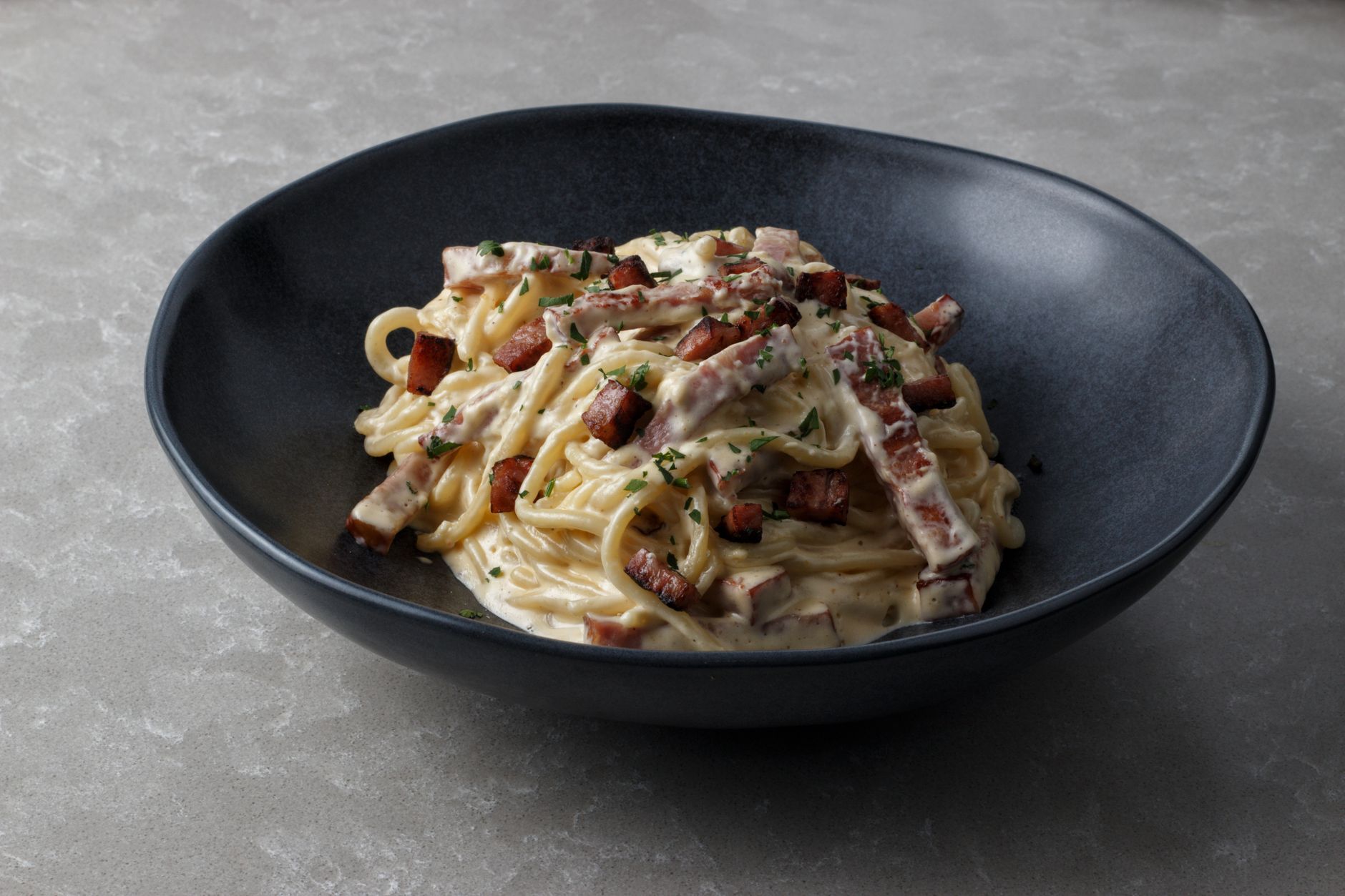
Heat control matters more than any other variable. Overshoot and the proteins contract and squeeze out the liquid they were holding, so a smooth custard turns grainy and starts to weep. That is why quiches and flans are baked in a moderate oven, often in a water bath, and why stirred custards are held below a simmer. Carbonara is the extreme version of the same idea: the eggs and cream never touch direct heat at all, and are brought together off the burner using the residual warmth of the pasta so they thicken instead of scrambling.
Custrd matches the cream and eggs in your kitchen against tested recipes and tells you exactly what else each one needs.
More you can make
Tap any of these to open them in Custrd — try it free for 7 days.
More recipes you can make
More dishes that use these ingredients, from a large public recipe collection. Ingredients and nutrition here; step-by-step instructions in the Custrd app.
- Global
Lemon Custards
Uses 2 of yours65 min419 cal - Global
Double Meringue Fingers
Uses 2 of yours240 min760 cal - Global
Maple Mousse Parfait
Uses 2 of yours20 min244 cal - Global
Dressed Egg Salad
Uses 2 of yours15 min121 cal - Global
French Vanilla Ice Cream
Uses 2 of yours30 min322 cal - Global
White Chocolate Creme Brulee
Uses 2 of yours70 min439 cal


Have different ingredients?
Try our free ingredient finder.
Open the recipe finder →Frequently asked
Can I use milk instead of cream?
You can, but expect a firmer, more fragile set. Cream fat raises the temperature at which the eggs coagulate and cushions them, so a cream custard is smoother and much harder to overcook. If you substitute milk, drop the oven temperature slightly and start checking earlier.
What is the right egg-to-cream ratio?
About one whole egg per 100ml of cream gives a sliceable set suitable for quiche. For a richer dessert custard, swap in extra yolks — roughly four yolks to 250ml is the classic crème brûlée proportion. More whites means firmer and more rubbery; more yolks means denser and creamier.
Why did my custard turn grainy?
It got too hot. Egg proteins that overcook contract and squeeze out the liquid they were holding, which reads as graininess and a watery weep. Bake in a water bath, pull it while the centre still wobbles, and for stovetop custards keep the pan below a simmer and stir constantly.
Related
Want 15+ more meal ideas from your ingredients?
Custrd finds dozens of recipes from a single fridge photo, with smart filters for diet, time, and macros.
Try Custrd free for 7 days