What Can I Make with Cream and Milk?
Milk and cream together are less an ingredient list than a dial: the ratio between them sets how rich the finished dish is. The clearest example is Classic Panna Cotta, and Custrd also matched New England corn chowder, Persian saffron ice cream and Danish risalamande — 6 tested recipes in all.
 Top recipe
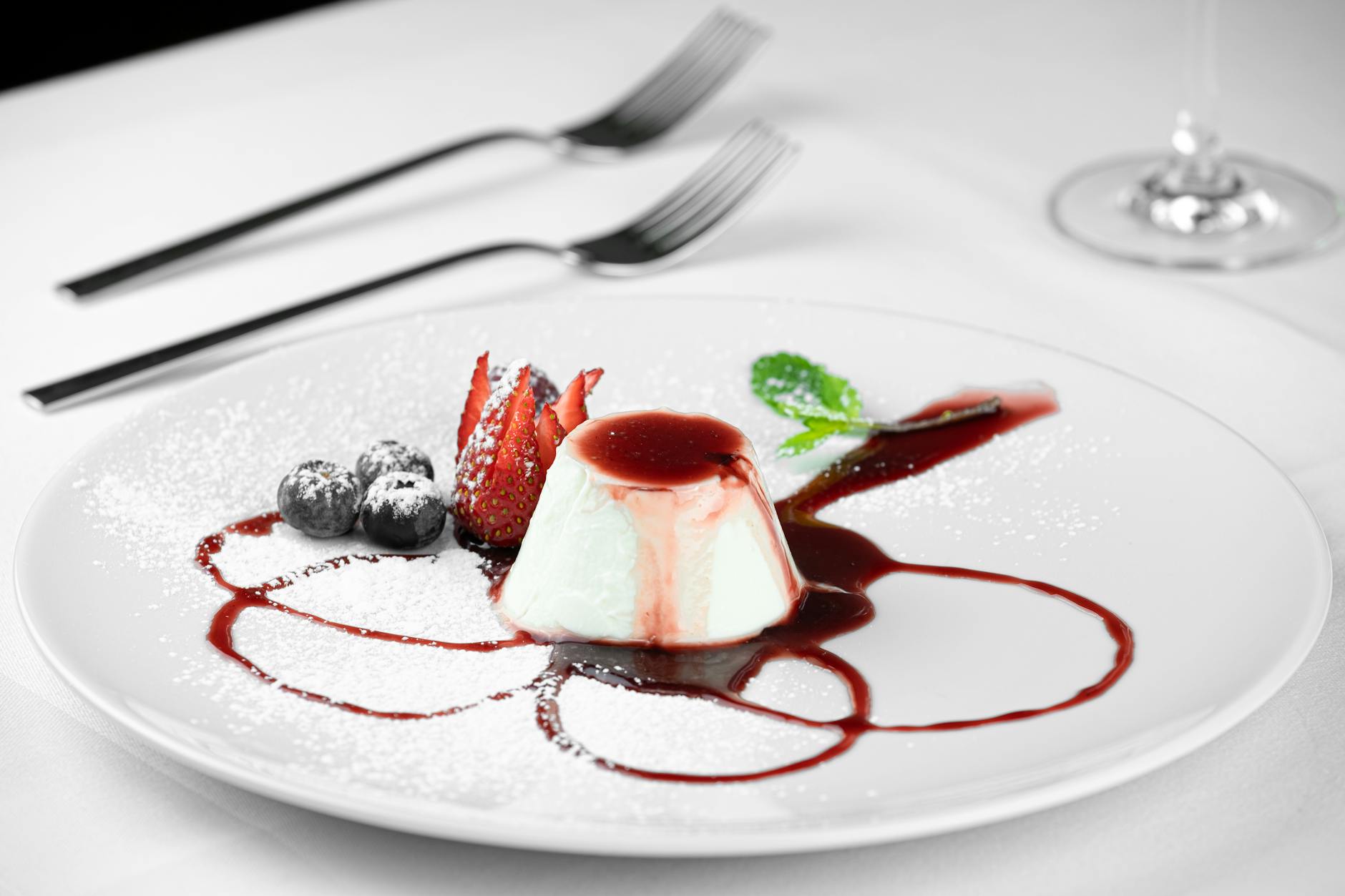
Classic Panna Cotta
Silky-smooth Italian custard made with cream, sugar, and gelatin, served with fresh berry compote. This elegant no-bake dessert is perfect for dinner parties and requires minimal active cooking time.
Ingredients
- •heavy cream
- •whole milk
- •granulated sugar
- •vanilla extract
- •unflavored gelatin
- •water
- •fresh mixed berries
- •granulated sugar
- •lemon juice
Steps
- 1Pour water into a small bowl and sprinkle gelatin over it. Let sit for 5 minutes to bloom.
- 2Combine berries, 2 tbsp sugar, and lemon juice in a small saucepan. Gently heat over medium for 3 minutes, stirring occasionally. Set aside to cool.
- 3Pour heavy cream and milk into a saucepan. Add 0.33 cup sugar and heat over medium, stirring occasionally, until steaming (do not boil).
- 4Remove from heat and stir in bloomed gelatin until completely dissolved. Add vanilla extract and stir well.
- 5Strain mixture through a fine-mesh sieve into a pouring bowl to remove any lumps.
- 6Divide custard mixture evenly among 4 serving ramekins or glasses.
- 7Refrigerate for at least 4 hours or until set and slightly jiggling when gently shaken.
- 8Top each panna cotta with cooled berry compote and serve chilled.
Why this works
Milk is roughly 3 to 4 percent fat; cream runs from about 18 percent up to 38 for double cream. Blending them lets you land anywhere in between, and that number quietly decides the texture of the finished dish. Panna cotta made with all cream is heavy and coats the mouth; made with all milk it sets rubbery and thin. The classic recipes sit in the middle for a reason.
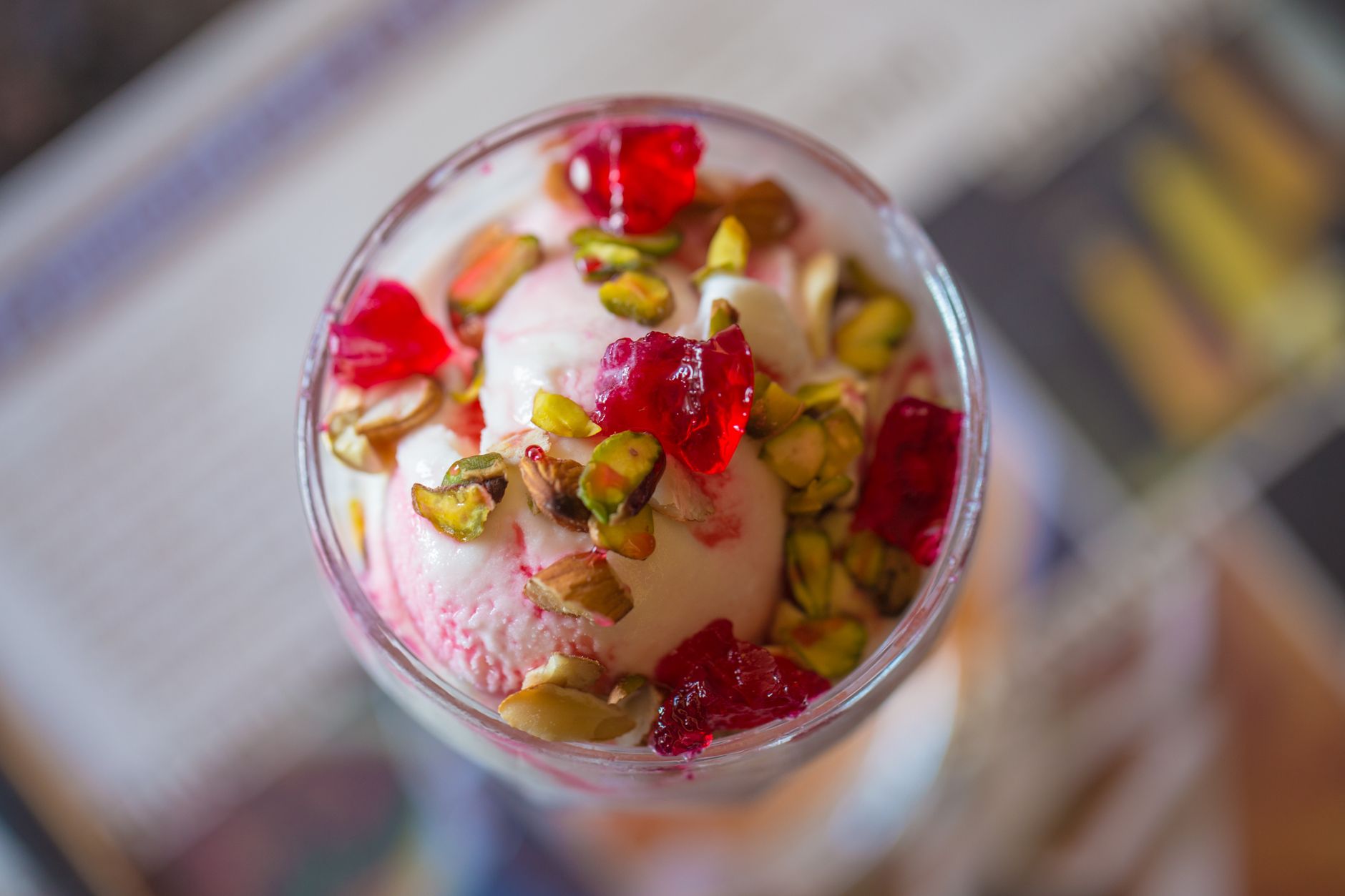
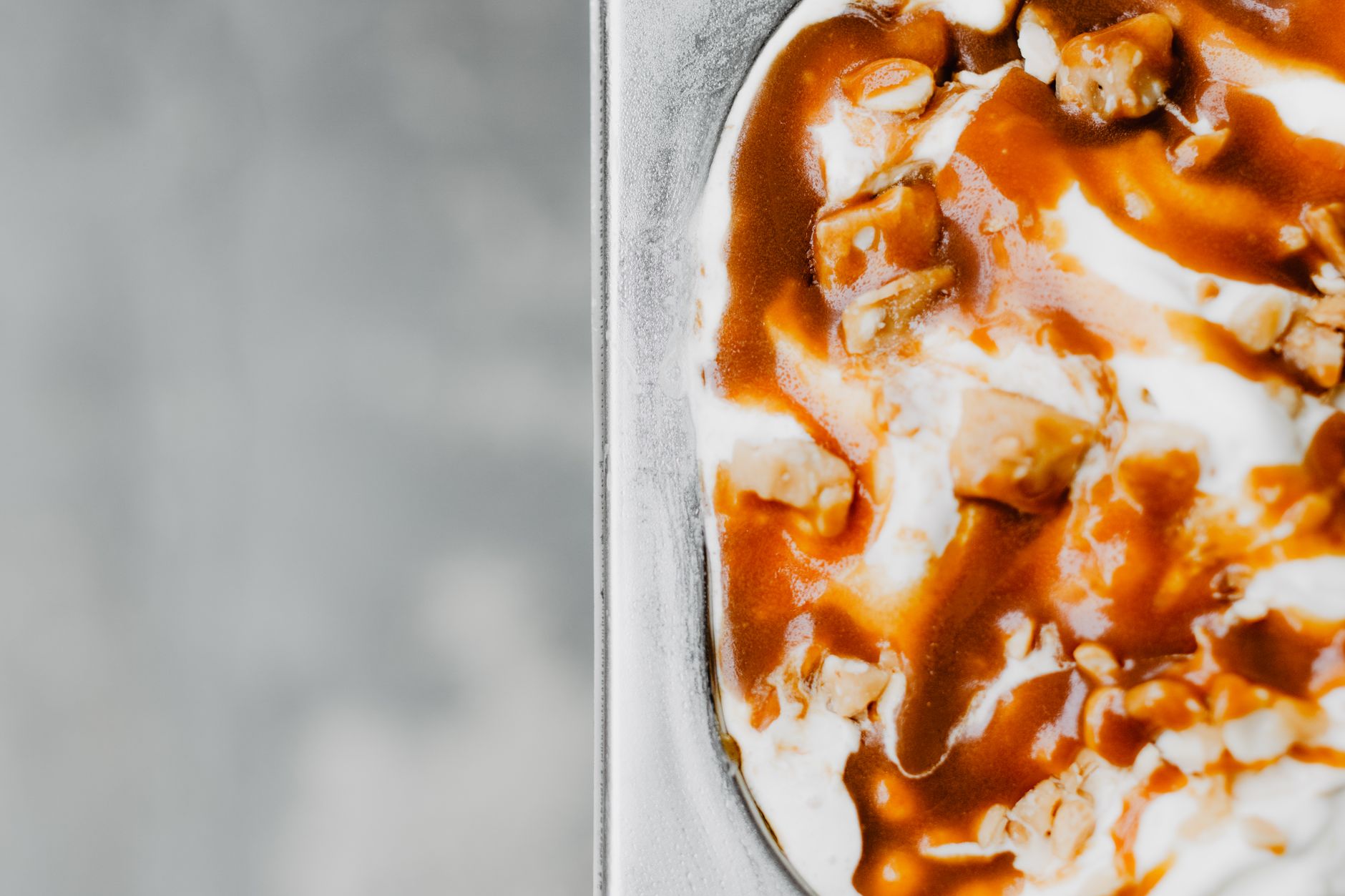
In frozen desserts the ratio is doing something more specific. Fat physically gets in the way of ice crystals forming, so a mix with more cream freezes into a smoother, softer scoop while a milk-heavy base freezes harder and grittier. That is the difference between an ice cream and something closer to an ice, and it is why saffron ice cream and maple walnut ice cream both lean on cream, whereas a rice pudding like risalamande can be built mostly on milk and only finished with whipped cream folded through at the end.
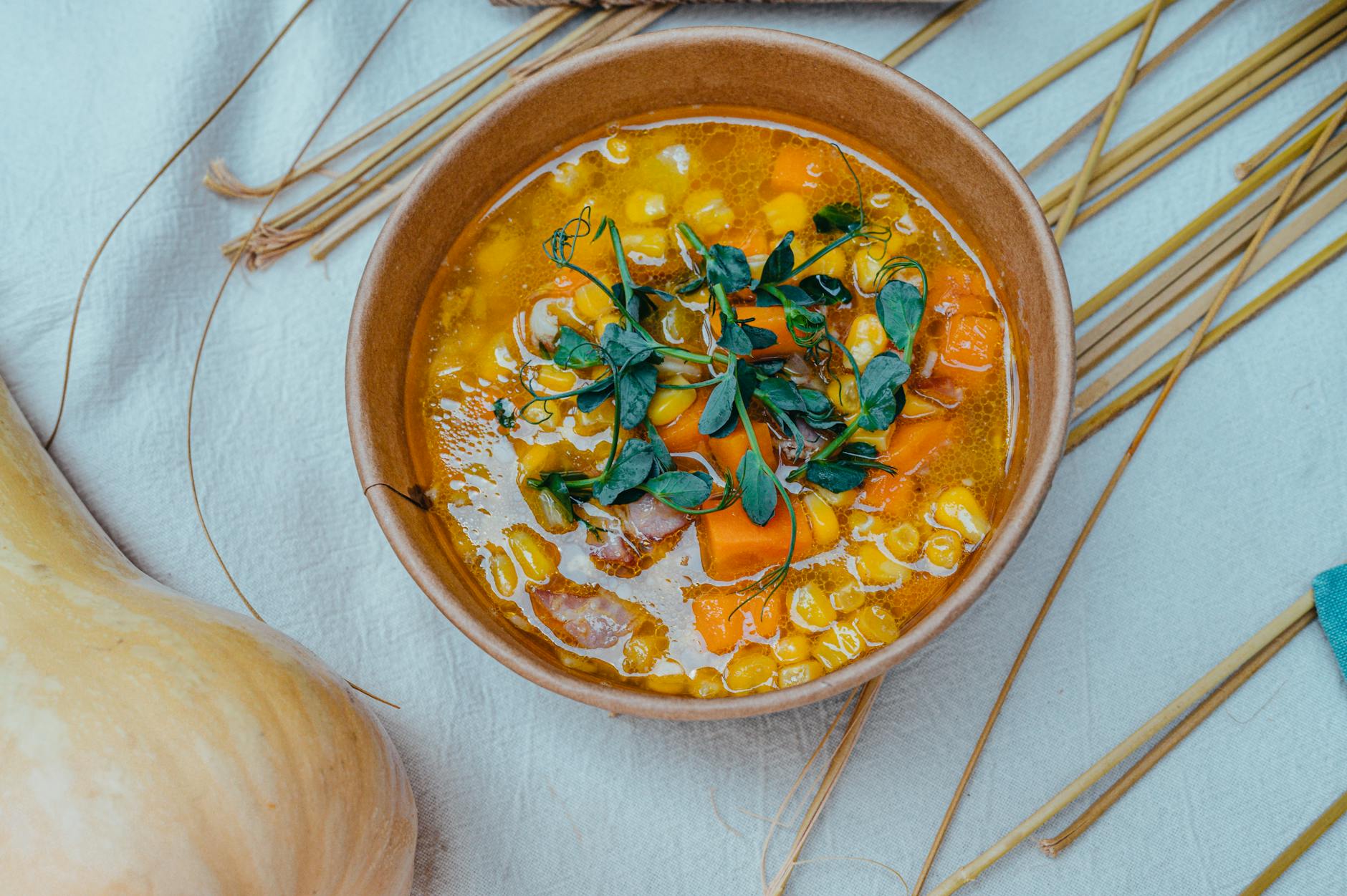
In savoury cooking the two behave very differently under heat. Cream can be simmered and reduced because its high fat content protects the milk proteins from curdling. Milk cannot: acid, salt or a hard boil will make it break. Chowders work around this by using potato starch and gentler heat to build body, then adding the dairy late. If a recipe tells you to add the milk off the boil, that is the reason.
One more practical note: scalding milk and cream before use dissolves sugar more readily and helps gelatin hydrate evenly. Custrd matches what is in your fridge against tested recipes and fills in the rest.
More you can make
Tap any of these to open them in Custrd — try it free for 7 days.
More recipes you can make
More dishes that use these ingredients, from a large public recipe collection. Ingredients and nutrition here; step-by-step instructions in the Custrd app.
- Global
Clotted Cream
Uses 2 of yours185 min261 cal - Global
Peppermint Candy Ice Cream
Uses 2 of yours20 min214 cal - Global
Caramel Pots de Creme
Uses 2 of yours80 min484 cal - Global
Chilled Strawberry Soup
Uses 2 of yours490 min268 cal - Global
French Vanilla Ice Cream
Uses 2 of yours30 min322 cal - Global
Berry Grunt
Uses 2 of yours120 min406 cal


Have different ingredients?
Try our free ingredient finder.
Open the recipe finder →Frequently asked
Can I just use one or the other?
Usually yes, but the texture shifts. Swapping cream for milk gives a firmer, leaner set and a harder freeze; going the other way gives a richer, softer result that may not hold its shape. For panna cotta, adjust the gelatin — a milk-heavy mix needs slightly less to reach the same wobble.
Why does my milk curdle when cream does not?
Fat. Cream higher fat content coats and protects the milk proteins, so it tolerates simmering, salt and mild acidity. Milk proteins have no such buffer and clump when heated hard or combined with acid. In soups and chowders, add milk near the end and keep the pan below a boil.
What does scalding the dairy actually do?
Heating milk and cream to just below a simmer dissolves sugar completely, helps gelatin hydrate evenly, and lets you infuse flavour — vanilla, saffron, cardamom — into the fat, where those aromatics are most soluble. It also denatures a milk protein that otherwise interferes with setting in some custards.
Related
Want 15+ more meal ideas from your ingredients?
Custrd finds dozens of recipes from a single fridge photo, with smart filters for diet, time, and macros.
Try Custrd free for 7 days