What Can I Make with Cream and Potato?
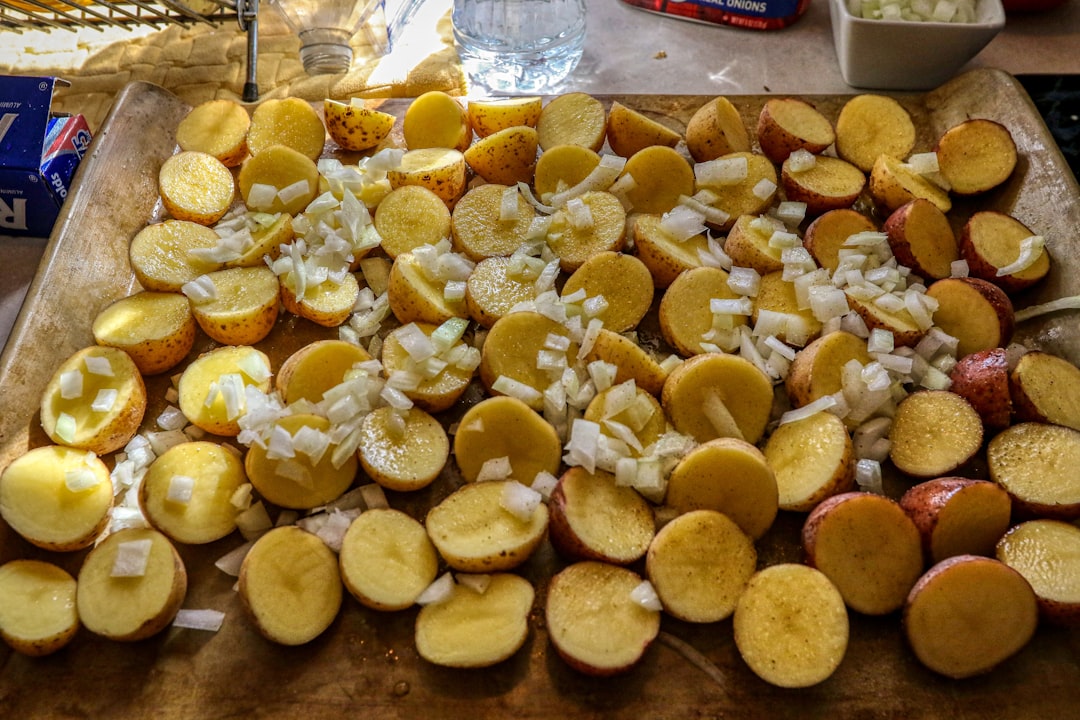
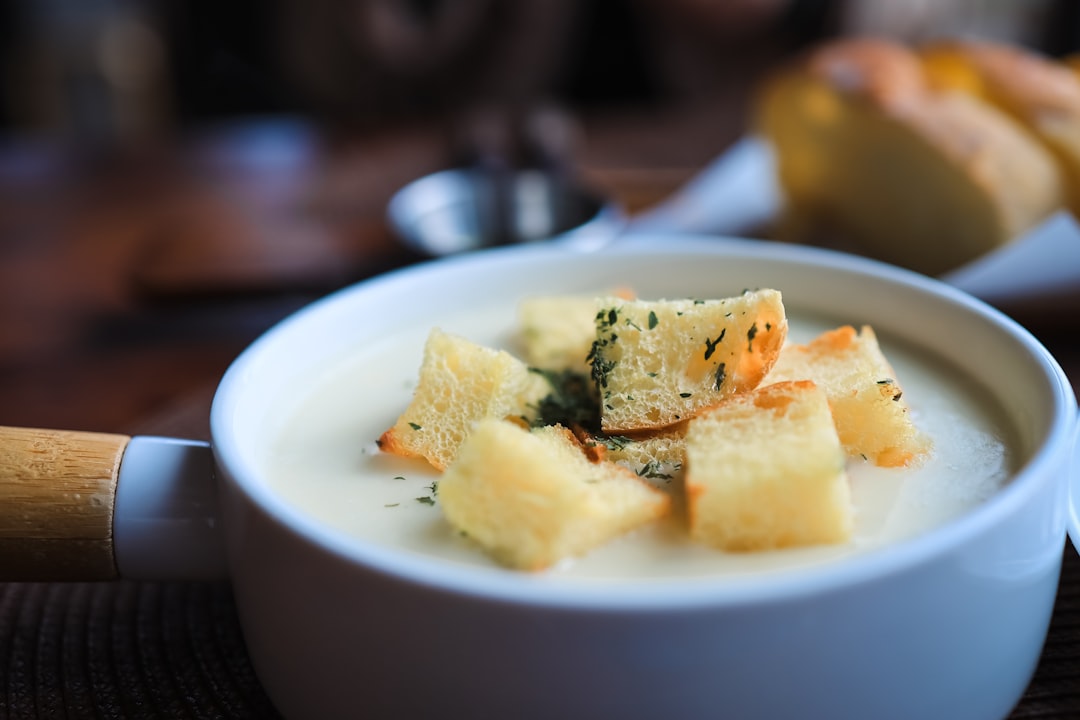
Potato and cream is a gratin, a mash or a soup, and in all three the potato own starch does the thickening. The strongest match is a 25-Min Cheesy Potato Gratin, and Custrd also matched buttery creamy mashed potatoes, chilled potato leek soup and creamy cod chowder. Six tested recipes.
 Top recipe
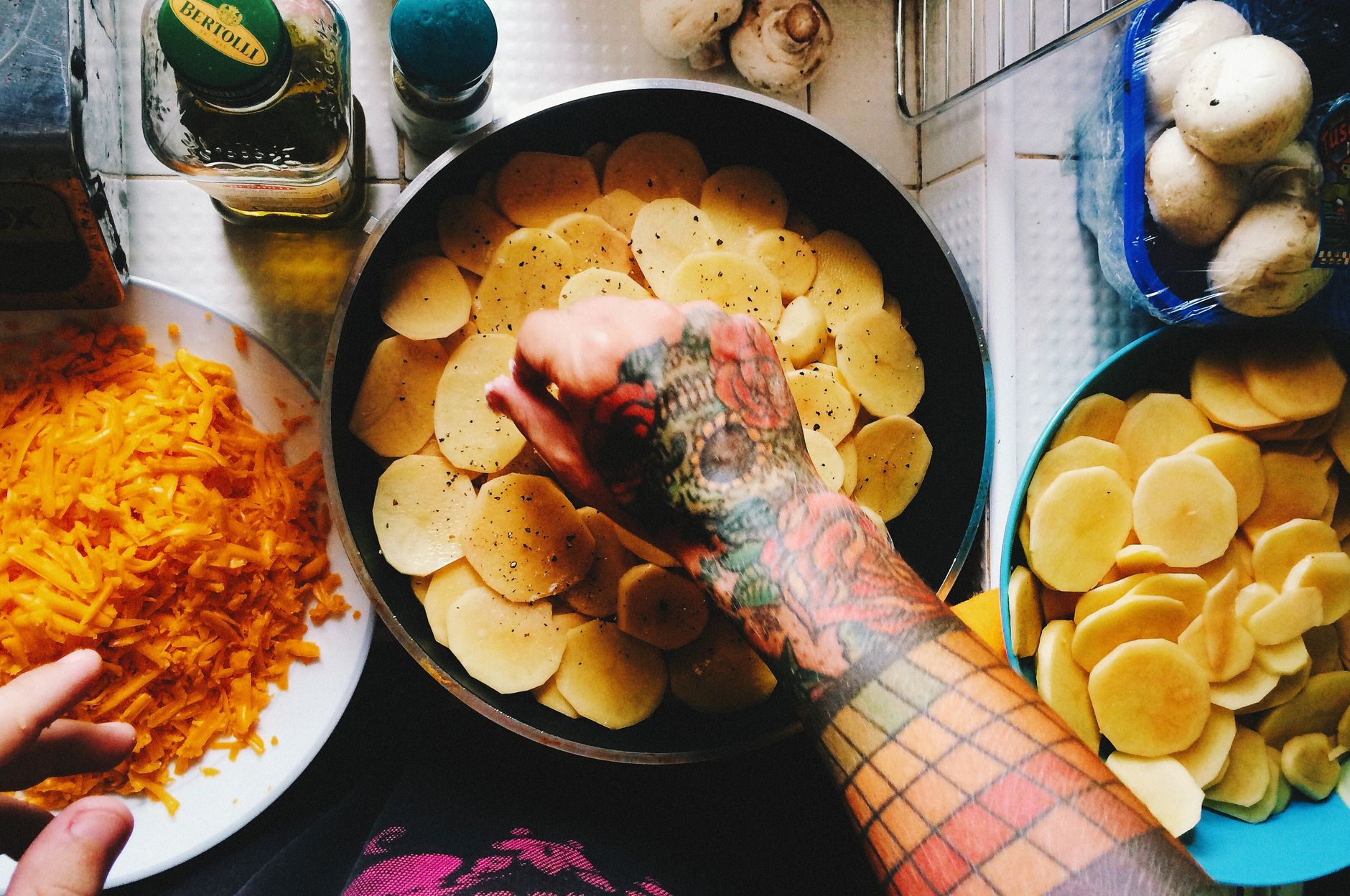
25-Min Cheesy Potato Gratin
Thinly sliced potatoes layered with melted cheese and cream, finished under the broiler until bubbly and golden. A rustic French classic that tastes like it simmered for hours but comes together in under 30 minutes.
Ingredients
- •potatoes (waxy, like Yukon Gold)
- •gruyère cheese, shredded
- •heavy cream
- •whole mushrooms, sliced
- •garlic cloves, minced
- •butter
Steps
- 1Preheat oven to 450°F. Slice potatoes into 1/8-inch-thin rounds with a mandoline or sharp knife.
- 2Heat butter in a large skillet over medium-high. Add mushrooms and garlic, sauté until mushrooms release liquid and edges brown, about 4 minutes.
- 3Layer half the potato slices in a buttered 9x13-inch baking dish, overlapping slightly. Season with salt and pepper.
- 4Scatter mushroom mixture over potatoes. Top with remaining potato slices, overlapping. Season again.
- 5Pour cream evenly over potatoes. Sprinkle gruyère on top, covering surface completely.
- 6Bake 15 minutes until edges bubble, then broil 2–3 minutes until cheese is golden and bubbling at the rim.
Why this works
Potato is the only common vegetable that can thicken a sauce by itself, and cream is the liquid that best shows it off. As sliced potato bakes in cream, its starch granules absorb liquid, swell and burst, releasing long starch molecules that turn thin cream into something that coats and sets. This is why a proper gratin needs no flour, no roux and no cornflour — the potato does all of it.
One consequence surprises people: you should not rinse the potato slices for a gratin. Rinsing washes away the surface starch that is doing the thickening, and the result is a dish swimming in liquid. For chips and roast potatoes rinsing is correct, because you want the surfaces dry and separate. For a gratin it is exactly wrong.
Cream also handles heat far better than milk. Its high fat content shields the milk proteins, so it can be simmered, reduced and baked for an hour without curdling — which matters a great deal in a gratin, where potato and cream sit in the oven together for a long time. Milk in the same dish will separate unless it is stabilised with flour.
Mashed potato is the one place to be careful. Every time you work the potato, more cells rupture and more starch is released, and past a certain point the mash turns gluey rather than fluffy. Use a ricer or a masher, never a food processor, and fold in cream that has been warmed — cold cream cools the potato and tempts you into overworking it.
Custrd matches the cream and potatoes you have against tested recipes and shows what else each one needs.
More you can make
Tap any of these to open them in Custrd — try it free for 7 days.
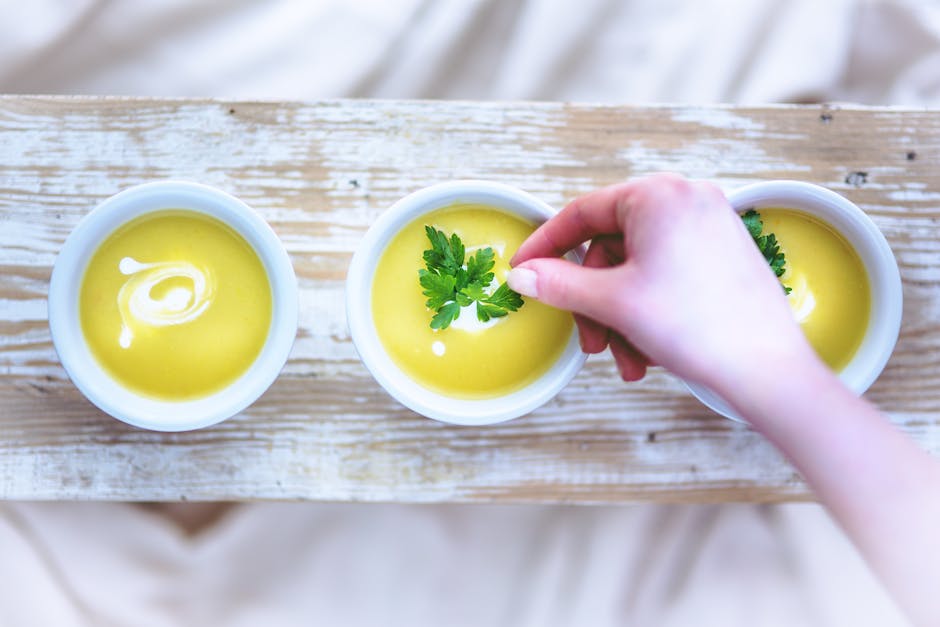
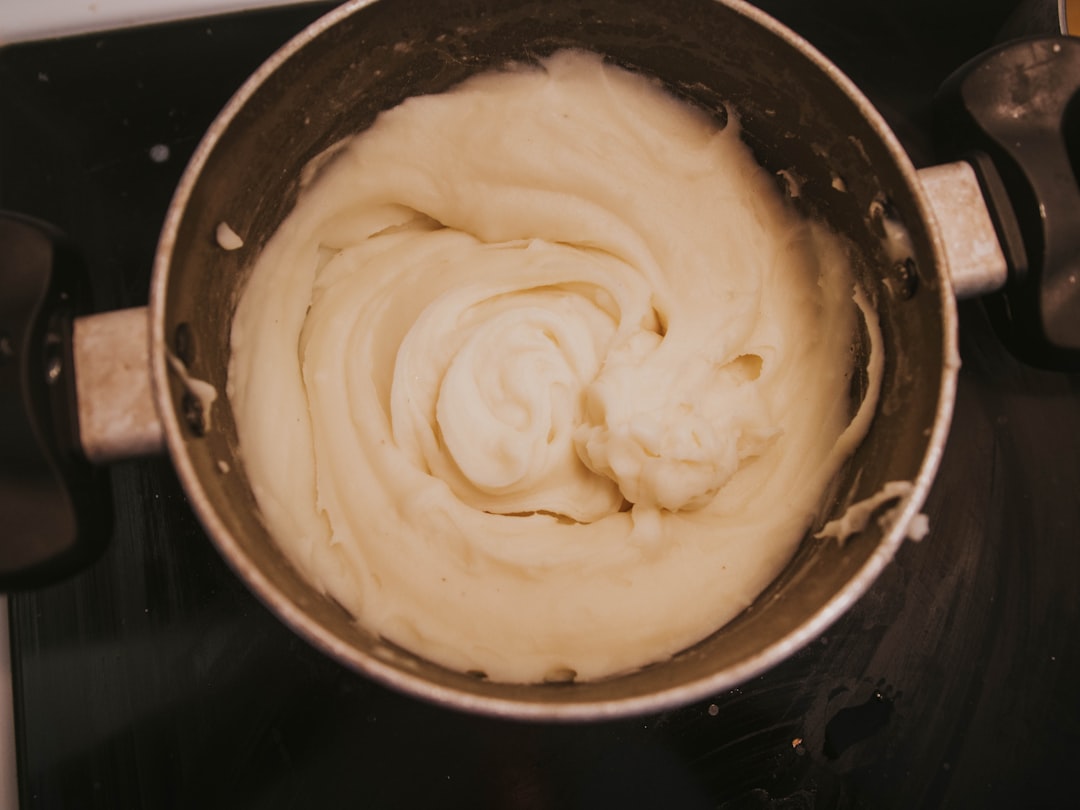
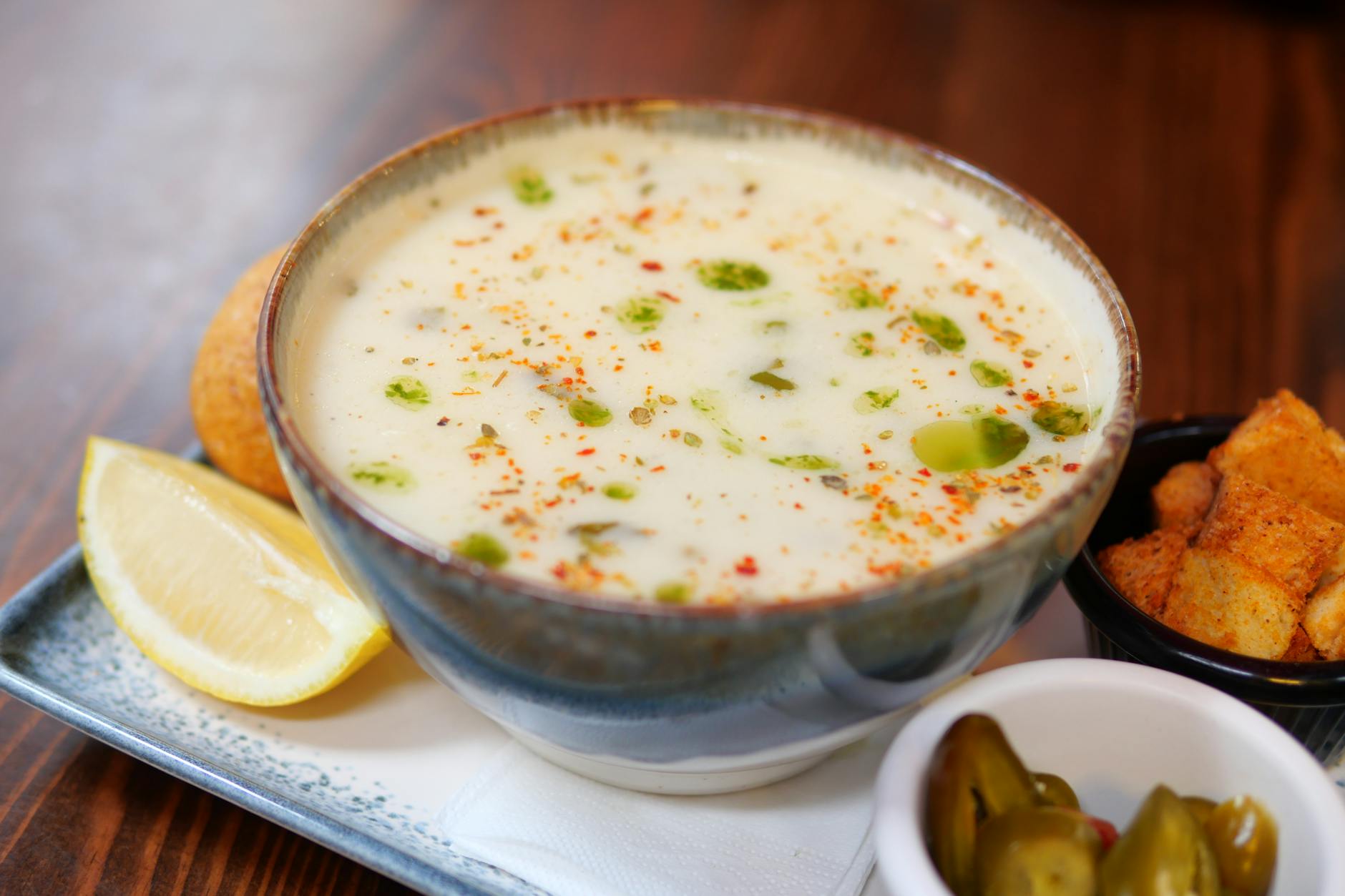
More recipes you can make
More dishes that use these ingredients, from a large public recipe collection. Ingredients and nutrition here; step-by-step instructions in the Custrd app.
- Global
Chantilly Potatoes
Uses 2 of yours35 min253 cal - Global
Basil Mashed Potatoes
Uses 2 of yours40 min203 cal - Global
New Peas & New Potatoes
Uses 2 of yours25 min450 cal - Global
Boursin Cheese Potatoes
Uses 2 of yours90 min324 cal - Global
Volcano Potatoes - Too Retro!
Uses 2 of yours50 min235 cal - Global
Horseradish Potatoes
Uses 2 of yours45 min324 cal





Have different ingredients?
Try our free ingredient finder.
Open the recipe finder →Frequently asked
Should I rinse the potato slices for a gratin?
No, and this is the one dish where you must not. The surface starch you would rinse away is exactly what thickens the cream into a sauce. Slice the potatoes and put them straight into the dish. Rinsing belongs to roast potatoes and chips, where you want dry, separate surfaces.
Can I use milk instead of cream in a gratin?
You can, but it is far more fragile. Cream fat protects the milk proteins through a long bake, while milk on its own is likely to curdle and separate. If milk is all you have, add a little flour or make a light béchamel first, and keep the oven temperature moderate.
Why does my mashed potato turn gluey?
Overworking it. Each time you mash or stir, more potato cells rupture and release starch, and past a certain point the texture becomes elastic and pasty. Use a ricer or a hand masher rather than a blender or food processor, and fold in warm cream with as few strokes as possible.
Related
Want 15+ more meal ideas from your ingredients?
Custrd finds dozens of recipes from a single fridge photo, with smart filters for diet, time, and macros.
Try Custrd free for 7 days