What Can I Make with Cream and Pasta?
Cream and pasta is a fifteen-minute sauce that needs the pasta water to work properly. The strongest match is 15-Min Penne Alla Vodka, and Custrd also matched creamy garlic pasta, creamy mushroom pasta, creamy tomato pasta and Cajun crawfish mac and cheese. Six tested recipes.
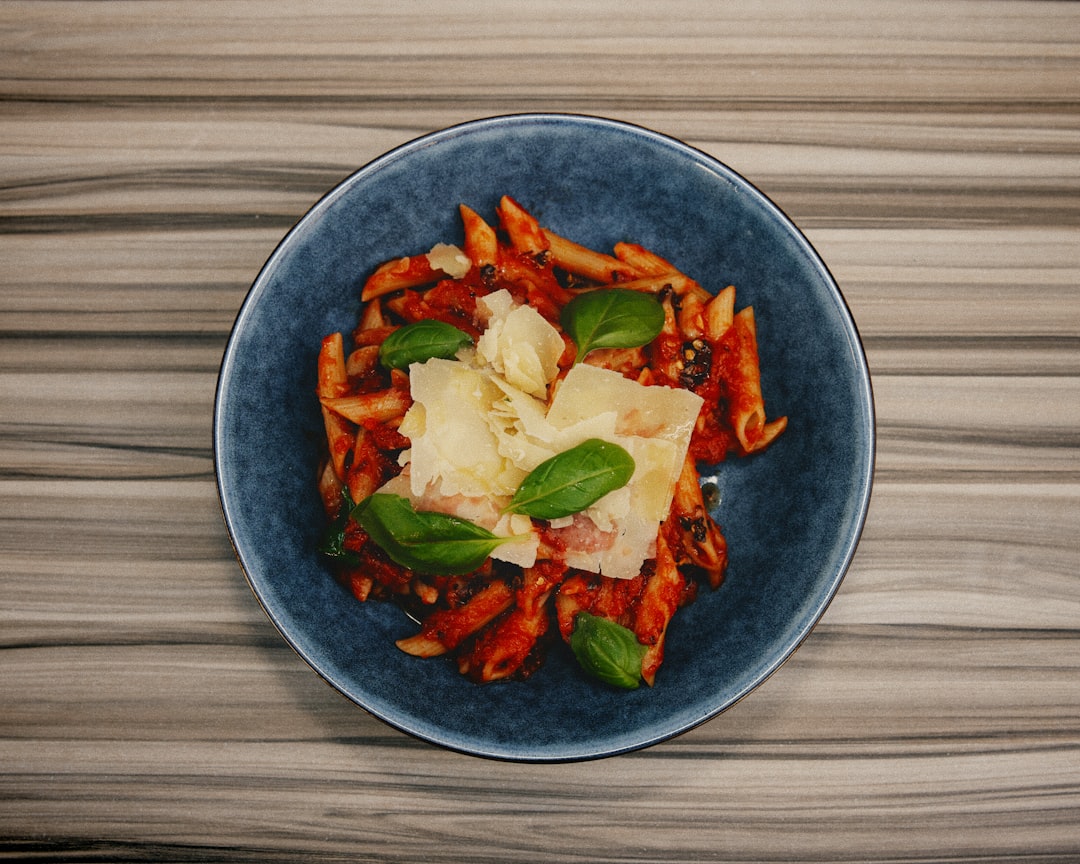 Top recipe
15-Min Penne Alla Vodka
Creamy tomato pasta made with marinara, cream, and parmesan—ready in under 5 minutes. No vodka required; the sauce is silky and satisfying as-is.
Ingredients
- •penne
- •marinara sauce
- •heavy cream
- •parmesan cheese, grated
Steps
- 1Boil penne in salted water until al dente, about 9 minutes.
- 2Pour marinara and cream into a large skillet over medium heat.
- 3Stir constantly until the sauce is smooth and just beginning to bubble, ~2 minutes.
- 4Drain pasta, reserving 1/4 cup pasta water, then add to the skillet.
- 5Toss gently until coated; add pasta water if needed to loosen the sauce.
- 6Remove from heat, stir in parmesan, and serve immediately.
Why this works
Cream on its own makes a poor pasta sauce. It is rich but slippery, and it tends to slide off the pasta and pool at the bottom of the bowl. What turns it into a sauce that clings is starch — specifically the starch that comes off the pasta into its cooking water. Adding a ladle of that cloudy water to reduced cream creates an emulsion that grips every surface, and it is the single most important step in every recipe here.
The second rule follows from the first: finish the pasta in the sauce. Draining pasta, plating it and pouring sauce over the top leaves the two as separate things. Pulling the pasta out a minute early and letting it finish in the pan means it absorbs sauce as it cooks the rest of the way, and it keeps shedding starch into the pan while it does so, thickening things further.
Cream also needs reducing. Simmered for a few minutes it loses water, concentrates in flavour and thickens on its own without any flour. Do not boil it hard, though — cream can split if pushed, particularly once acidic ingredients like tomato are involved.
Shape matters more with cream than with almost any other sauce. Ridged tubes such as penne rigate, or shapes with cups and folds, hold a heavy sauce. Smooth spaghetti gives it very little to grab. Penne alla vodka is not called that by accident; the shape is part of the recipe.
Custrd matches the cream and pasta you have against tested recipes and shows what else each one needs.
More you can make
Tap any of these to open them in Custrd — try it free for 7 days.
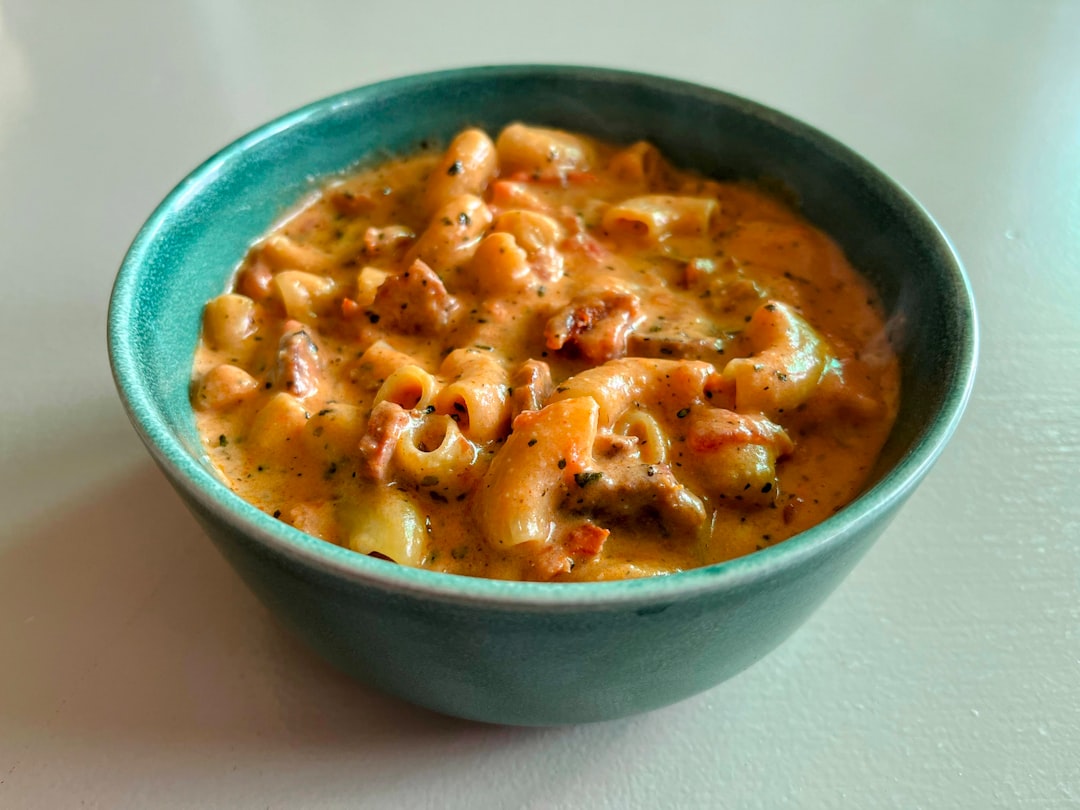
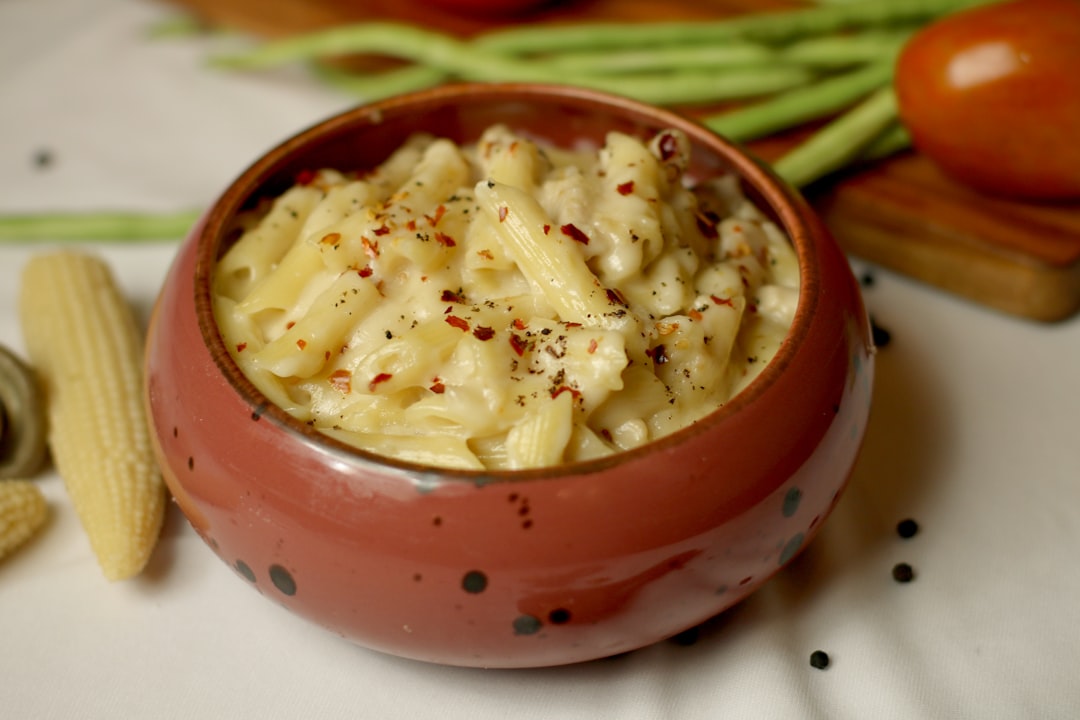
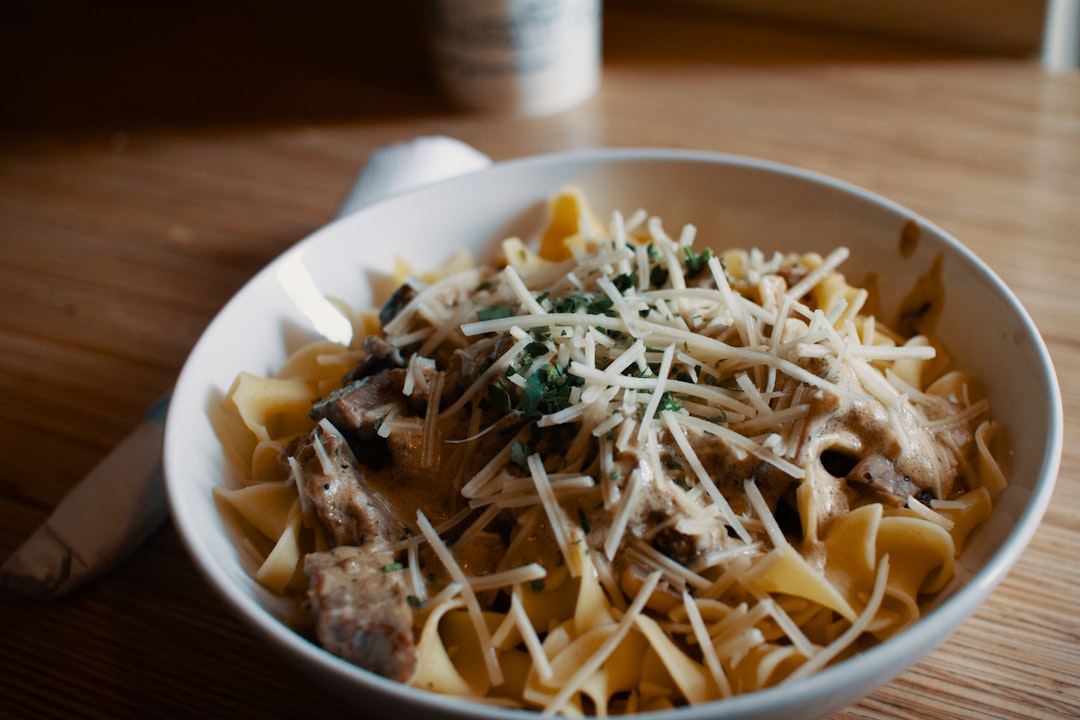
More recipes you can make
More dishes that use these ingredients, from a large public recipe collection. Ingredients and nutrition here; step-by-step instructions in the Custrd app.
- Global
Fettuccini Alfredo
Uses 2 of yours30 min393 cal - Global
Real Quick Fettuccine Alfredo
Uses 2 of yours25 min473 cal - Global
Light Alfredo Sauce With Pasta
Uses 2 of yours20 min419 cal - Global
Classic Fettuccine Alfredo
Uses 2 of yours35 min646 cal - Global
Easy Salmon Pasta
Uses 2 of yours30 min821 cal - Global
Salmon or Tuna Noodles for Two
Uses 2 of yours25 min518 cal


Have different ingredients?
Try our free ingredient finder.
Open the recipe finder →Frequently asked
Why does my cream sauce slide off the pasta?
You are missing the starch. Cream alone is slippery; the starch in pasta cooking water is what emulsifies it into a sauce that clings. Reserve a mugful before draining, then add it a splash at a time to the pan while tossing until the sauce coats every piece.
Can I make a creamy pasta without cream?
Yes — starchy pasta water plus butter or grated hard cheese produces a genuinely creamy emulsion with no cream at all. That is how cacio e pepe and many traditional Italian sauces work. Cream makes the result richer and much more forgiving, but it is not structurally necessary.
Which pasta shape suits a cream sauce?
Tubes and ridges. Penne rigate, rigatoni, shells and fusilli all have surfaces and cavities that trap a heavy sauce. Smooth long strands like spaghetti give cream almost nothing to hold onto, which is why traditional cream sauces are so often paired with short shapes.
Related
Want 15+ more meal ideas from your ingredients?
Custrd finds dozens of recipes from a single fridge photo, with smart filters for diet, time, and macros.
Try Custrd free for 7 days