What Can I Make with Tomato and Zucchini?
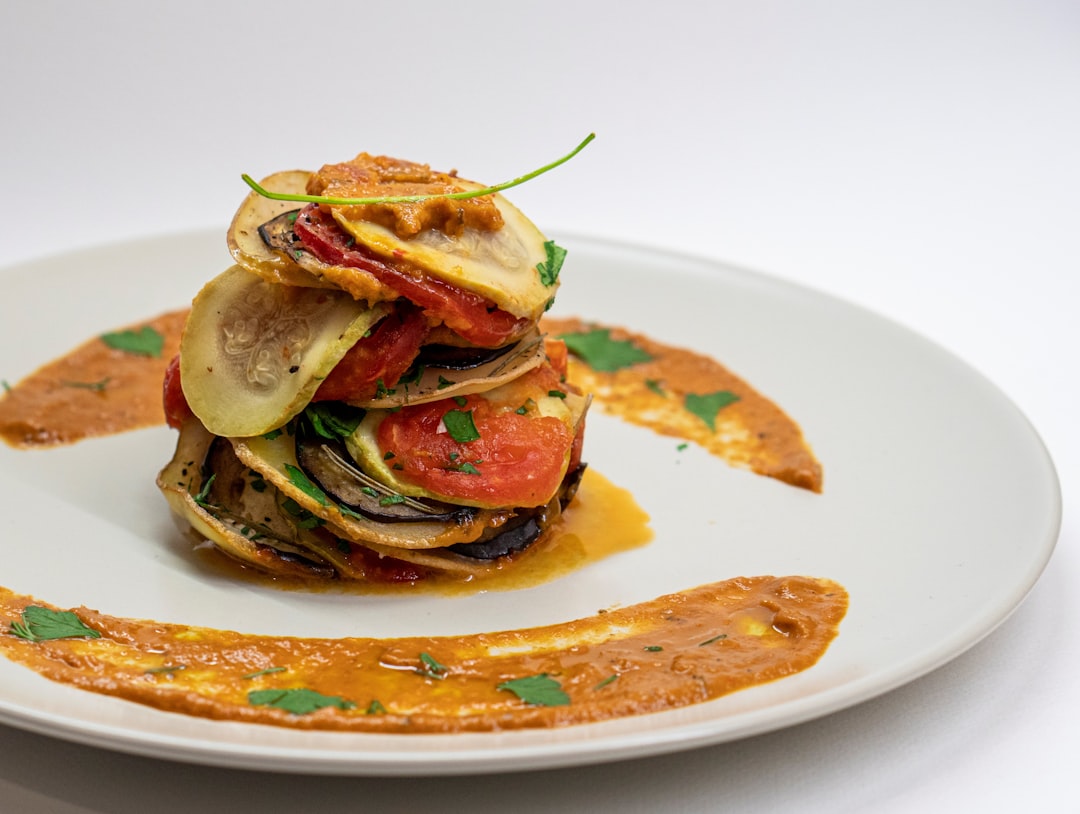
Tomato and zucchini is the late-summer glut pair, and roasting is the answer to both. The strongest match is Sheet-Pan Ratatouille with Crispy Garlic, and Custrd also matched Greek briam, a Mediterranean vegetable tian, Egyptian mahshi and garlic parmesan zucchini with tomatoes. Six tested recipes.
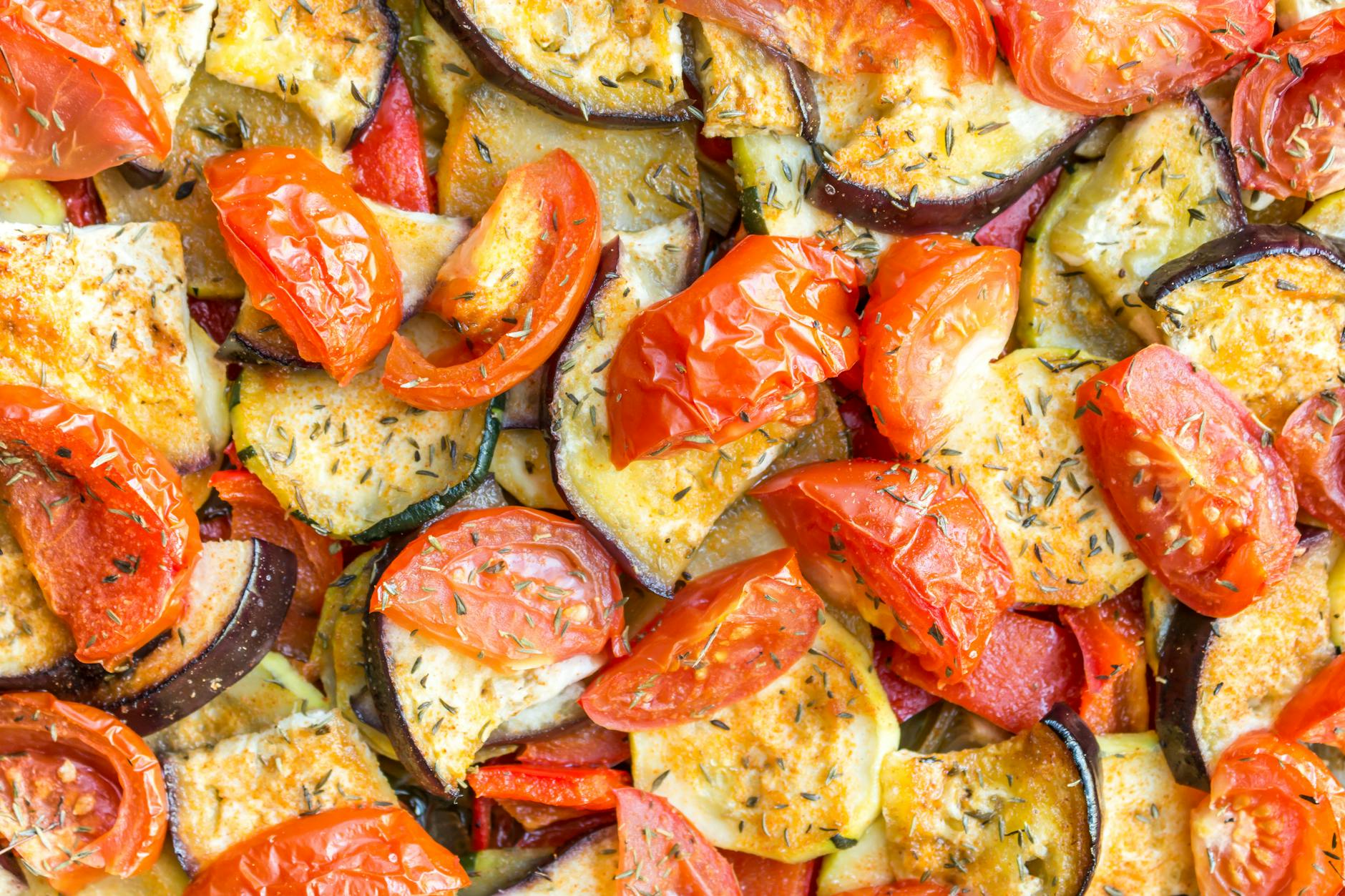 Top recipe
Sheet-Pan Ratatouille with Crispy Garlic
Charred eggplant, zucchini, and tomatoes roasted together with garlic, herbs, and a flash of balsamic. Weeknight French comfort that tastes like a Provençal garden in 20 minutes.
Ingredients
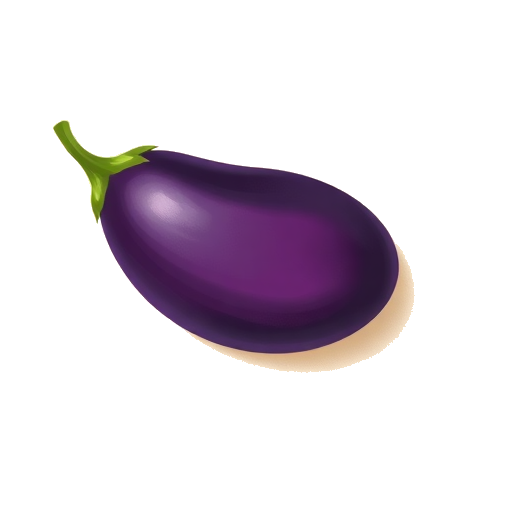
- •eggplant, cut into 3/4-inch cubes
- •zucchini, cut into 3/4-inch half-moons
- •cherry tomatoes, halved
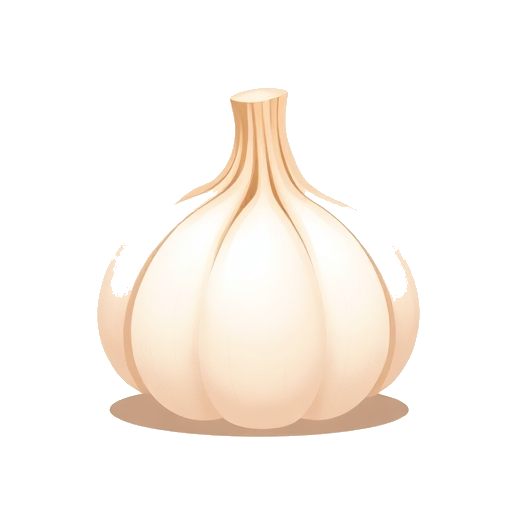
- •garlic cloves, sliced thin
- •fresh thyme or Herbes de Provence
- •balsamic vinegar
- •olive oil
Steps
- 1Toss eggplant, zucchini, tomatoes, garlic, and thyme with olive oil, salt, and pepper on a sheet pan.
- 2Spread in a single layer. Roast at 425°F for 15 minutes, stirring halfway through.
- 3Vegetables should be tender with charred edges and garlic golden and crispy.
- 4Drizzle balsamic vinegar over the top and toss gently.
- 5Taste and adjust salt and pepper. Serve warm or at room temperature.
Why this works
These two are the classic pair of the late-summer garden, and they share exactly the same weakness: both are over ninety percent water, and both taste of very little until that water is dealt with. Nearly every dish built on them is really a technique for concentrating them.
Roasting is the most reliable method. Spread out on a hot sheet pan with oil, both vegetables lose a large share of their water to evaporation while their surfaces brown, and what is left behind is far more intensely flavoured. Crowding the pan defeats this completely — the released steam has nowhere to go and you end up with pale, watery vegetables sitting in a puddle. Use the largest tray you have, and use two if necessary.
A tian arranges the same idea vertically. Overlapping thin slices standing on edge expose a great deal of surface area to the oven while staying packed tightly enough to hold their shape, so you get concentration and structure at once. Briam does the same in a flatter, more rustic form.
The division of labour between them is worth noticing. Tomato is the one bringing flavour: it is acidic and unusually rich in glutamates, which is why it reads as savoury. Zucchini brings almost none of that, but it brings body, a mild sweetness and a texture that holds together. Tomato seasons zucchini far more than the reverse, which is why a dish of zucchini alone needs a lot of help and a dish with tomato in it usually does not.
Custrd matches your tomatoes and zucchini against tested recipes and shows what else each one needs.
More you can make
Tap any of these to open them in Custrd — try it free for 7 days.
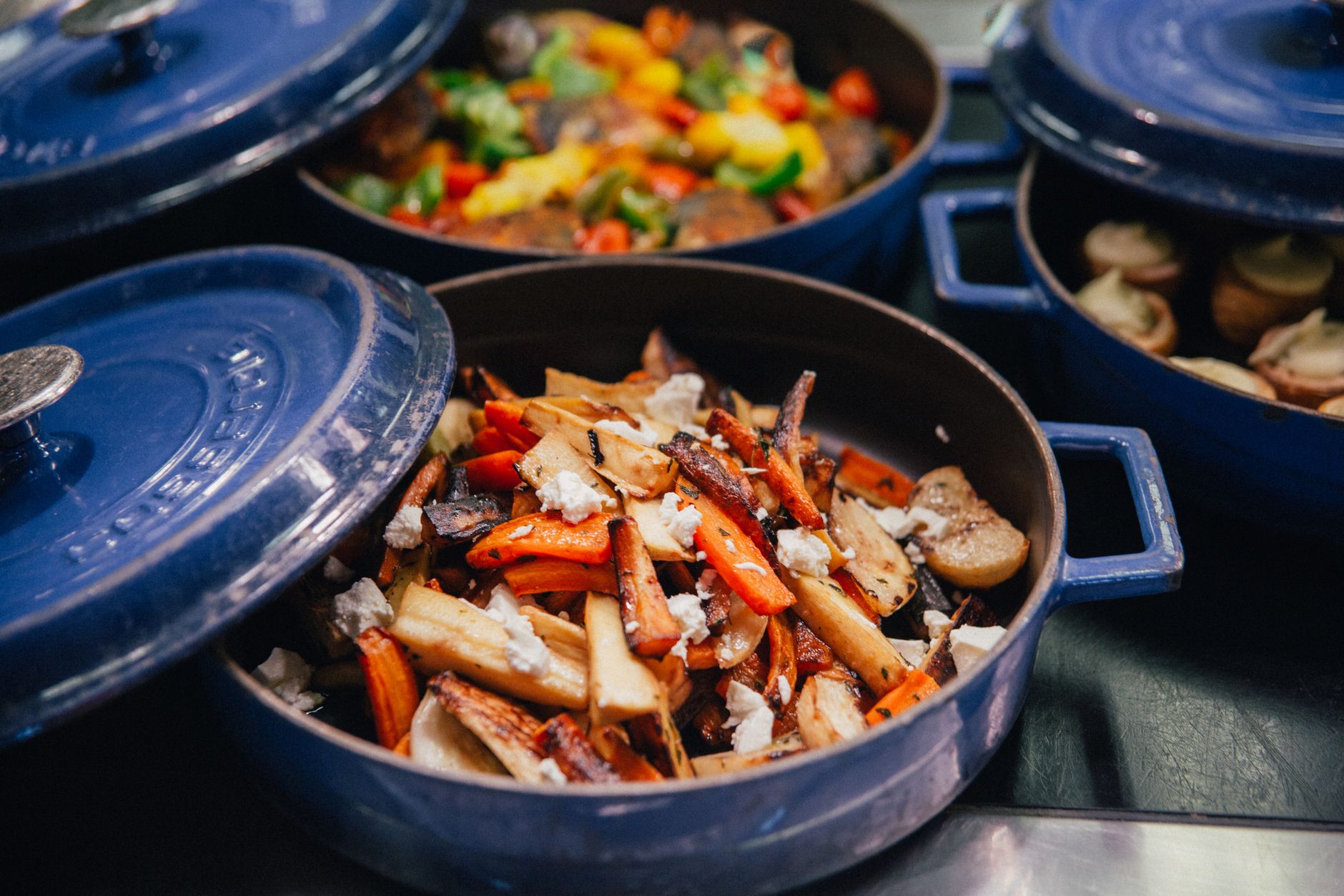
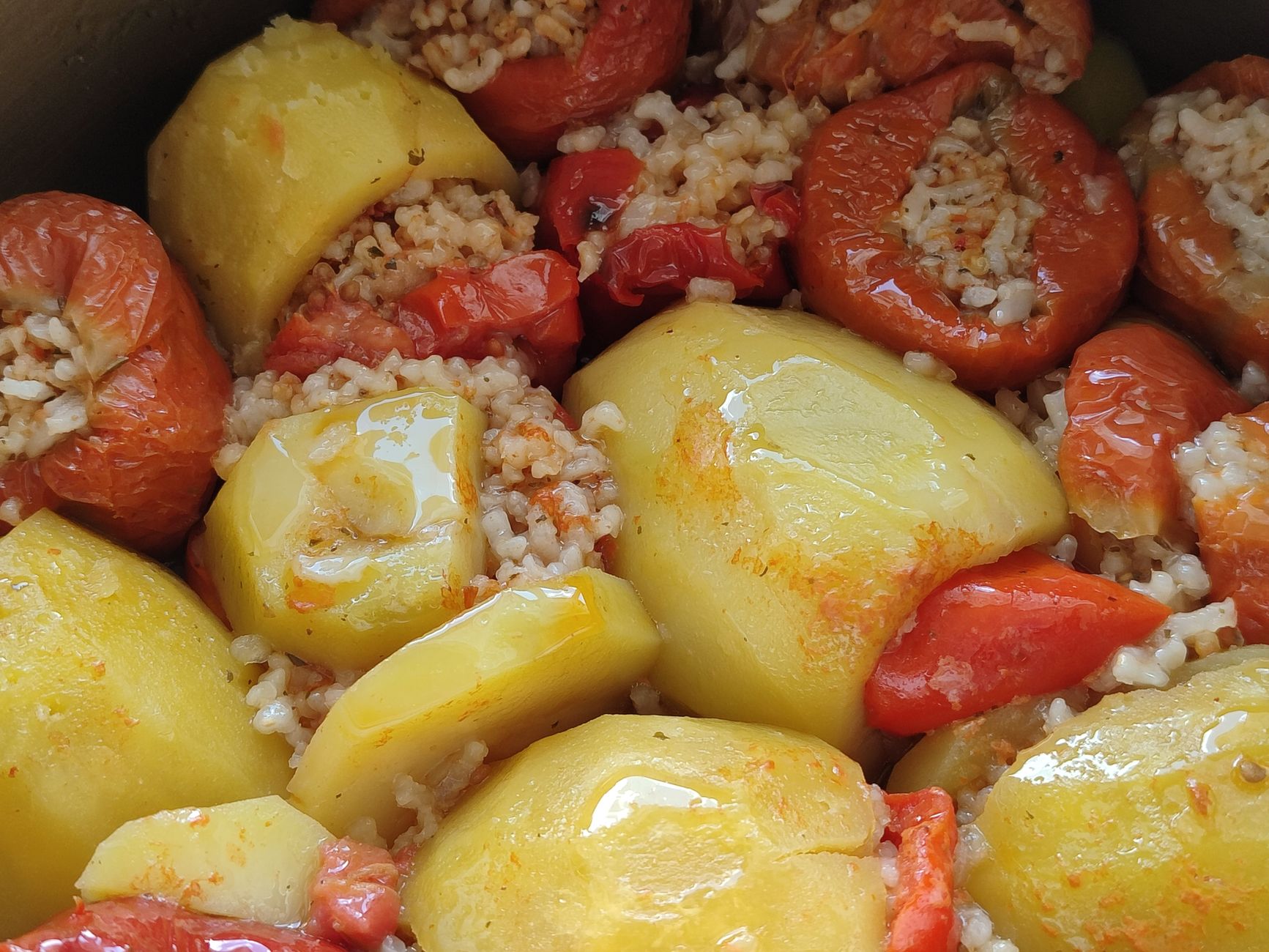
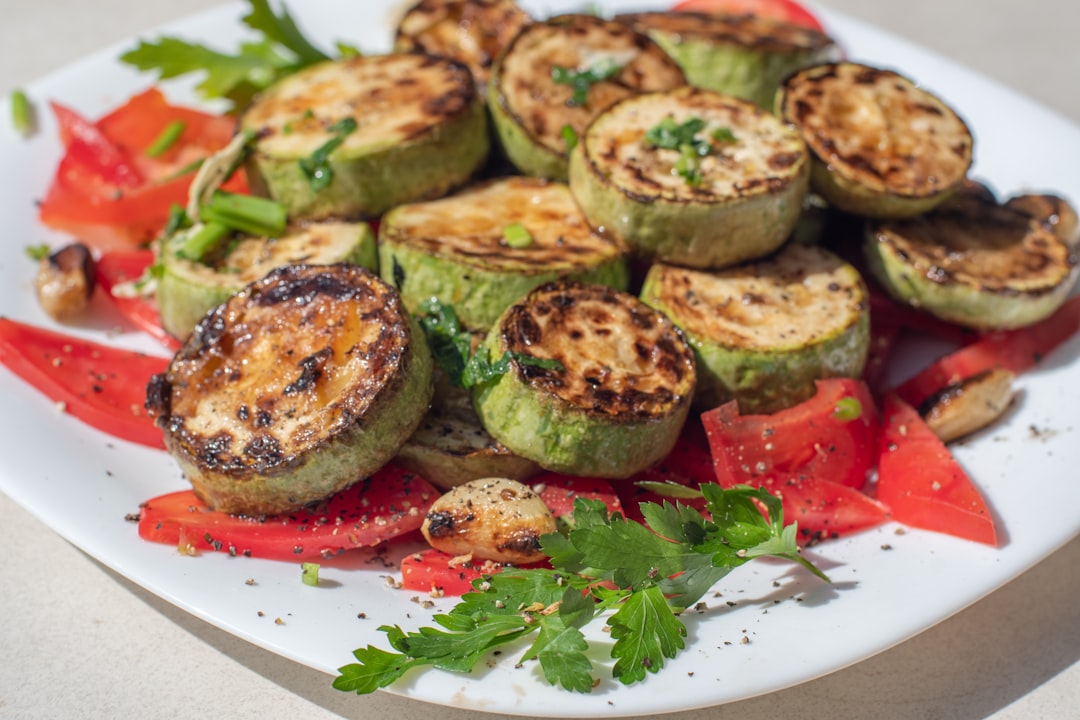

More recipes you can make
More dishes that use these ingredients, from a large public recipe collection. Ingredients and nutrition here; step-by-step instructions in the Custrd app.
- Global
Zucchini and Tomato Salad
Uses 2 of yours10 min93 cal - Global
Zucchini and Caramelized Onions
Uses 2 of yours35 min58 cal - Global
Summer Pasta Topper
Uses 2 of yours20 min91 cal - Global
Quick Roasted Vegetables
Uses 2 of yours70 min219 cal - Global
Baked Zucchini with Tomatoes
Uses 2 of yours35 min172 cal - Global
Sauteed Zucchini And Tomatoes
Uses 2 of yours10 min93 cal
Have different ingredients?
Try our free ingredient finder.
Open the recipe finder →Frequently asked
Why do my roasted vegetables come out watery?
The pan is crowded. Both tomato and zucchini release a lot of water, and if the tray is packed that steam cannot escape, so the vegetables braise instead of roasting. Spread them in a single layer with space between the pieces, use two trays if you need to, and roast them hot.
Should I salt the zucchini before cooking?
For frying and grilling, yes — twenty minutes of salting draws out enough water that it browns instead of steaming. For a slow-roasted tian or briam it matters less, because the oven has time to drive the moisture off. For a raw salad, salting is essential or it will weep into the dressing.
How thick should the slices be for a tian?
About three to five millimetres, and consistent. Too thin and the slices dry out and curl; too thick and they steam in their own moisture without concentrating. A mandoline gives the even thickness that makes the vegetables cook at the same rate and look right standing up.
Related
Want 15+ more meal ideas from your ingredients?
Custrd finds dozens of recipes from a single fridge photo, with smart filters for diet, time, and macros.
Try Custrd free for 7 days