What Can I Make with Bread and Chicken?
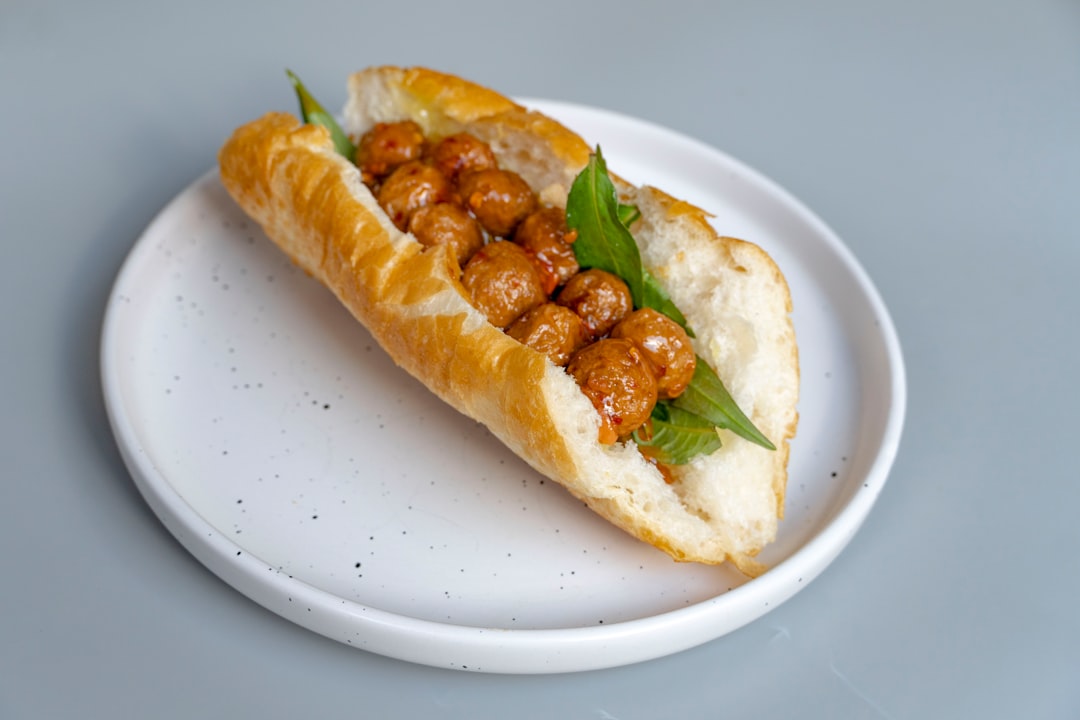
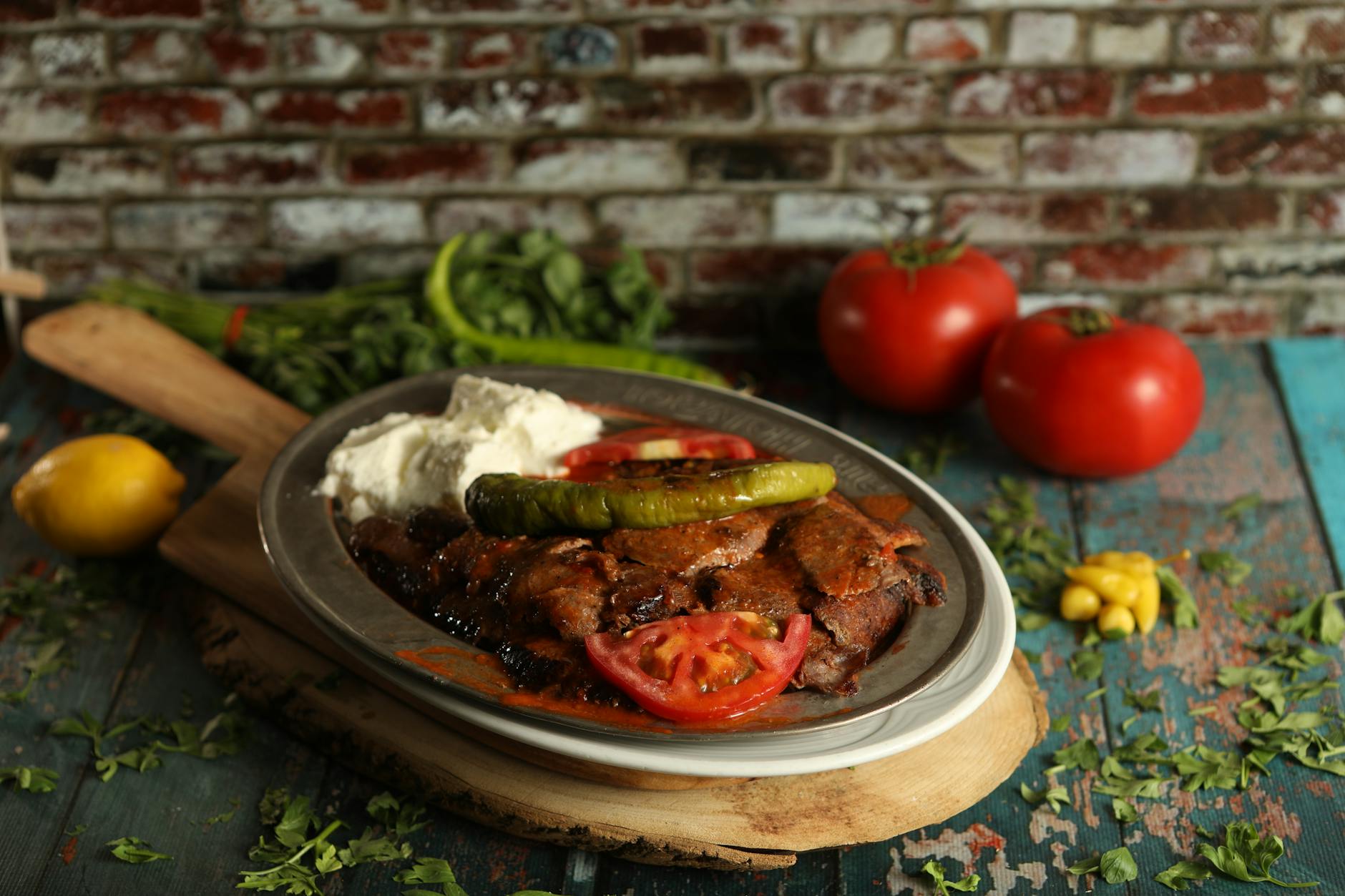
Chicken and bread is almost always about crunch — the bread is the vehicle and the coating is the point. The strongest match is a Crispy Chicken Katsu Sando, and Custrd also matched a chicken parm sandwich, a banh mi chicken sandwich, chicken iskender and garlic butter chicken with naan. Six tested recipes.
 Top recipe
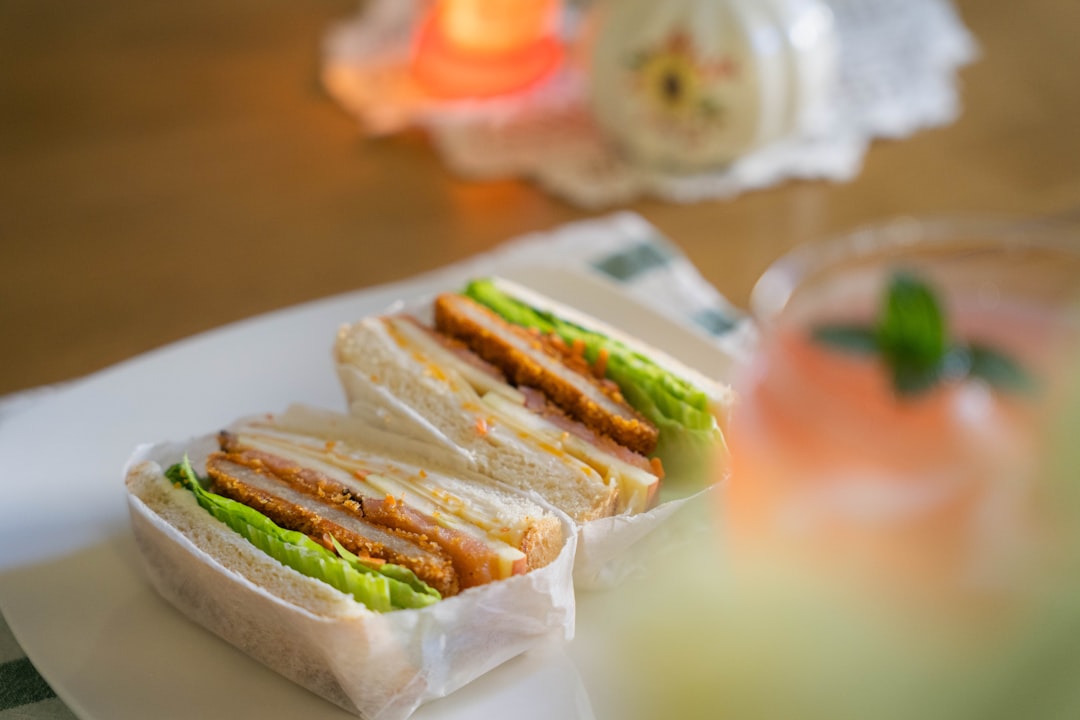
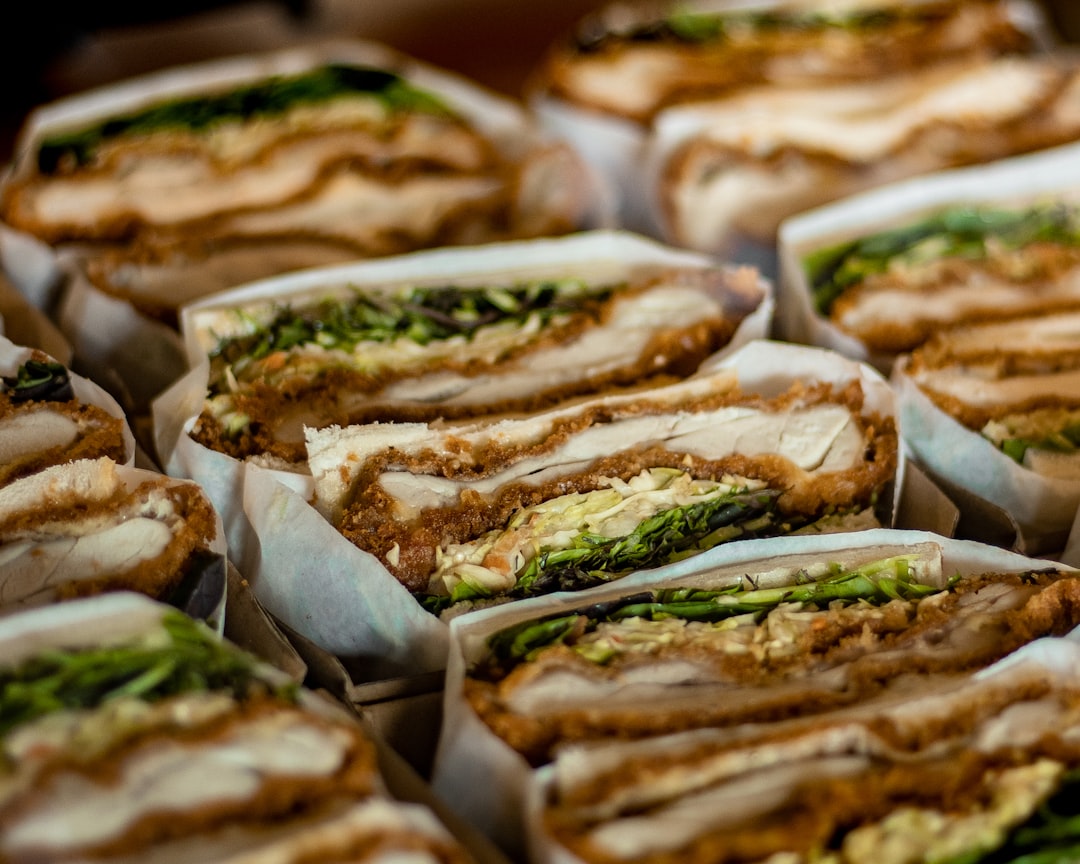
Crispy Chicken Katsu Sando
Panko-crusted chicken breast pounded thin, fried golden, and tucked into soft milk bread with tonkatsu sauce and pickled vegetables. A crunchy, juicy Japanese-style sandwich that hits in under 15 minutes.
Ingredients
- •boneless, skinless chicken breasts
- •panko breadcrumbs
- •milk bread (shokupan) or soft white bread
- •tonkatsu sauce or Worcestershire + ketchup (1:1)
- •pickled vegetables (tsukemono) or pickled ginger + cucumber
- •vegetable oil for frying
Steps
- 1Place each chicken breast between plastic wrap and pound until 1/4-inch thick using a meat mallet.
- 2Season the chicken generously with salt and black pepper on both sides.
- 3Pour panko into a shallow dish. Coat each chicken piece thoroughly, pressing so crumbs stick.
- 4Heat oil in a large skillet over medium-high heat until shimmering, about 90 seconds.
- 5Slide one chicken breast into the oil and fry 3–4 minutes per side until golden and crispy.
- 6Transfer to a paper towel. Repeat with the second breast.
- 7Spread tonkatsu sauce on the inside of two bread slices, then layer chicken, pickled vegetables, and top slice.
- 8Cut sandwiches in half diagonally and serve immediately.
Why this works
Chicken breast is the leanest common meat, and that is the problem every dish in this family is solving. Without fat it dries out fast and tastes of very little, so it needs either a crisp coating that adds texture and browning, or a sauce that puts moisture back. Bread turns out to be capable of both jobs — as crumbs it becomes the coating, and as a slice or a loaf it becomes the vehicle.
The katsu sando is the clearest expression of the first approach. A pounded cutlet is coated in panko, which is coarse, flaky and dry, and fries into a shatteringly crisp shell that seals the meat and keeps it juicy. It is then put between two slices of soft, crustless milk bread — an odd-sounding choice until you eat one, because a soft bread lets the crust be the only crunchy thing in the sandwich. A crusty roll would compete with it.
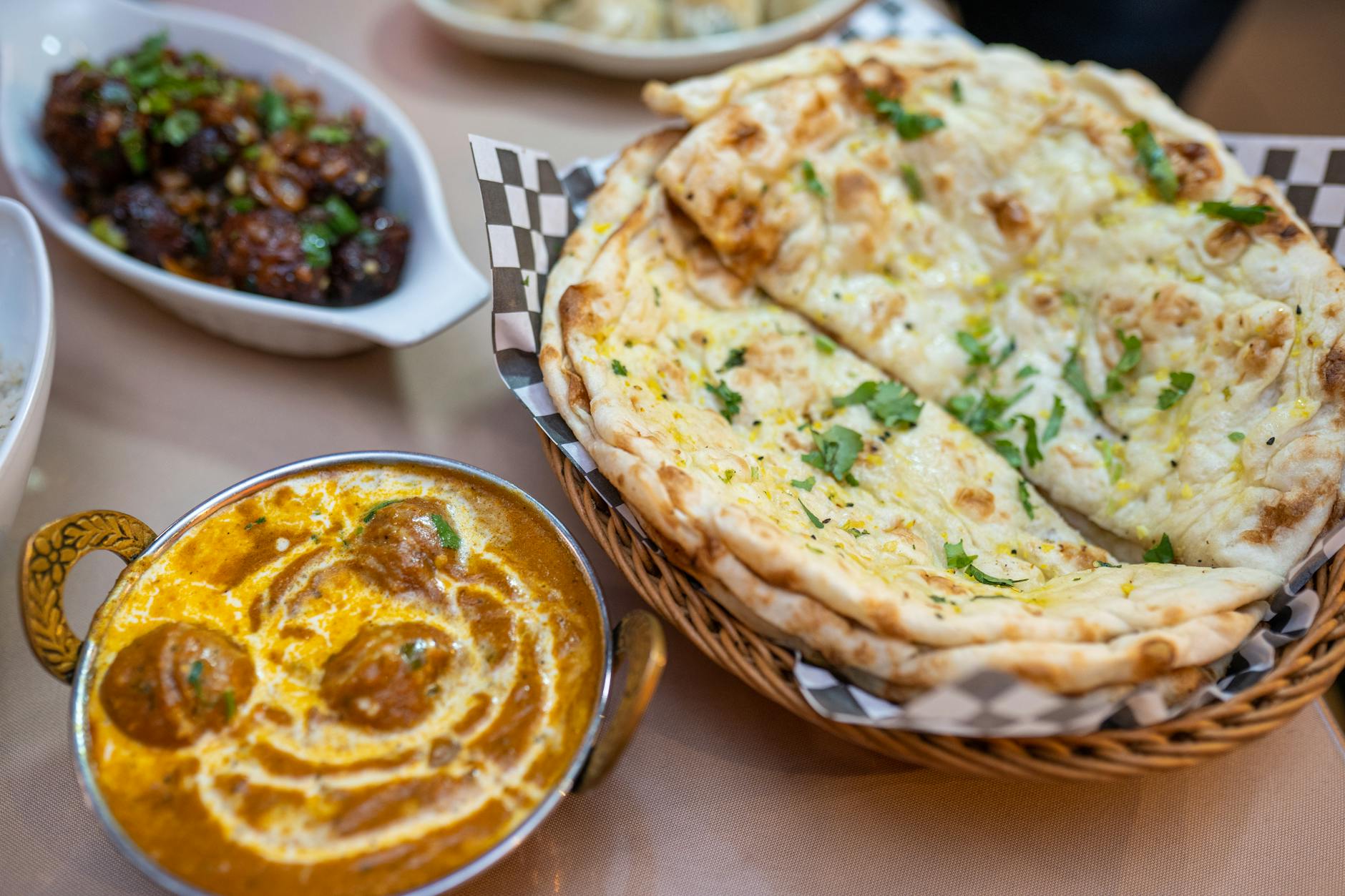
Iskender takes the opposite route entirely. There the bread is cubed and used as a bed, deliberately soaking up tomato sauce, yoghurt and melted butter from the chicken above. Nothing is crisp; the bread job is absorption. Naan alongside a garlic butter chicken does the same thing in a simpler form.
Pounding is the technique worth taking from all of these. Flattening a chicken breast to an even thickness means it cooks in a few minutes without the thin end overcooking, and it produces a wider, thinner cutlet with a much better ratio of crust to meat.
Custrd matches the chicken and bread you have against tested recipes and shows what else each one needs.
More you can make
Tap any of these to open them in Custrd — try it free for 7 days.
More recipes you can make
More dishes that use these ingredients, from a large public recipe collection. Ingredients and nutrition here; step-by-step instructions in the Custrd app.
- Global
Fried Chicken Paillard
Uses 2 of yours50 min747 cal - Global
Canapes with Chicken or Turkey Spread
Uses 2 of yours15 min84 cal - Global
Leftover Chicken Sandwich
Uses 2 of yours5 min314 cal - Global
Quenelles De Poulet
Uses 2 of yours80 min316 cal - Global
Chicken Tomato Lettuce Sandwich - so Easy and Delicious!
Uses 2 of yours10 min431 cal - Global
Cheesy Chicken Dippers
Uses 2 of yours40 min207 cal

Have different ingredients?
Try our free ingredient finder.
Open the recipe finder →Frequently asked
Why is soft bread used for a katsu sando?
So the coating is the only crunchy element. A crisp roll competes with the panko crust and the sandwich becomes hard work to eat. Soft, crustless milk bread yields immediately and lets the fried cutlet provide all the texture, which is the entire point of the sandwich.
Panko or ordinary breadcrumbs for a chicken cutlet?
Panko, if you want maximum crunch. It is made from crustless bread dried without toasting, so the flakes are larger, drier and more open, which means they absorb less oil and stay crisp for longer. Ordinary dried crumbs give a finer, denser, more uniform coating.
Should I pound the chicken breast flat?
For any sandwich, yes. An even thickness means the whole cutlet cooks in the same few minutes with no dry, overcooked thin end. It also gives a wider, thinner piece with far more crust relative to meat, and it fits the shape of a slice of bread instead of doming in the middle.
Related
Want 15+ more meal ideas from your ingredients?
Custrd finds dozens of recipes from a single fridge photo, with smart filters for diet, time, and macros.
Try Custrd free for 7 days