What Can I Make with Carrot and Egg?
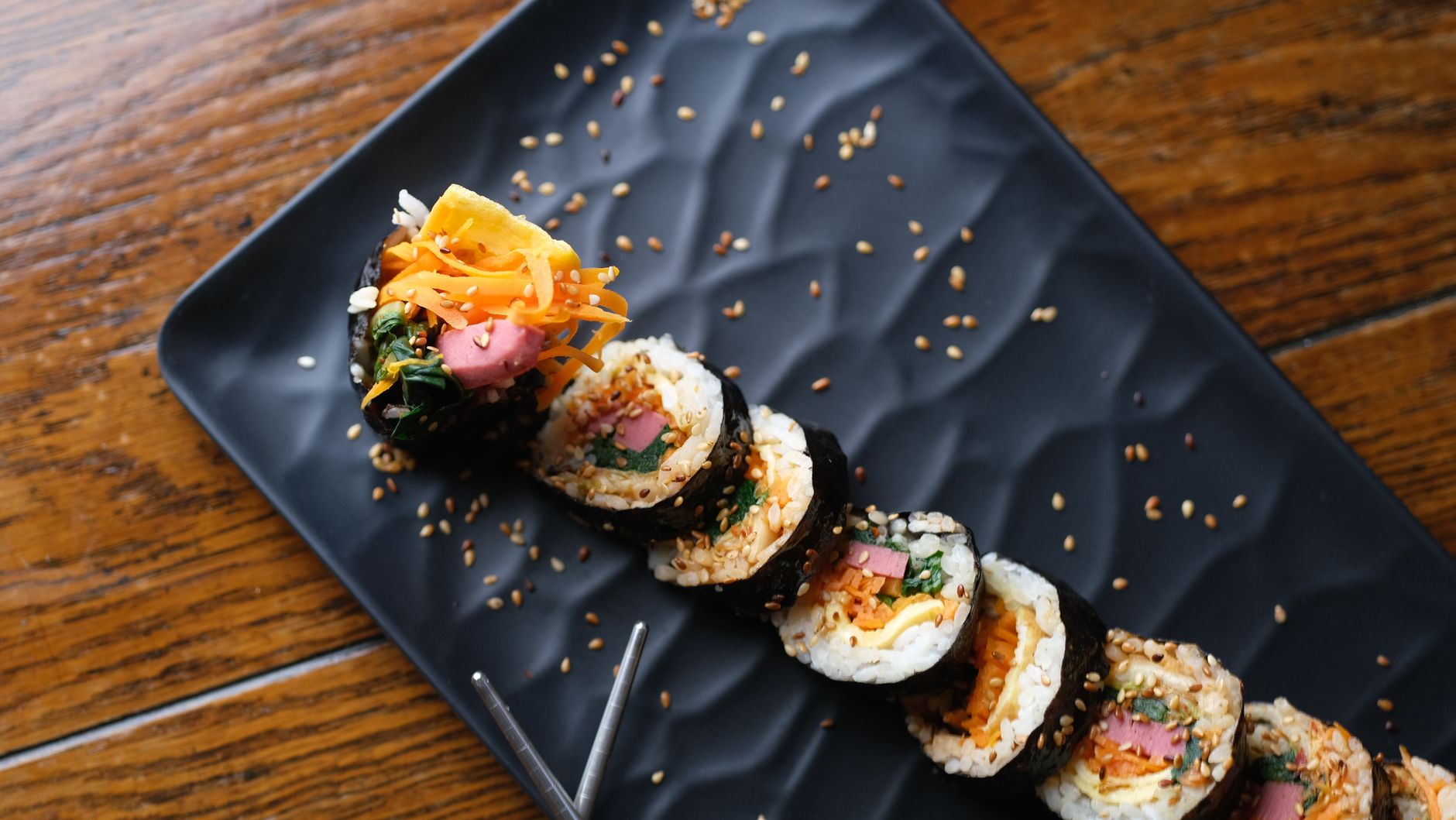
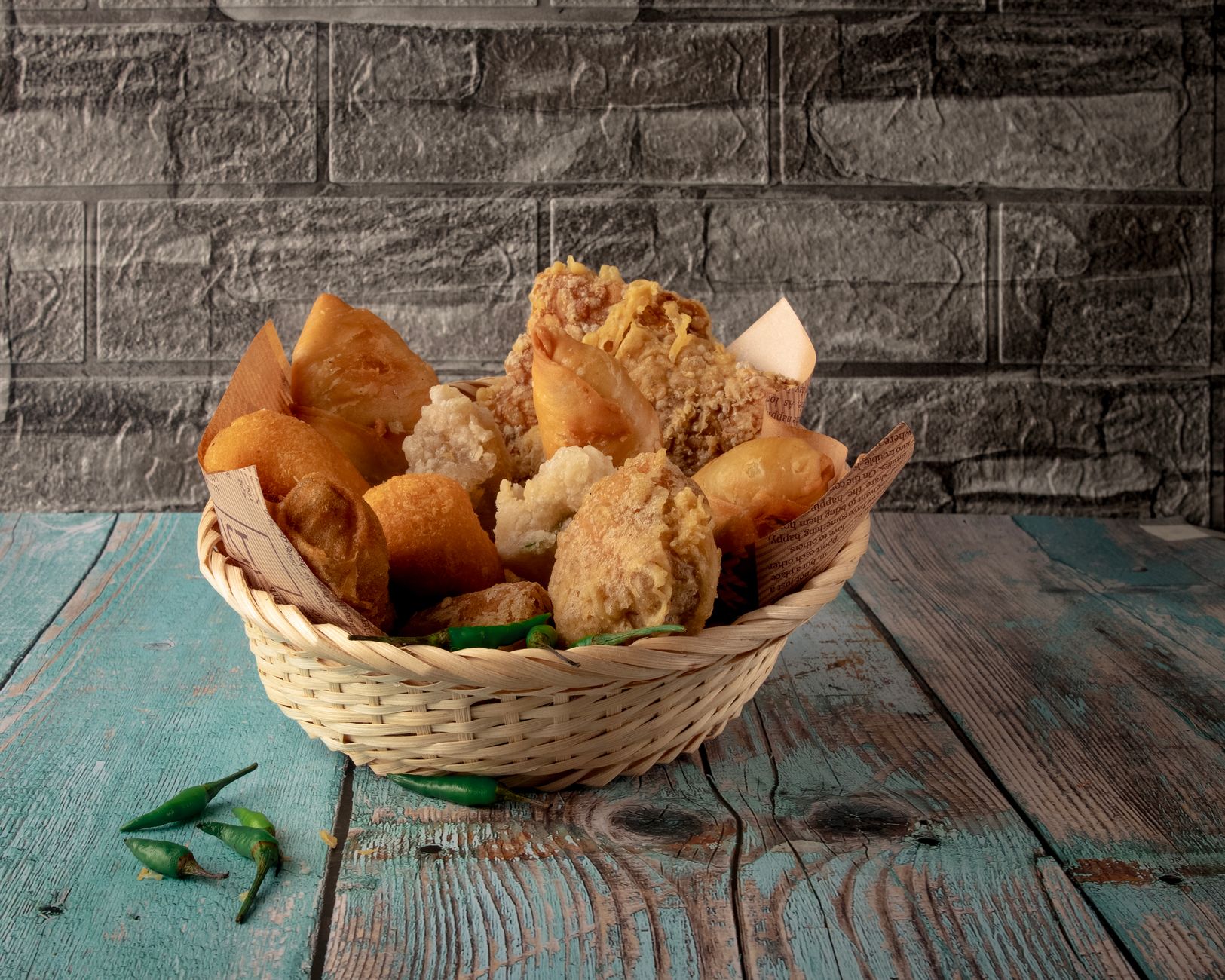
Carrot and egg goes two ways: baked into cake, or bound into a fritter. The strongest match is Classic Carrot Cake, where grated carrot keeps the crumb moist, and Custrd also matched crispy carrot fritters, Korean kimbap and a bibimbap rice bowl. Six real, tested recipes.
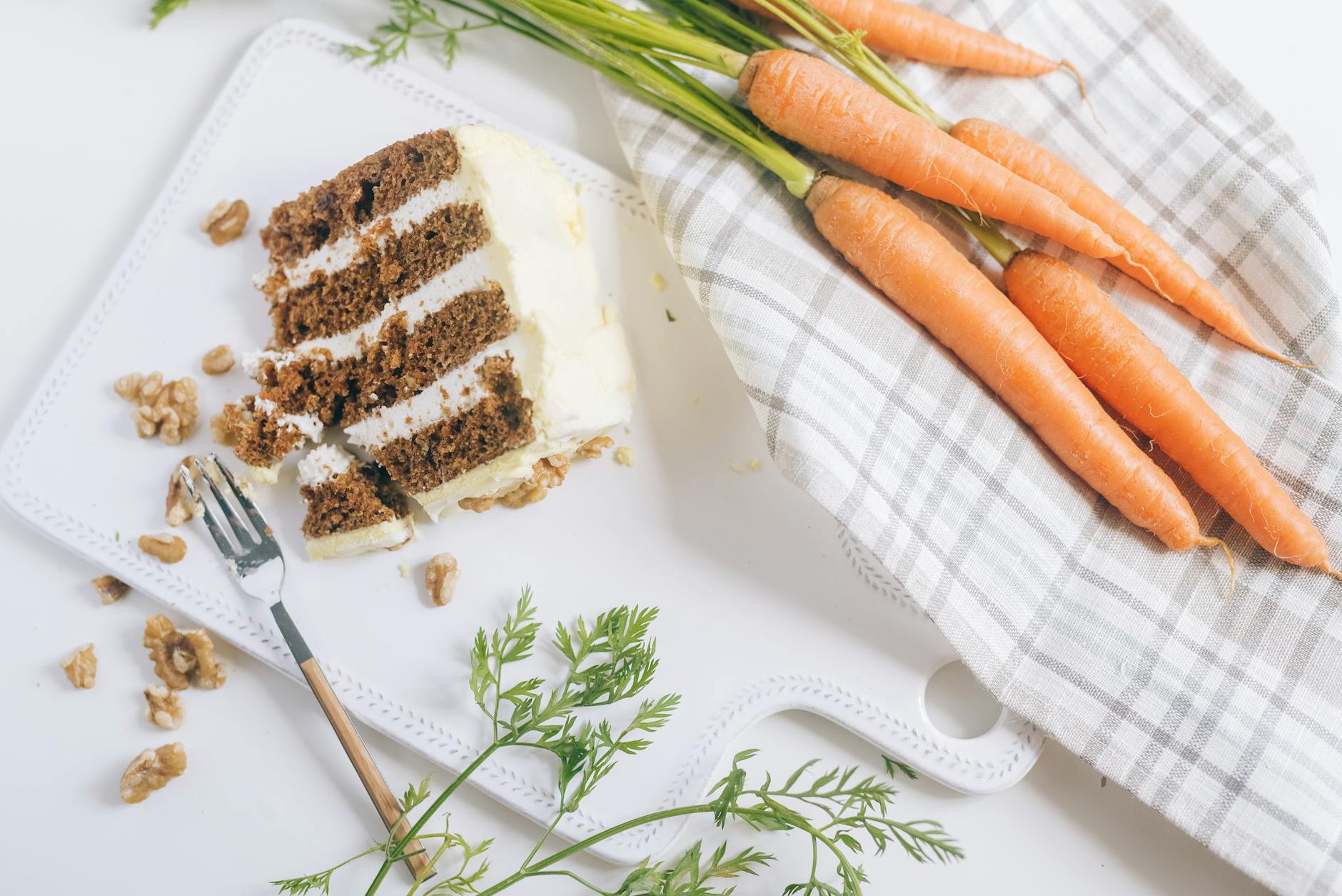 Top recipe
Classic Carrot Cake
A moist, spiced cake loaded with shredded carrots, crushed pineapple, and topped with tangy cream cheese frosting. Vegetarian comfort baking that's impressive enough for any occasion.
Ingredients
- •all-purpose flour
- •baking soda
- •baking powder
- •ground cinnamon
- •ground nutmeg
- •ground ginger
- •fine sea salt
- •vegetable oil
- •granulated sugar
- •large eggs
- •vanilla extract
- •medium carrots, peeled and grated
- •canned crushed pineapple (with juice)
- •chopped walnuts or pecans
- •unsweetened coconut flakes
- •unsalted butter, softened
- •full-fat cream cheese, softened
- •powdered sugar
- •vanilla extract
- •fine sea salt
Steps
- 1Position an oven rack in the middle of your oven and preheat to 350°F. Lightly grease two 9-inch round cake pans with cooking spray and line the bottoms with parchment paper — this ensures even baking and easy release.
- 2In a medium bowl, whisk together 2 cups all-purpose flour, 2 teaspoons baking soda, 1 teaspoon baking powder, 2 teaspoons ground cinnamon, 0.5 teaspoon ground nutmeg, 0.5 teaspoon ground ginger, and 0.5 teaspoon fine sea salt. Set aside.
- 3Peel 3 medium carrots and grate them on a box grater into thin shreds — you should have about 3 cups loosely packed. Drain the 0.75 cup canned crushed pineapple in a fine-mesh strainer, pressing gently to remove excess juice (save 2 tablespoons of juice for the frosting). Roughly chop 0.75 cup walnuts or pecans into 1/4-inch pieces.
- 4In a large bowl, whisk together 1.5 cups vegetable oil and 2 cups granulated sugar until well combined. Add 3 large eggs one at a time, whisking vigorously after each addition until pale and slightly frothy. This incorporates air for a tender crumb.
- 5Whisk in 1.5 teaspoons vanilla extract. Gently fold in the dry ingredients using a rubber spatula, stirring just until combined and no flour streaks remain — overmixing develops gluten, which makes the cake tough.
- 6Fold in the shredded carrots, drained crushed pineapple, chopped nuts, and 0.5 cup unsweetened coconut flakes until evenly distributed throughout the batter.
- 7Divide the batter evenly between the two prepared pans, using a rubber spatula to smooth the tops level. Place both pans in the preheated 350°F oven on the middle rack, leaving space for heat to circulate.
- 8Bake for 32-36 minutes, until a wooden toothpick inserted in the center of each cake comes out clean or with just a few moist crumbs — do not overbake or the cake will be dry. The tops should be lightly golden and spring back when gently pressed.
- 9Remove the pans from the oven and let the cakes cool in the pans for 15 minutes — this allows the structure to set. Run a thin offset spatula around the inside edges of each pan to loosen the cake, then invert onto wire racks. Peel away the parchment paper and let cool completely, about 1 hour, before frosting.
- 10While the cakes cool, make the frosting. In a large bowl, beat 0.5 cup softened unsalted butter and 8 ounces softened full-fat cream cheese together on medium speed with an electric mixer for 2-3 minutes, until smooth and creamy. Scrape down the bowl occasionally to ensure even mixing.
- 11Add 3 cups powdered sugar, 1 teaspoon vanilla extract, the reserved 2 tablespoons pineapple juice, and 0.25 teaspoon fine sea salt. Beat on medium speed for 2-3 minutes until light, fluffy, and spreadable. Do not overbeat or the frosting will become greasy.
- 12Place one cooled cake layer on a cake board or serving plate. Spread 0.75 cup of frosting evenly across the top using an offset spatula, leaving a 0.5-inch border from the edge — this prevents frosting from squishing out when you stack the layers.
- 13Place the second cake layer on top, aligning it gently. Spread the remaining frosting in a thin crumb coat across the top and sides. Refrigerate for 15 minutes to set this layer, then apply a final generous coat of frosting, creating decorative swirls with an offset spatula or the back of a spoon.
- 14Garnish the top with toasted coconut flakes or crushed candied carrots if desired. Slice into 12 wedges and serve at room temperature or chilled. Store covered in the refrigerator for up to 4 days.
Why this works
Grated carrot behaves in a cake batter much the way apple or courgette does: it is mostly water held inside plant cells, and it releases that water slowly during baking. The result is a crumb that stays moist for days without needing extra fat or syrup. Egg does the opposite job — it sets, gives structure, and traps the air beaten into the batter. One supplies moisture, the other supplies the framework that holds it, which is why carrot cake tolerates a heavy load of nuts, spice and oil that would sink an ordinary sponge.
The same two ingredients make a completely different thing when you reverse the ratio. In a fritter the carrot is the bulk and the egg is only a binder, present in just enough quantity to glue the shreds together until starch and protein set in hot oil. The critical step there is the opposite of the cake: you salt and squeeze the grated carrot first, because water that helps a cake will make a fritter steam and fall apart. A dry mix fries; a wet one boils.
In Korean cooking the pair is kept deliberately separate. In kimbap and bibimbap the egg is cooked as a thin sheet or a fried yolk and the carrot as a lightly stir-fried julienne, then both are laid alongside the rice as distinct stripes. Nothing is bound at all — the interest is in colour and in the contrast between soft egg and crisp carrot.
Custrd matches the carrots and eggs you have against tested recipes and shows what else each one calls for.
More you can make
Tap any of these to open them in Custrd — try it free for 7 days.
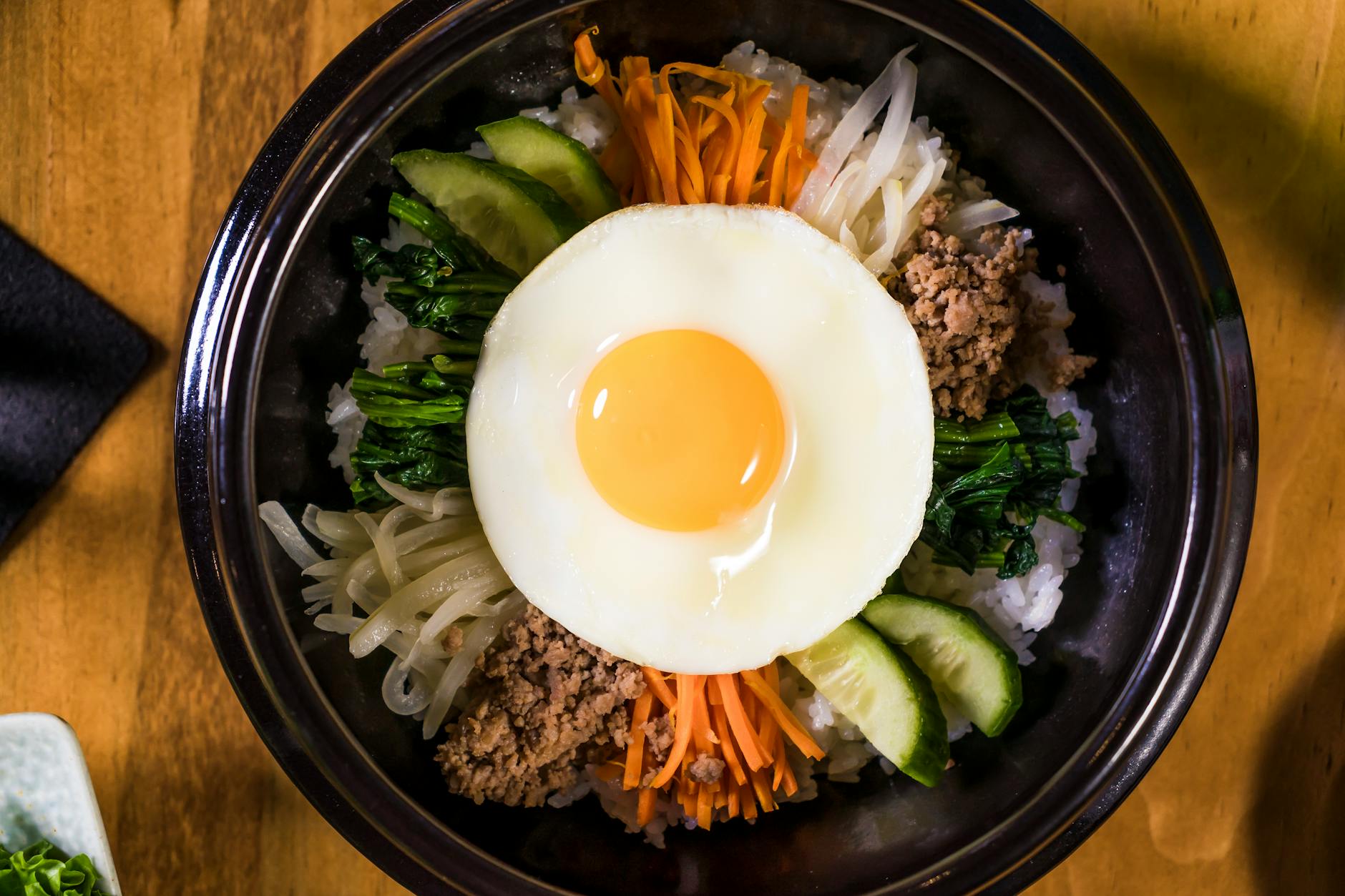
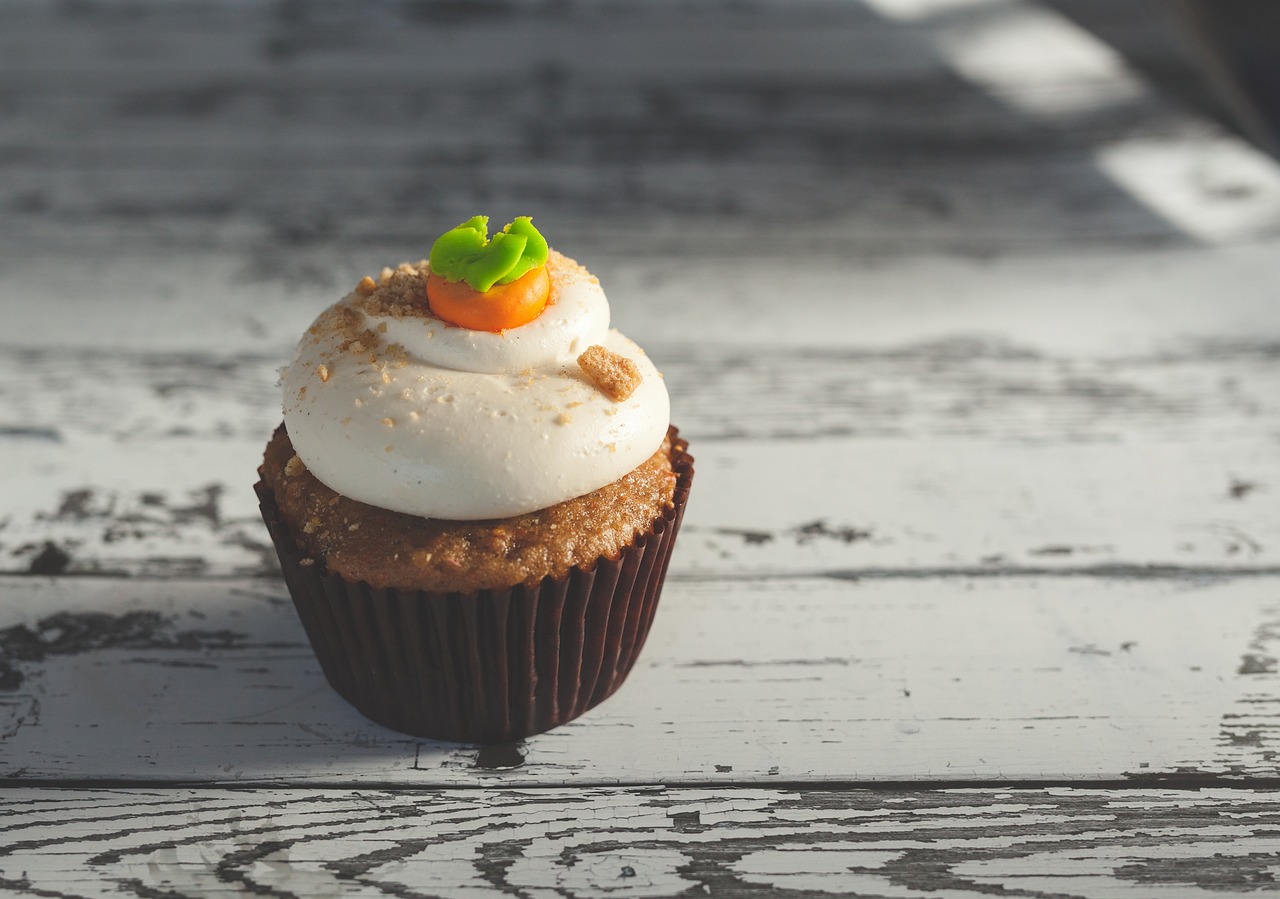
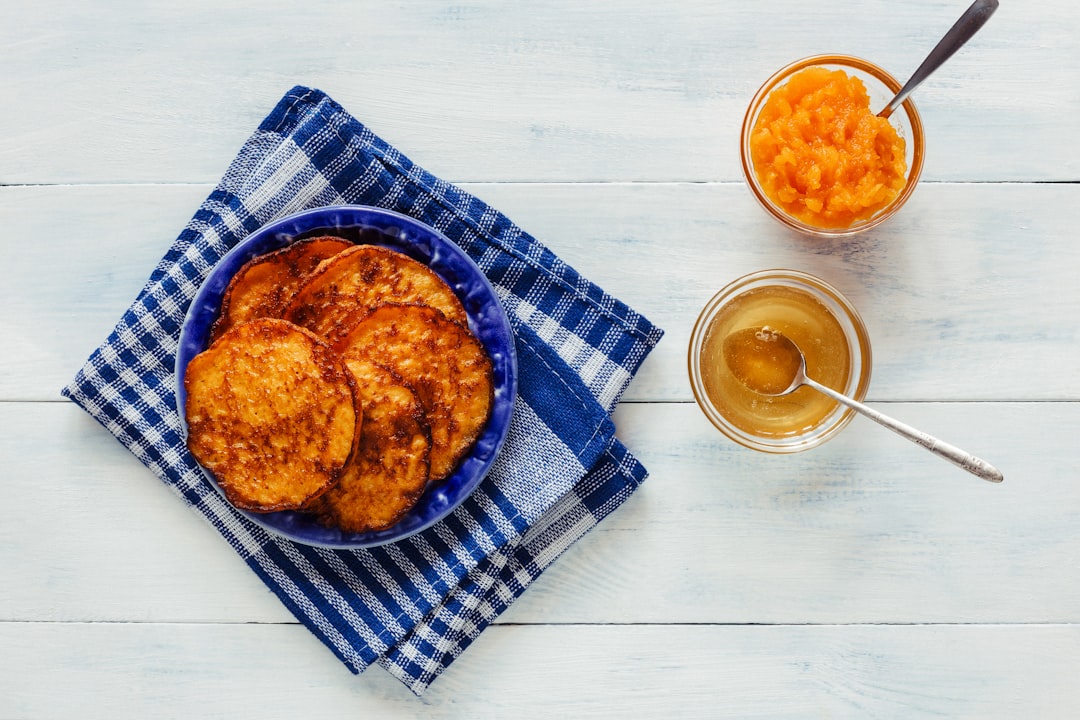
More recipes you can make
More dishes that use these ingredients, from a large public recipe collection. Ingredients and nutrition here; step-by-step instructions in the Custrd app.
- Global
Carrot Cake
Uses 2 of yours55 min402 cal - Global
George Carrot Cake
Uses 2 of yours80 min434 cal - Global
Carrot Pancakes
Uses 2 of yours20 min52 cal - Global
Halloween or Fall Bunnicula Carrot Bread
Uses 2 of yours70 min290 cal - Global
Bob Carrot Mold
Uses 2 of yours60 min376 cal - Global
Carrot Spatzle
Uses 2 of yours25 min436 cal


Have different ingredients?
Try our free ingredient finder.
Open the recipe finder →Frequently asked
Should I squeeze the grated carrot before using it?
It depends entirely on the dish. For fritters, yes — salt the shreds, wait ten minutes, then wring them out hard, or the batter will be too loose to hold together. For carrot cake, absolutely not: that water is exactly what keeps the crumb moist over the following days.
How fine should the carrot be grated?
For cake, use the fine or medium side of a box grater so the shreds soften completely and disappear into the crumb. For fritters, coarse shreds give better texture and more crisp edges. For kimbap and rice bowls, cut long matchsticks by hand so they stay visible and keep some bite.
Can I make carrot fritters without flour?
Yes, if you use enough egg and squeeze the carrot properly. Egg alone will bind coarse shreds once it sets in the pan, though the result is more delicate and needs a gentler flip. A spoonful of flour or starch mostly buys insurance against a wet mix rather than better flavour.
Related
Want 15+ more meal ideas from your ingredients?
Custrd finds dozens of recipes from a single fridge photo, with smart filters for diet, time, and macros.
Try Custrd free for 7 days