What Can I Make with Cucumber and Egg?
Cucumber and egg meet most often in Asian rice bowls and in creamy potato salads. The strongest match is a 15-Min Bibimbap Rice Bowl, and Custrd also matched Japanese potato salad, veggie kimbap and banh mi trung. Six real, tested recipes rather than AI guesses.
 Top recipe
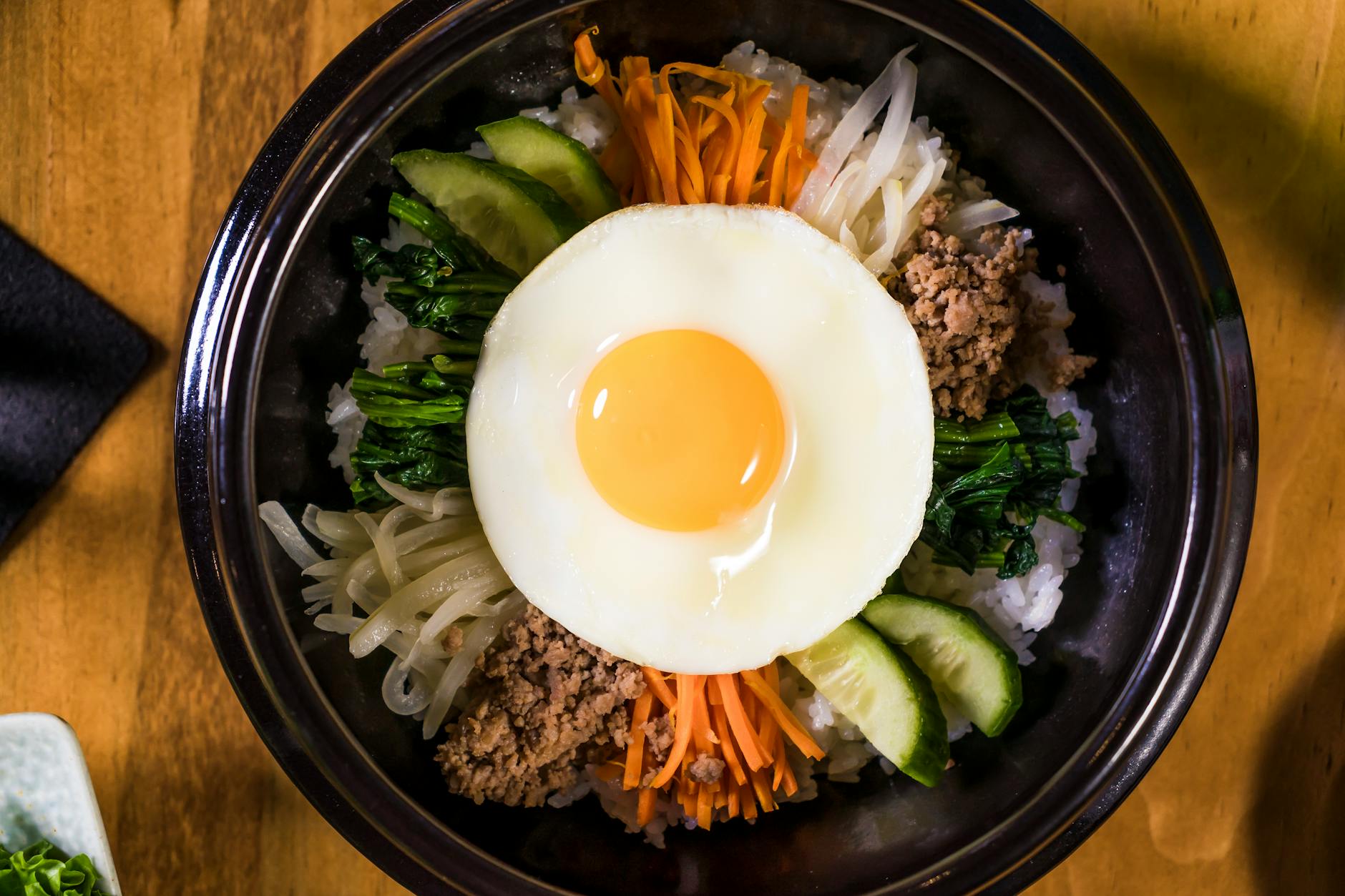
15-Min Bibimbap Rice Bowl
Warm rice topped with crispy fried egg, quick-pickled veggies, and spicy gochujang sauce. A one-pan Korean classic that feels fancy but takes less time than ordering.
Ingredients
- •cooked rice (warm)
- •gochujang (Korean red chili paste)
- •eggs
- •cucumber
- •carrot
- •sesame seeds
Steps
- 1Slice cucumber and carrot into thin matchsticks.
- 2Mix gochujang with 1 tbsp water and 0.5 tbsp white vinegar until smooth and pourable.
- 3Heat 1 tbsp oil in a skillet over medium-high until shimmering.
- 4Crack eggs into the skillet and fry until whites set but yolks still jiggle, ~3 minutes.
- 5Divide warm rice between two bowls. Top each with cucumber, carrot, and one fried egg.
- 6Drizzle gochujang sauce over the top. Sprinkle sesame seeds and serve immediately.
Why this works
This is a contrast pairing, not a flavour pairing. Egg is soft, rich and coats the mouth; cucumber is cold, crunchy and almost entirely water. Neither tastes of much on its own, but together they cover two opposite sensations, which is why they end up in the same bowl so often across Korean, Japanese and Vietnamese cooking.
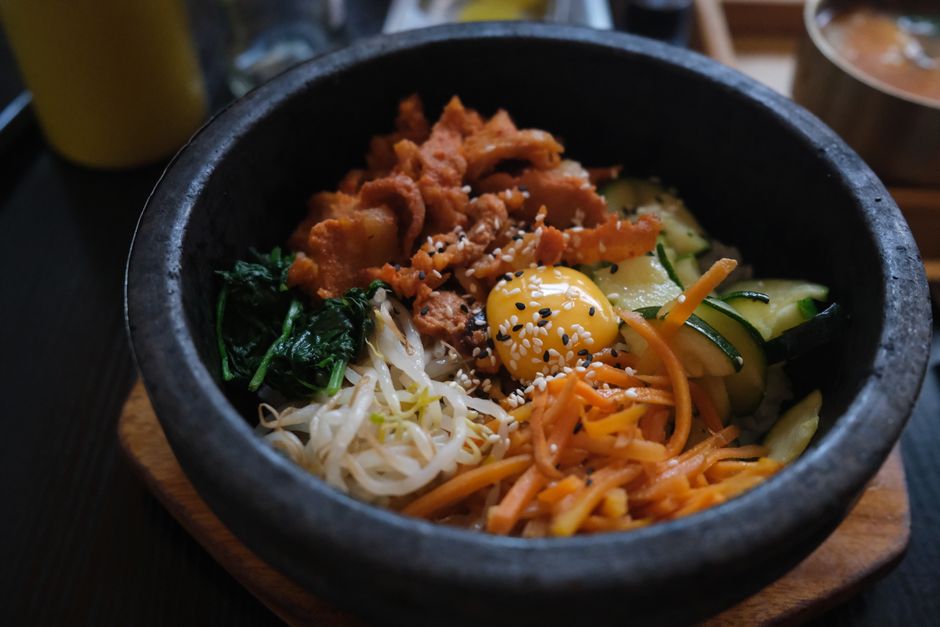
In a bibimbap bowl the arrangement is deliberate. A runny yolk is the sauce, coating the rice as you mix; the cucumber batons are the only element that stays cold and crisp through the stirring. Take the cucumber out and the bowl becomes uniformly soft. The same logic drives banh mi trung, where the fried egg is rich and slightly oily and the pickled cucumber is what stops each bite feeling heavy.
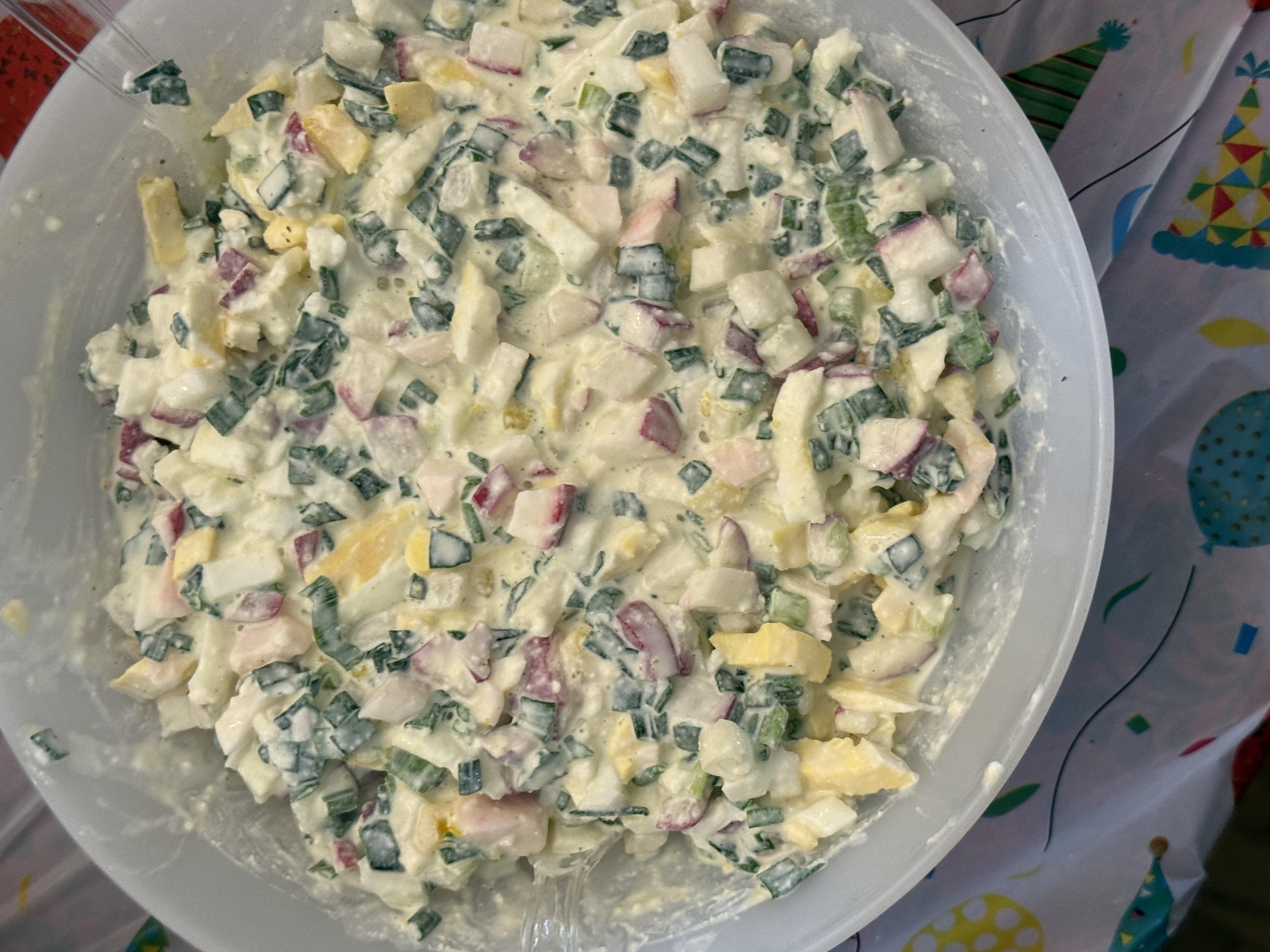
Japanese potato salad shows the other half of the technique. Here the cucumber is sliced paper-thin, salted, and wrung out before it goes anywhere near the mayonnaise, because an undrained cucumber will water down a dressing within minutes. Once it has given up its liquid the slices stay crisp and season the salad instead of diluting it. Chopped hard-boiled egg then adds richness and body that potato alone cannot provide.
The practical rule across all of these is timing. Egg wants to be freshly cooked and warm, or cooked and thoroughly chilled; cucumber wants to be cut as late as possible. Prepare them separately and combine at the last moment.
Custrd matches the eggs and cucumber you have against tested recipes and shows what else each one needs.
More you can make
Tap any of these to open them in Custrd — try it free for 7 days.

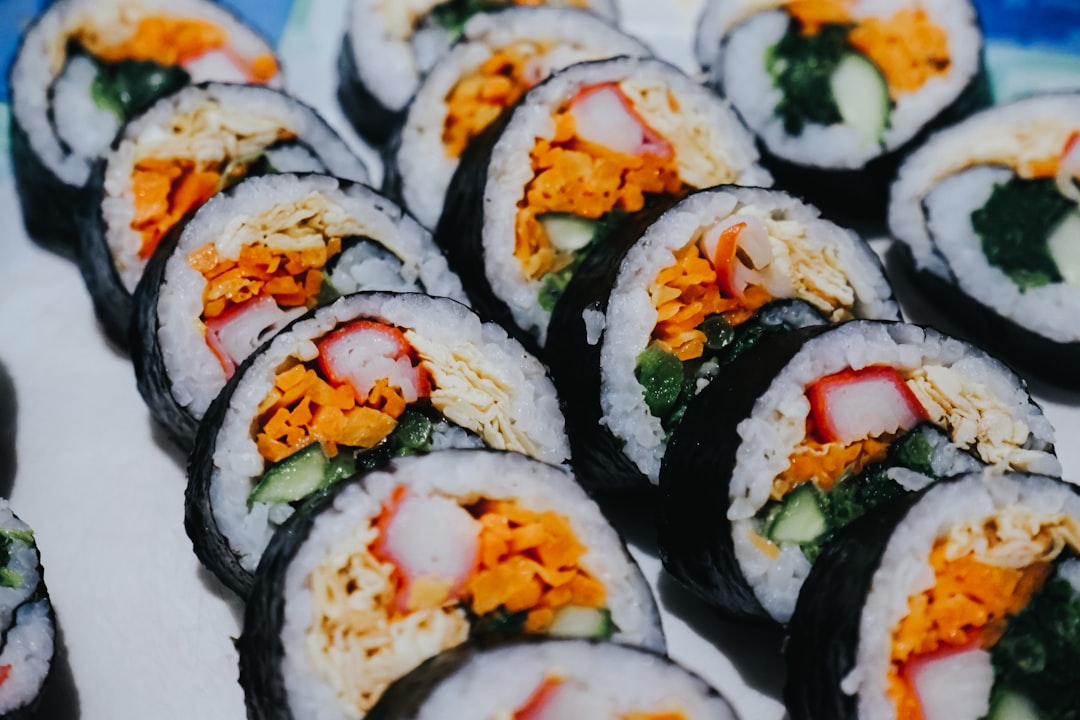
More recipes you can make
More dishes that use these ingredients, from a large public recipe collection. Ingredients and nutrition here; step-by-step instructions in the Custrd app.
- Global
Thousand Lost Island Dressing
Uses 2 of yours15 min57 cal - Global
Toadstool Salad
Uses 2 of yours15 min88 cal - Global
Cucumber Key Summer Lime Pie
Uses 2 of yours50 min308 cal - Global
Copenhagen Sandwich Coolers
Uses 2 of yours60 min525 cal - Global
Cucumber-Berry Smooth Shake
Uses 2 of yours14 min121 cal - Global
Fish a La Irtysh
Uses 2 of yours50 min189 cal



Have different ingredients?
Try our free ingredient finder.
Open the recipe finder →Frequently asked
How thin should I slice cucumber for potato salad?
Paper-thin, and salted. Thin slices give up their water quickly when salted, which is exactly what you want before they meet mayonnaise. Give them ten minutes, squeeze gently in a towel, and they will stay crisp in the salad instead of thinning the dressing.
Runny yolk or hard-boiled, which suits this pair?
Runny for hot rice bowls, hard-boiled for cold salads. In bibimbap the yolk works as a sauce and needs to flow when you stir. In a potato or egg salad you want the yolk set so it crumbles and adds body rather than making the whole thing slippery.
Do I need to salt cucumber for a rice bowl too?
Not usually. In bibimbap and kimbap the cucumber is cut into batons and eaten immediately, so there is no time for it to leak. Salting is only necessary when the cucumber will sit in a dressing or sauce — mayonnaise, yogurt, or anything you want to stay thick.
Related
Want 15+ more meal ideas from your ingredients?
Custrd finds dozens of recipes from a single fridge photo, with smart filters for diet, time, and macros.
Try Custrd free for 7 days