What Can I Make with Cucumber and Lettuce?
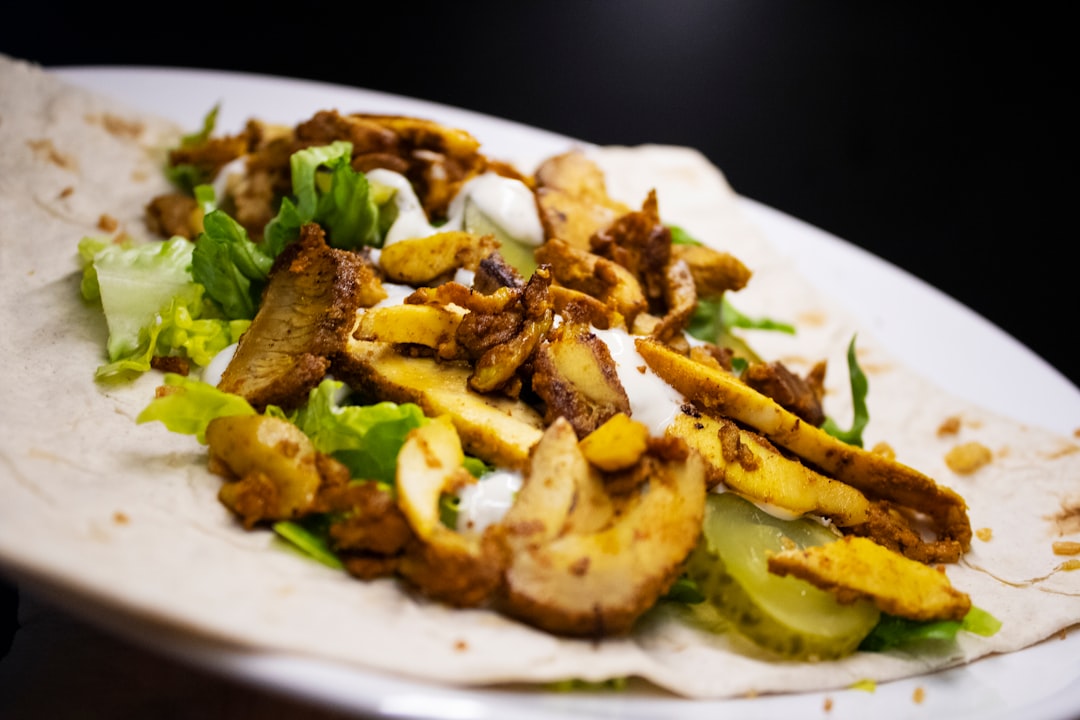
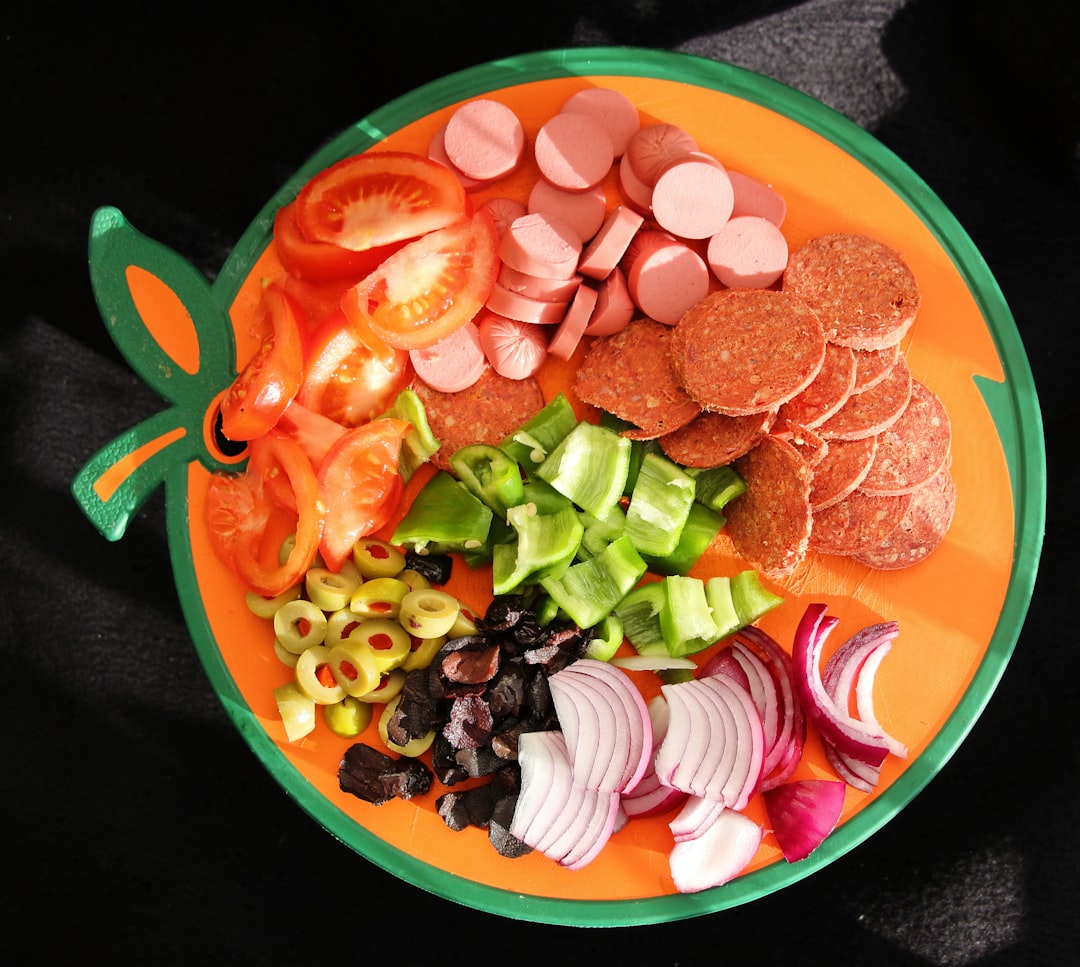
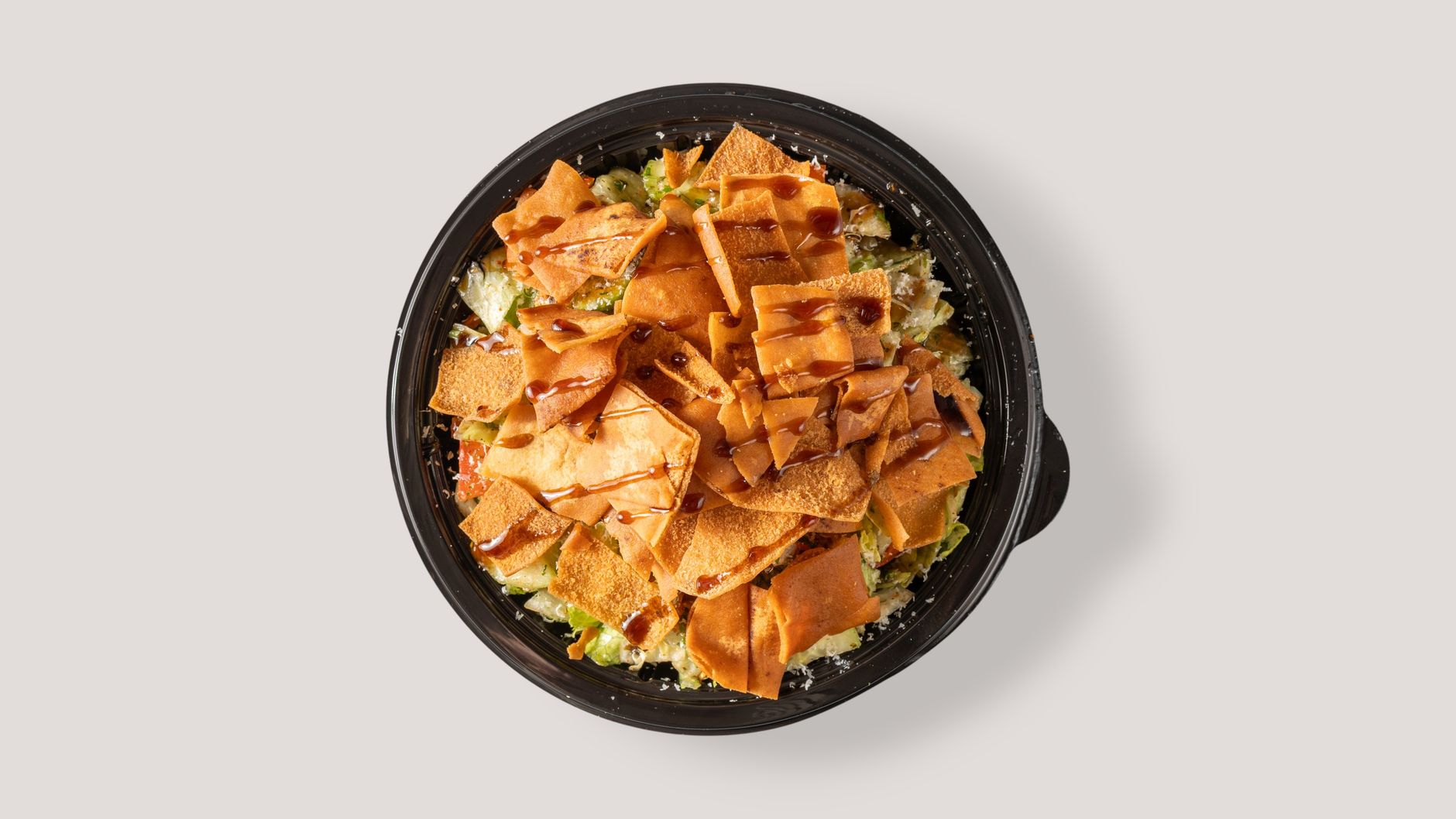
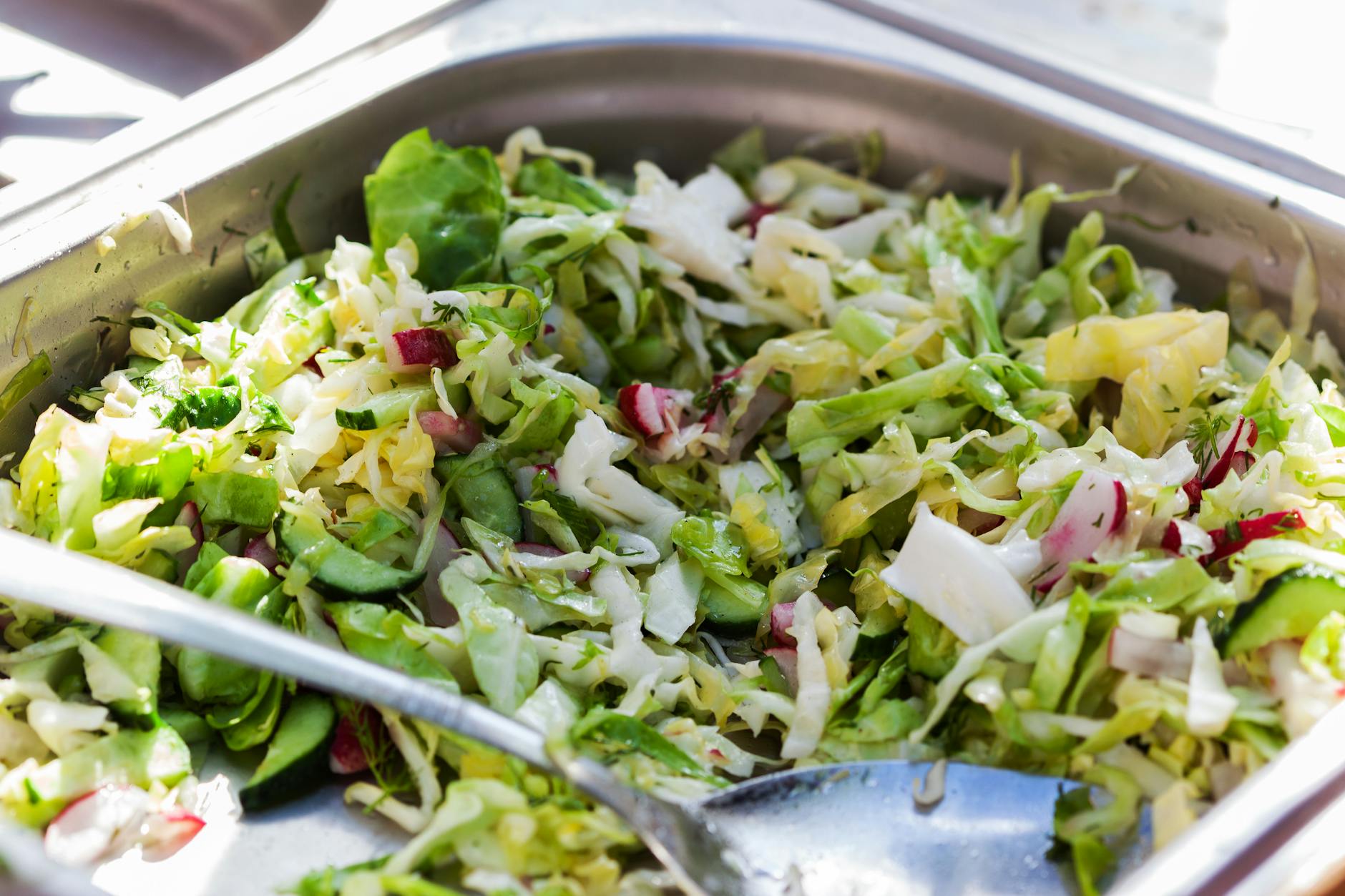
Cucumber and lettuce need a third element before they become dinner, and fattoush is the classic answer. The strongest match is Lebanese Fattoush, and Custrd also matched green goddess chopped salad, chopped Italian salad, crispy halloumi fattoush and chicken shawarma fattoush. Six tested recipes.
 Top recipe
Lebanese Fattoush
A crisp, tangy salad with toasted pita, fresh vegetables, and a lemony sumac dressing. Ready in minutes, perfect for a light lunch or side.
Ingredients
- •pita bread
- •romaine lettuce
- •cucumber
- •tomato
- •radishes
- •sumac
Steps
- 1"Preheat oven to 400°F. Cut 2 pita breads into bite-size pieces, toss with 1 tbsp olive oil and a pinch of salt, spread on a baking sheet. Bake until golden and crisp, about 8 minutes."
- 2"In a large bowl, combine 4 cups chopped romaine, 1 diced cucumber, 2 diced tomatoes, and 4 thinly sliced radishes."
- 3"In a small bowl, whisk 3 tbsp olive oil, 2 tbsp lemon juice, 1 tsp sumac, and a pinch of salt and pepper."
- 4"Pour the dressing over the salad and toss well. Add the toasted pita pieces and toss again."
- 5"Sprinkle with remaining 1 tsp sumac and fresh mint leaves if you have them. Serve immediately."
Why this works
Cucumber and lettuce are the two most watery things in most salad bowls, and on their own they make something refreshing but not food. Between them they contribute almost no fat, no protein, no starch and very little flavour. Every worthwhile dish built on them adds at least three of those, which is why the classics in this family are so consistent about what they include.
Fattoush is the best-designed example. It takes the two watery vegetables and adds fried or toasted pita for starch and crunch, olive oil for fat, lemon and sumac for a double dose of acid, and a heavy hand with herbs for aroma. The pita is doing something specific: it stays crisp for a while, then slowly absorbs dressing and softens, so the texture of the salad changes as you eat it. That is a feature, and it is why the bread goes in at the last minute rather than being tossed through in advance.
The two vegetables also crunch differently, which is worth exploiting. Lettuce gives a light, brittle crunch that collapses immediately; cucumber gives a denser, wetter snap that lasts. Cutting the cucumber into thick half-moons rather than thin slices keeps that difference obvious.
Dilution is the constant risk. Both ingredients leak water as soon as salt hits them, and a dressing that was well balanced in the bowl will be thin and weak five minutes later. Dress at the table, and make the dressing slightly sharper and saltier than seems right on its own.
Custrd matches your cucumber and lettuce against tested recipes and shows what else each one needs.
More you can make
Tap any of these to open them in Custrd — try it free for 7 days.

More recipes you can make
More dishes that use these ingredients, from a large public recipe collection. Ingredients and nutrition here; step-by-step instructions in the Custrd app.
- Global
Cucumber Iceberg Salad
Uses 2 of yours5 min105 cal - Global
Sushi for Sissies
Uses 2 of yours11 min72 cal - Global
Parsley & Lime Salad
Uses 2 of yours5 min64 cal - Global
Four Ingredient Salad
Uses 2 of yours25 min160 cal - Global
Cucumber Melon Salad With Raspberry Vinegar
Uses 2 of yours70 min51 cal - Global
Cucumber Lettuce and Cheese Sandwich
Uses 2 of yours5 min203 cal
Have different ingredients?
Try our free ingredient finder.
Open the recipe finder →Frequently asked
How do I stop a cucumber salad turning watery?
Dress it at the last moment and cut the cucumber thick. Salt in the dressing starts pulling water out immediately, and thin slices have far more surface area to leak from. For a salad you need to make ahead, salt and drain the cucumber first, then dress just before serving.
What turns lettuce and cucumber into an actual meal?
Fat, salt, acid and something substantial. Olive oil and a sharp dressing are the minimum; then add a starch like fried pita, or a protein like halloumi, chicken or chickpeas. Without those you have a side dish. Fattoush and chopped salads are essentially formulas for doing exactly this.
When should the pita go into a fattoush?
At the very last moment, and toasted or fried until properly crisp. Added early it turns to mush in the dressing. Added late it stays crunchy for the first few minutes and then softens gradually as it soaks up lemon and oil, which is the texture the dish is built around.
Related
Want 15+ more meal ideas from your ingredients?
Custrd finds dozens of recipes from a single fridge photo, with smart filters for diet, time, and macros.
Try Custrd free for 7 days